Entertainment news and discussion on TalkFuse.
From top-down crime capers to online open-world heists, GTA has defined play freedom across gaming generations
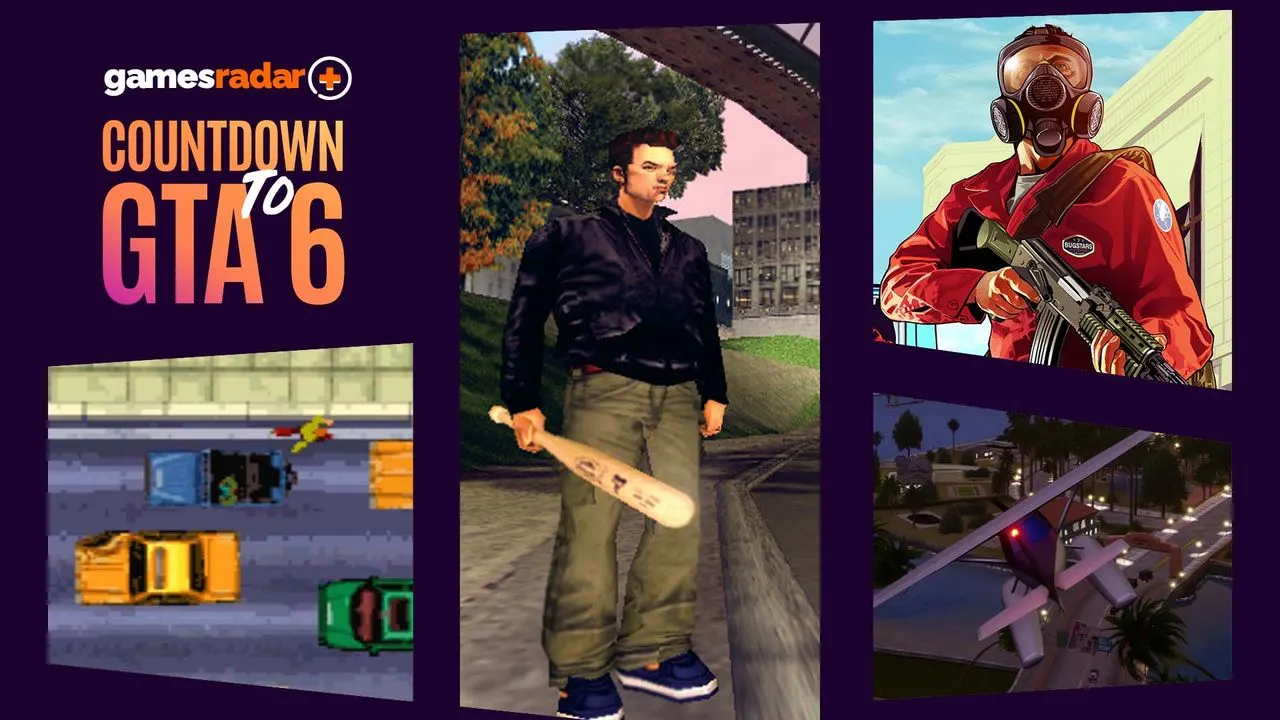
The article traces how Grand Theft Auto has evolved from a top-down crime game into a major open-world series, arguing that its enduring influence comes from the freedom it gives players to explore, experiment and create their own experiences. It presents GTA as a defining franchise across several gaming generations, with its design shaping expectations for open-world games.
The series’ development is framed as a move from early crime capers to large-scale, online-enabled heists and shared worlds. Its significance lies not only in its commercial success, but in how it has combined mission-based storytelling with unscripted player activity, making freedom of play central to its identity.
In short
- GTA evolved from top-down action into a landmark open-world series.
- Player freedom is presented as the franchise’s defining feature.
- Its influence spans multiple gaming generations.
Explained simply
Grand Theft Auto, known as GTA, is a video game series first released in 1997 by the British-based developer Rockstar Games. It began as a simple game viewed from above, in which players took the role of a criminal navigating a city, and has since grown into one of the best-selling and most talked-about entertainment franchises in the world, spanning several console generations.
The series is built around open-world design, meaning players are given a large, detailed virtual city to explore freely rather than following a fixed path. Alongside scripted missions and storylines, players can choose their own activities, and later instalments added an online mode allowing many players to interact, cooperate or compete within the same shared world, including in multiplayer heist missions.
GTA matters to the wider games industry because its approach to player freedom has influenced how many other open-world games are designed, and its commercial performance has made it a significant part of the modern entertainment business. It has also long been a subject of public debate over its depiction of crime and violence, though this article focuses on its design history and influence rather than that debate.