Entertainment news and discussion on TalkFuse.
Funny that, Microsoft no longer recommends 32GB RAM for gaming laptops
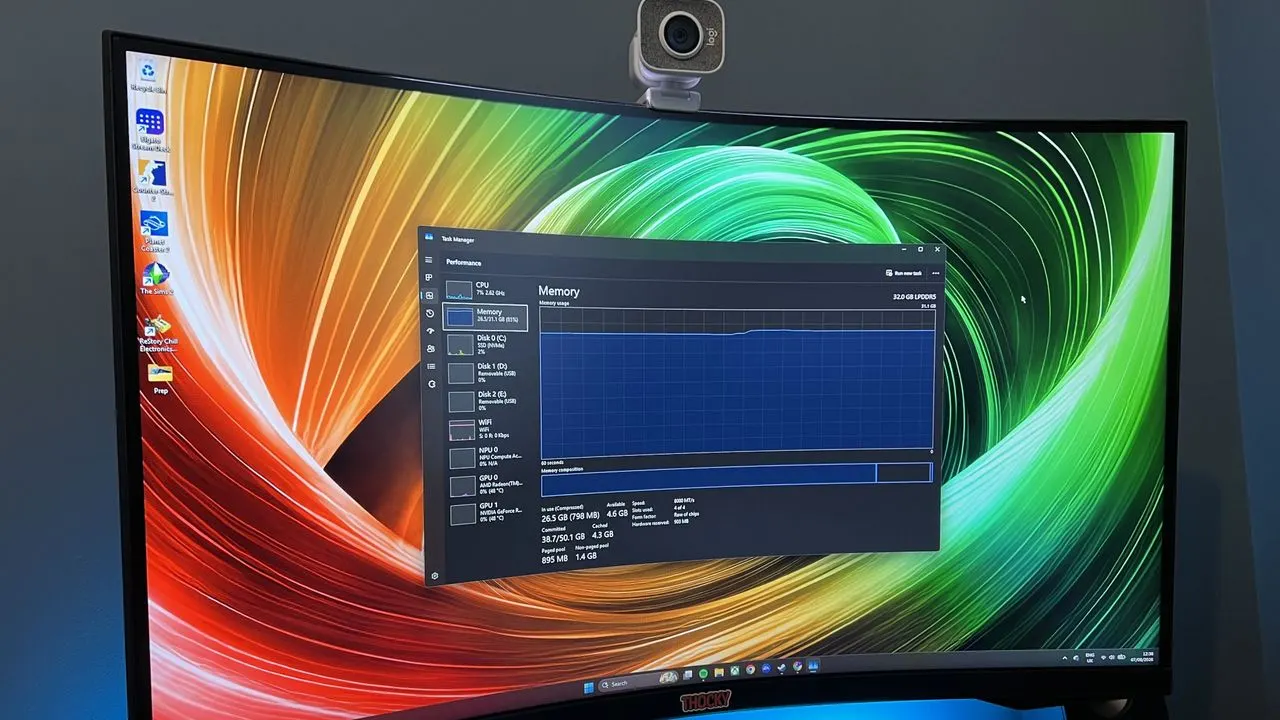
Microsoft has reportedly removed its recommendation of 32GB of RAM for gaming laptops, revising guidance that had previously suggested higher memory capacity was desirable. The change matters because Microsoft’s recommendations can influence buyers’ expectations and manufacturers’ marketing, although the article suggests the shift may reflect positioning rather than a major change in gaming requirements.
The updated advice appears to favour lower-capacity configurations, despite modern games and multitasking increasingly benefiting from 32GB of RAM. The article questions the timing of the revision, implying it is notable given Microsoft’s earlier endorsement of 32GB for gaming laptops.
In short
- Microsoft has dropped its 32GB gaming-laptop RAM recommendation.
- The change contrasts with earlier guidance.
- Modern gaming can still benefit from 32GB.
Steelman: both sides, in good faith
The strongest fair case each way — we don't pick a winner.
The case for
Microsoft's adjustment reflects a reasonable reassessment of actual gaming performance requirements. Most contemporary games function adequately on 16GB of RAM, and recommending 32GB for all users creates an unnecessary barrier to entry and inflates pricing for consumers who don't require it. The revision aligns guidance with genuine technical needs rather than over-specification.
The case against
Modern games increasingly benefit from 32GB RAM, particularly when multitasking, and a laptop purchase represents a long-term investment deserving of future-proofing. The timing of Microsoft's revision appears driven by marketing positioning to legitimise lower-cost configurations rather than by any fundamental change in gaming requirements, particularly given its earlier 32GB endorsement reflected genuine technical realities that remain valid.
Explained simply
RAM is a computer’s short-term working memory: games use it to keep data readily available while they run. Gaming laptops also use RAM for other tasks, such as running a browser or chat app alongside a game.
Microsoft makes Windows, the operating system used by many gaming laptops, and its guidance can shape what buyers expect and how manufacturers describe their machines. The amount of RAM a player needs depends on the games and other applications they use, so recommendations can affect purchasing decisions without setting a universal requirement.
Entertainment Gadgets Gaming Technology