Politics news and discussion on TalkFuse.
Iran’s UN committee election sparks row over UK’s earlier approval of its candidacy
Iran was elected to the UN Committee for Programme and Coordination in a secret ballot, prompting criticism from several Western governments and a political row in the UK. The committee reviews UN programmes, including work connected with human rights, women’s rights and counterterrorism, making its membership politically significant.
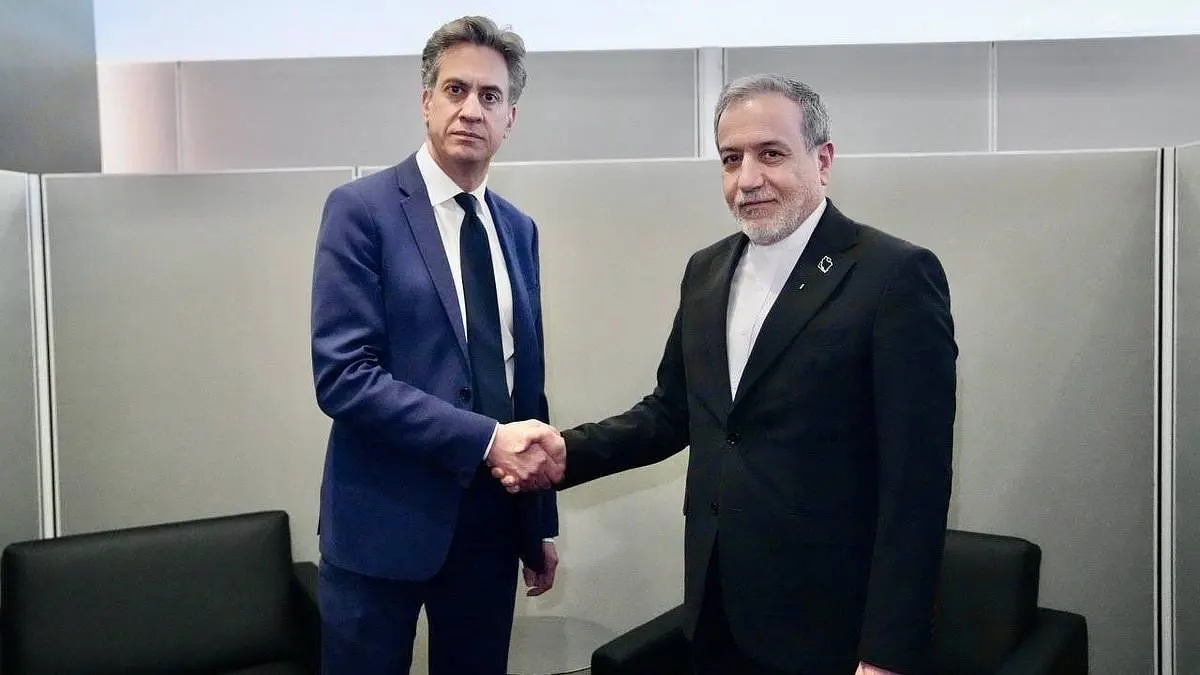
The UK had previously been among countries that approved Iran as a candidate, but ministers say the nomination came through an Asia-Pacific regional agreement and was not an expression of British support. Australia and Canada said they opposed Iran’s appointment and voted against it, citing its human rights record and regional conduct. The dispute has also revived scrutiny of Foreign Secretary Ed Miliband’s September handshake with Iran’s foreign minister, Abbas Araghchi; the Government said he used their meeting to raise British concerns and keep diplomatic channels open.
In short
- Iran won a seat on a UN committee overseeing programmes.
- Australia and Canada opposed the appointment and voted against it.
- UK ministers say Iran’s regional nomination was not British backing.
Steelman: both sides, in good faith
The strongest fair case each way — we don't pick a winner.
The case for
The UK’s earlier approval can be defended as part of a regional nomination agreement rather than an endorsement of Iran’s record or policies. Supporting a candidate through that process may preserve multilateral cooperation, while Iran’s election by secret ballot was a decision by the committee’s member states, not the UK alone.
The case against
Critics can argue that approving Iran’s candidacy helped make its election possible and lent legitimacy to a government whose human rights record and regional conduct they regard as incompatible with the committee’s work. Given the committee’s responsibilities, they may say the UK should have opposed the nomination clearly, and that ministers owe a fuller account of how their earlier approval fits with their stated concerns.
Explained simply
The United Nations is made up of member states that work together on international issues. Its Committee for Programme and Coordination reviews UN programmes and helps shape priorities across areas including human rights, women’s rights and counterterrorism.
Committee seats are often allocated through regional groups, which put forward candidates from their regions. Countries then vote on appointments; agreeing to a regional nomination does not necessarily mean a government supports the candidate’s policies.
Iran’s human rights record and its role in the region have made its place on the committee contentious for some governments. The dispute also touches on how countries balance criticism of Iran with maintaining diplomatic contact.
Elections Geopolitics Government Middle East Politics UK World
Read the full article at the source →
Originally published by Daily Mail as “Fury as UK ‘nominates Iran’ to key UN committee overseeing counterterrorism – after Ed Miliband’s handshake with Tehran minister”.