National Trust workshop on Black Power salute draws criticism over relevance
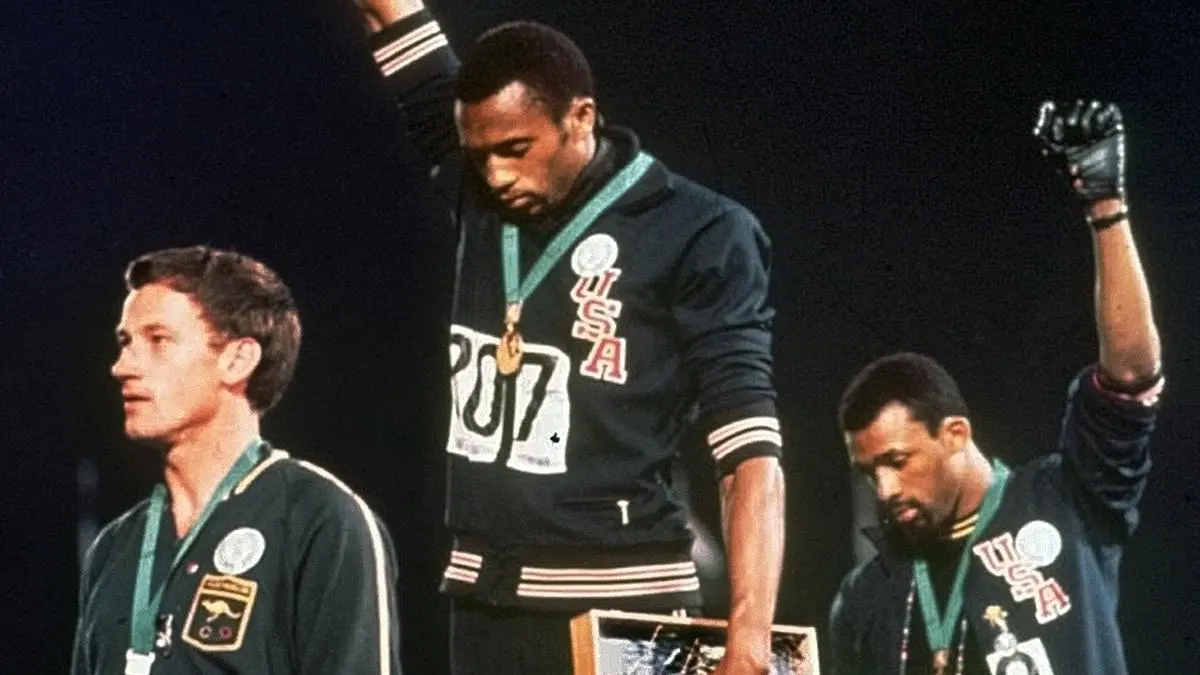
The National Trust has announced plans to teach children aged five to 12 about the 1968 Black Power salute during a Black History Month baking workshop at Morden Hall Park in south London. The initiative has prompted criticism from those who argue the topic is politically motivated and irrelevant to the specific property.
The workshop will involve children learning about Olympic sprinters Tommie Smith and John Carlos, who raised their black-gloved fists on the podium in Mexico City to protest systemic racism and segregation in the US, before making and baking "Olympic Gold Cookies". Critics including campaign group Restore Trust and historian Andrew Roberts have questioned the relevance and branded the initiative "pathetic", whilst the National Trust maintains it provides opportunities for people to explore the events and ideas that have shaped history.
- National Trust planning Black Power salute history lesson during children's baking workshop
- Critics argue the topic is politically motivated and irrelevant to Morden Hall Park
- Trust defends teaching about significant moments that shaped modern history
New here? Start with this
In 1968, American Olympic sprinters Tommie Smith and John Carlos raised their black-gloved fists on the medal podium at the Summer Olympics in Mexico City to protest racial discrimination and segregation affecting Black Americans. This gesture became one of the most iconic moments in sports history and remains significant when discussing civil rights and political activism.
The National Trust, the UK heritage charity that manages historical properties and collections, has organised a workshop for young children at Morden Hall Park in south London that teaches them about this historic protest during Black History Month. Children learn about Smith and Carlos whilst making and decorating Olympic Gold Cookies as part of the session.
Some critics, including the campaign group Restore Trust and historian Andrew Roberts, have questioned whether the topic is relevant to a baking workshop at a specific heritage property and have suggested the focus is unnecessarily political. The National Trust has defended the initiative, arguing that such activities help people understand the significant historical events and ideas that have shaped society.
Both sides, in good faith
The strongest fair case each way — we don't pick a winner.
The case for
Supporters argue that the Black Power salute represents a pivotal moment in civil rights history when Olympic athletes protested systemic racism, making it genuinely significant historical content worthy of teaching children. They contend that Black History Month programmes should explore important events that shaped modern society, and that a fun, age-appropriate activity like baking provides an engaging educational approach for young people to learn about important historical figures and moments.
The case against
Critics question the relevance of a 1968 American Olympic moment to a specific English heritage site, arguing that the National Trust should prioritise teaching local history rather than introducing broad political narratives. They suggest that framing a controversial salute as educational content may represent activism rather than balanced historical exploration, and that such content risks feeling forced or didactic when attached to children's craft activities at a family heritage attraction.
Art Culture Entertainment Geopolitics Politics TV World
Read the full article at the source →
Originally published by Daily Mail as “Fury over National Trust’s ‘ultra-woke’ plans to teach children aged 5 about Black Power… in cookie baking workshops”.