‘Game Of Thrones: The Mad King’: What The Critics Are Saying About Ambitious Stage Adaptation Following Cancellations; See Production Images
Developed over time first seen 2 months ago
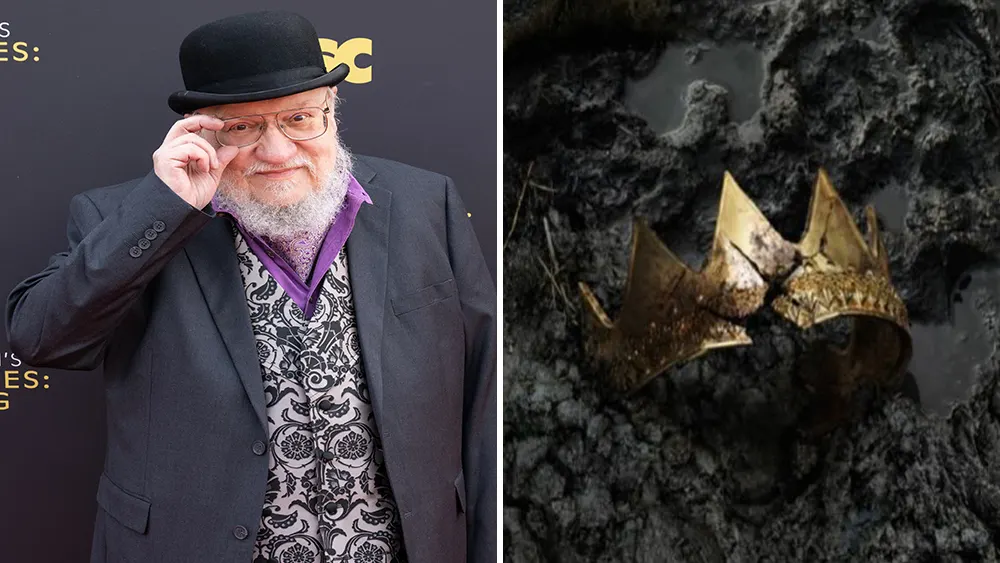
The Royal Shakespeare Company's stage adaptation of George R.R. Martin's Game of Thrones prequel, The Mad King, has concluded its critical reception process, with reviews largely praising the ambitious Stratford-upon-Avon production despite a rocky start caused by early performance cancellations. The show, directed by Dominic Cooke and led by a 35-strong ensemble cast, drew widespread acclaim for its spectacle and stagecraft, cementing its place as a high-profile, sold-out theatrical extension of the Game of Thrones franchise.
Whatsonstage awarded it a full five stars, calling it "a triumph," while The Guardian, Metro and The Independent each gave 4/5 stars, praising its battles, dragons and emotional depth. The Daily Mail and The Telegraph were also broadly positive but flagged its lengthy near-four-hour runtime and dense plotting, and The Telegraph noted it lacked the TV series' grit and nudity. The Times was among the few dissenting voices, arguing the play fails to capture the "grim aura" of the television original despite appealing to fans hunting for franchise Easter eggs.
- RSC's Game of Thrones stage prequel The Mad King earns mostly glowing reviews.
- Whatsonstage gave five stars; Guardian, Metro, Independent gave four.
- Critics praised spectacle but flagged its near four-hour running time.
New here? Start with this
The RSC's production draws on George R. R. Martin's Targaryen-dynasty history "Fire & Blood" rather than the original Game of Thrones novels or HBO series, focusing on a monarch whose cruelty and paranoia later became legend within that fictional world. Adapting the sprawling source material for the stage, with its dragons, battles and large cast, was always going to be a technical and dramatic challenge for a theatre company more usually associated with Shakespeare.
The production hit trouble before it even opened properly, with several preview performances called off, leaving early ticket-holders without a show and raising questions about whether the staging was ready. Despite that rocky start, it has gone on to sell out its run in Stratford-upon-Avon, suggesting strong public demand regardless of the early setbacks.
The story matters because it tests whether a franchise built around a hit television series can be translated convincingly to a live stage setting, and whether a major British theatre institution can pull off a production of this scale. Critical reaction so far offers an early verdict on that question, weighing the show's visual ambition against its length and complexity.