Entertainment news and discussion on TalkFuse.
GameStop boss calls for return of physical discs just as GTA 6 does digital gangbusters
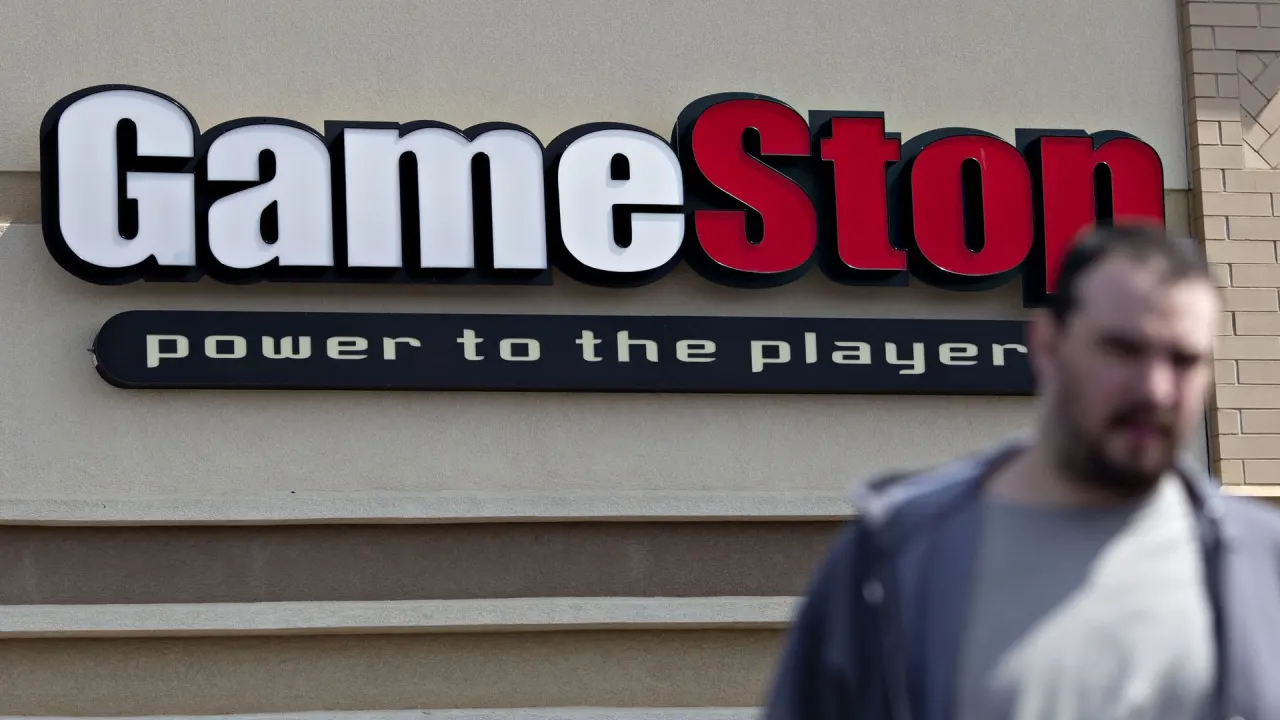
GameStop chief executive Ryan Cohen has called for physical game discs to return, arguing that digital-only sales reduce players’ control over games they have bought. The debate has gained attention as Grand Theft Auto 6 launches as a digital-only release, while the shift away from discs threatens GameStop’s used-game trade-in business.
Cohen said players should be able to sell, trade or lend their games, and accused publishers of limiting competition by restricting sales to digital channels. Sony has said PlayStation will stop offering physical discs from January 2028, despite player objections. In the US, lawmaker Richie Torres has proposed legislation asking the Federal Trade Commission to protect access to purchased games, including online-only titles that are shut down.
In short
- Cohen says players should be able to resell or lend games.
- GTA 6’s digital-only launch spotlights the shift away from discs.
- US legislation has been proposed to protect access to purchased games.
Steelman: both sides, in good faith
The strongest fair case each way — we don't pick a winner.
The case for
Physical discs can give players more practical control over games: they can lend or resell them, keep a copy and use second-hand markets. Supporters argue that digital-only distribution can tie access to a publisher’s platform or continued online services, while limiting competition and consumer choice; rules protecting access could help preserve games after services close.
The case against
Digital distribution is convenient, avoids physical manufacturing and shipping, and can make games easier to access and update. Publishers may also argue that controlling distribution helps manage security, licensing and ongoing online services, while mandates to preserve access to games could impose costs or constrain how they design and support products.
Explained simply
GameStop is a US retailer known for selling video games and consoles, including second-hand games. Its trade-in business lets customers exchange games they own for cash or credit, so sales shifting from discs to digital downloads affect how the company operates.
A physical disc can usually be resold, traded or lent, while a digital purchase is tied to an online account and may depend on a publisher’s services. Publishers and console makers control how games are sold and accessed, and some games require an internet connection even when players have paid for them.
The debate is about what rights buyers should have and how long they should be able to access a game. It also raises questions about competition between retailers and publishers, and what happens to games when online services end.