Gary, Indiana can’t blame racism for every failure exposed by its catastrophic blackout
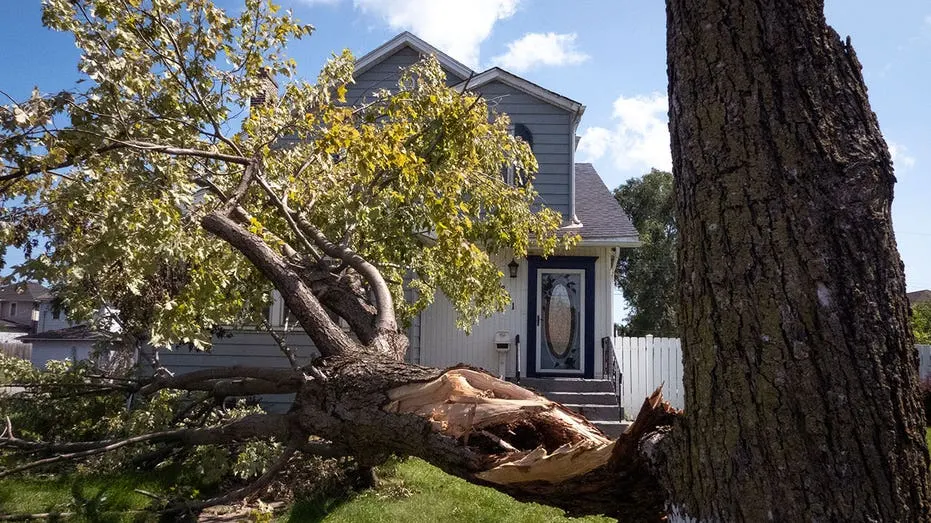
A derecho hit Gary, Indiana on 11 August 2026, bringing straight-line winds of up to 99 mph and knocking out power to more than 20,000 NIPSCO customers, with thousands left without electricity for nearly two weeks. In this opinion piece, activist Corey Brooks argues that while the storm exposed genuine hardship in the struggling former steel city, some residents' claims that the prolonged outage was due to racism are misguided, and he instead highlights community and volunteer relief efforts as the real response to the crisis.
Fallen trees toppled power lines and snapped poles across Gary, a city whose population has fallen from over 80,000 in 2010 to roughly 67,289 in 2025. Without power, residents faced sweltering heat, spoiled food, stolen generators and disrupted medical equipment, while businesses shut down; NIPSCO says it has since restored power to 99% of affected customers, though some homes still await private repairs before reconnection. The author's organisation, Project H.O.O.D., along with churches and other nonprofits, delivered food and essentials to residents during the outage.
In short
- Derecho winds up to 99 mph knocked out power across Gary, Indiana on 11 August.
- Over 20,000 customers lost power; some waited nearly two weeks for restoration.
- Author disputes claims that racism, rather than storm damage, caused the delay.
Steelman: both sides, in good faith
The strongest fair case each way — we don't pick a winner.
The case for
The blackout followed an unusually severe storm that damaged lines and poles across the area, so the length of the outage may reflect the scale and practical difficulty of repairs rather than discriminatory treatment. The hardship was real, but pointing to volunteers, churches and nonprofits shows how residents and local organisations helped meet urgent needs while the utility restored service.
The case against
A storm can explain why power failed without fully explaining why some communities waited longer for it to return. Given Gary’s long-running economic decline and residents’ acute dependence on electricity for cooling and medical equipment, it is reasonable to ask whether infrastructure investment, repair priorities or emergency support left the city especially exposed; community relief does not settle those questions.
Explained simply
Gary is a city in north-west Indiana whose population has fallen since 2010, following decades of decline in its steel industry. Its electricity is supplied by NIPSCO, a utility serving customers across northern Indiana. A derecho is a widespread storm with powerful straight-line winds, which can bring down trees, power lines and poles across a large area.
The outage left many residents without cooling, safe food or reliable power for medical equipment, while businesses also had to close. The opinion piece centres on a dispute over how to explain these effects: some residents have linked the slow recovery to racism, while activist Corey Brooks argues that the storm’s damage and the city’s difficulties should be considered separately. Project H.O.O.D., churches and other nonprofits provided food and other essentials during the disruption.