Video games news, releases, esports and culture — all the biggest gaming stories in one place.
Gary Larson’s 10 Best The Far Side Comics, Ranked
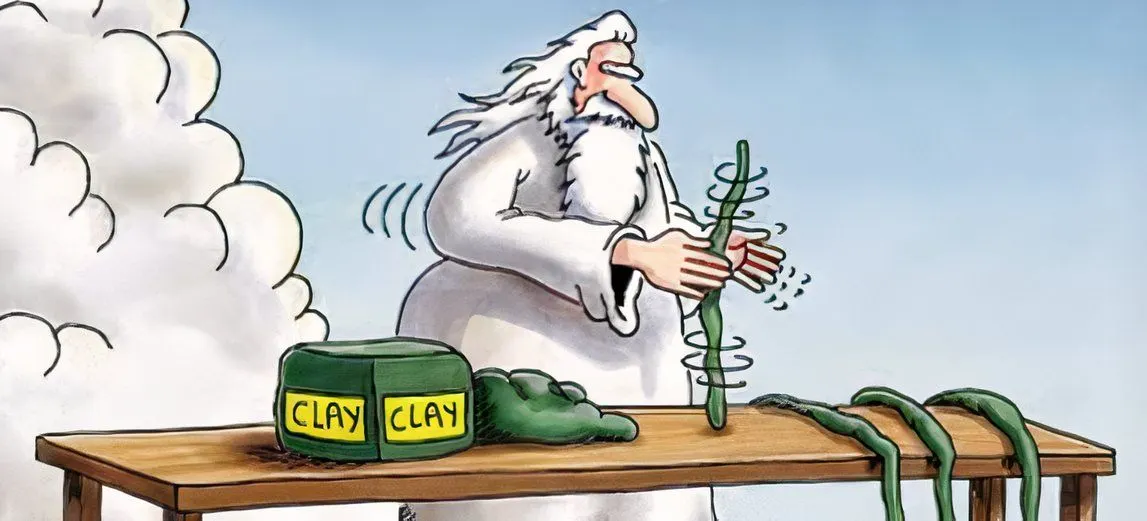
This Polygon opinion piece ranks Gary Larson's ten best The Far Side comic strips, arguing that greatness in a single-panel gag strip should be judged purely on the wit and craft of the joke itself, rather than on cultural impact or emotional depth. The author contrasts The Far Side with strips like Peanuts or Calvin and Hobbes, noting that Larson never relied on recurring characters or profound messages, but instead aimed to make the sharpest possible joke each day, sometimes rewarding readers who look closely for hidden details.
The piece highlights several entries from the ranking to illustrate different comedic techniques Larson used, rather than listing all ten in the excerpt provided.
– A cubicle-based joke that only lands once the reader spots the right detail – A "sketchy"-looking-characters strip that breaks the fourth wall by using deliberately crude art – A bowling-pin murder scene mocking oblivious detectives surrounded by obvious clues – A Pinocchio strip subverting the character's usual wish to become a real boy – A parody of "hidden image" puzzle panels, hiding 127 appliances in a forest scene
In short
- Polygon ranks Gary Larson's ten funniest Far Side comic strips.
- Greatness judged by joke quality, not deep meaning or fame.
- Highlights include cubicle, bowling-pin and hidden-appliance gags.
Explained simply
Cartoonist Gary Larson spent 15 years drawing The Far Side, a single-panel newspaper comic strip known for its absurdist humour, offbeat animals and dark, surreal punchlines. Unlike long-running strips such as Peanuts or Calvin and Hobbes, it had no ongoing characters or storylines, relying instead on a fresh, self-contained joke each day, which is why fans and critics often argue over which individual strips count as his best work.
This piece is a ranked list from the entertainment site Polygon, picking out ten strips its author considers Larson's finest and explaining what makes each joke work, from visual sight-gags to parodies of other comic formats. It reflects one writer's personal opinion rather than any official or definitive ranking.