Gary Lineker criticises Suella Braverman for saying she is not an ‘English person’ as he claims her comments aimed to ‘divide and rule’
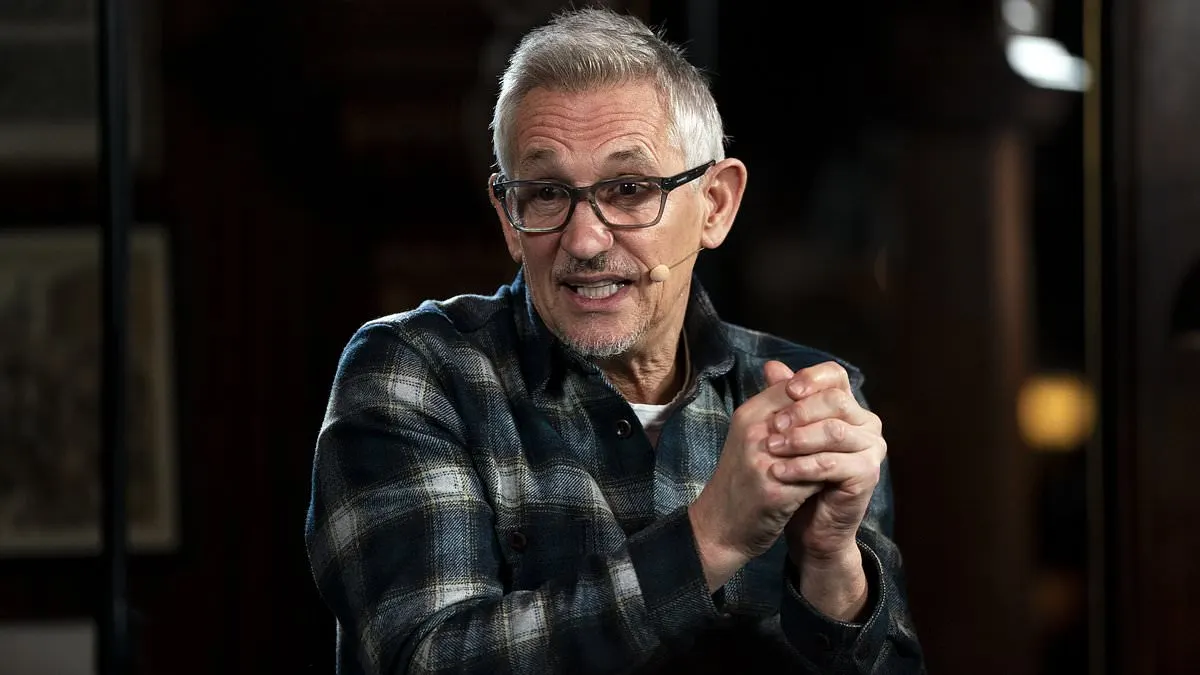
Gary Lineker criticised Suella Braverman after she said she considered herself British of Asian ethnicity rather than English, despite being born in London. He argued that linking English identity to skin colour risks dividing people and said such comments were worth challenging.
Braverman, Reform UK’s education spokesperson and a former Conservative home secretary, explained that her parents had immigrated to Britain. Lineker drew a comparison with Germany manager Jürgen Klopp, who dismissed questions about whether his team were “German enough” or “white enough”, and praised football dressing rooms for bringing people of different backgrounds together.
- Lineker challenged Braverman’s view of English identity.
- Braverman said she was British of Asian ethnicity.
- Lineker said such remarks risk dividing people.
New here? Start with this
Gary Lineker was a famous England footballer and is now a television sports broadcaster and commentator with millions of viewers. Suella Braverman was a Conservative home secretary and is now Reform UK's education spokesperson. Both are prominent public figures whose views receive widespread attention.
The debate between them concerns English identity and who can claim to be English—specifically whether someone counts as English if they have a different ethnic background or if their parents were immigrants. The disagreement reflects a much larger conversation in Britain about what Englishness means and who belongs as a full member of the nation.
These conversations matter because they affect how people understand their identity and place in society. In a diverse country, how we think about Englishness—and what role ethnicity should play in national identity—influences who feels welcomed and included. When prominent figures contribute to this debate, they can shape how millions of people think about belonging and inclusion.
Both sides, in good faith
The strongest fair case each way — we don't pick a winner.
The case for
The distinction between British citizenship and English cultural or ethnic heritage is meaningful and legitimate, particularly for people with immigrant parents navigating dual identities. Braverman's choice to emphasise her Asian heritage alongside British citizenship honestly reflects her lived experience and family roots. Forcing everyone born in Britain to claim unconditional English identity, regardless of their actual heritage connection, can itself be a form of erasure. People should have the freedom to define their own identities without being publicly challenged for doing so.
The case against
When someone born in England declines the English label, they validate the exclusionary premise that Englishness is tied to ethnic or ancestral credentials rather than citizenship. The truly inclusive approach is to expand what English identity means to encompass all those born here, not to accept separate categories based on heritage. Lineker's concern is that accepting this distinction reinforces the gatekeeping narrative—that some citizens born in England cannot be fully English—which contradicts the unity that comes from shared civic belonging regardless of background.