World news and discussion on TalkFuse.
Gas prices fall below $4-a-gallon ahead of Thanksiving — as oil continues to flow from Persian Gulf
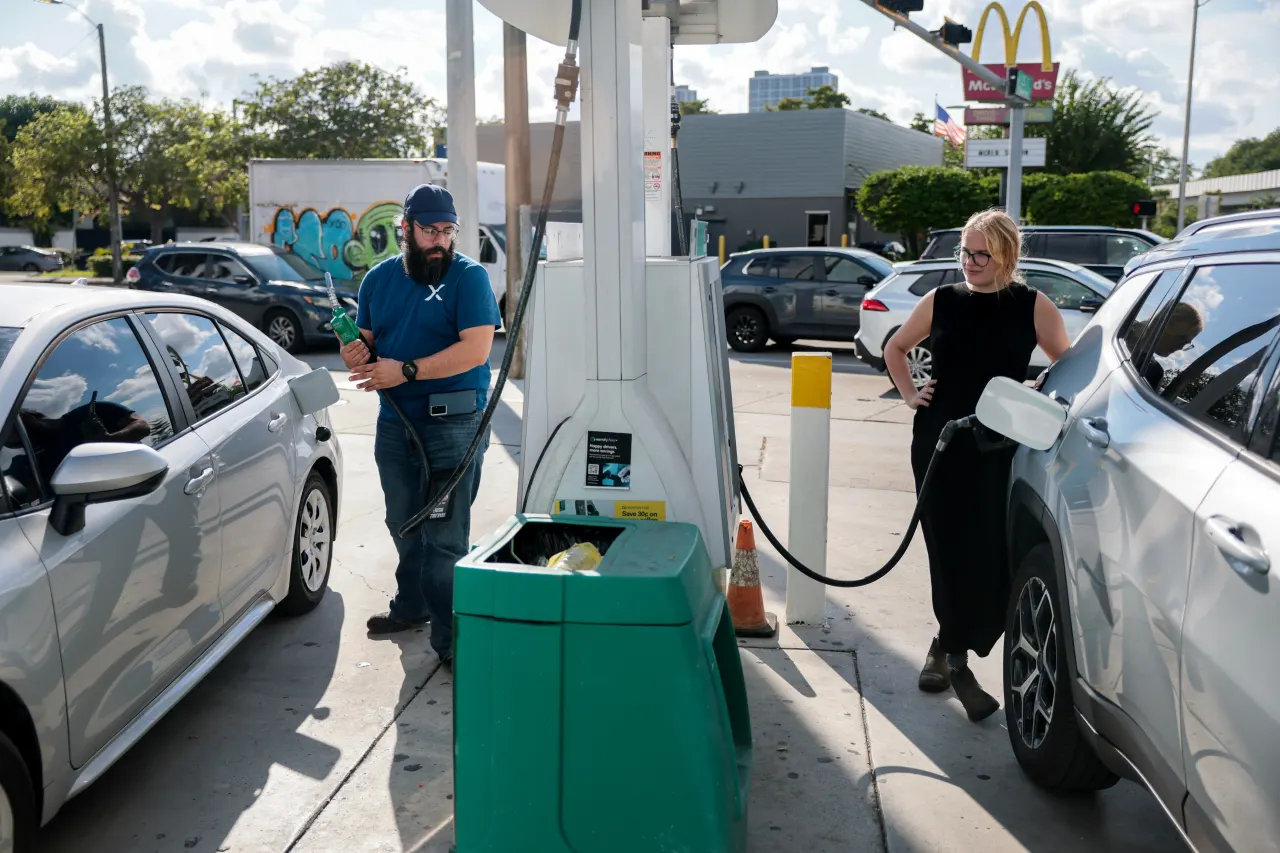
US petrol prices have fallen below $4 a gallon for the first time since July, easing costs for motorists ahead of Thanksgiving. The decline reflects expectations of ample global oil supplies, although attacks near the Strait of Hormuz and tensions with Iran continue to pose risks to energy shipments.
AAA puts the US average at $3.75 a gallon, 80 cents below last month but still 75 cents above a year ago; diesel averages $5.95, compared with $3.77 a year ago. The International Energy Agency forecasts a fourth-quarter oil surplus of 105 million barrels a day, while about 8.5 million barrels a day passed through the strait under US protection in October. Tanker attacks and a 40% fall since August in empty tankers transiting the strait raise concerns about whether enough ships are available to carry oil out of the region.
In short
- US petrol averages $3.75 a gallon ahead of Thanksgiving.
- Expected supply growth has eased oil prices.
- Tanker attacks and shortages could disrupt exports.
Steelman: both sides, in good faith
The strongest fair case each way — we don't pick a winner.
The case for
Falling petrol prices offer timely relief to households travelling for Thanksgiving and may reflect expectations that global oil supplies will remain ample. Supporters of this view can point to the IEA’s forecast surplus and continued oil flows through the Strait of Hormuz as reasons to expect prices to ease further.
The case against
The lower average does not mean energy costs are broadly affordable: petrol remains above its level a year ago, while diesel has risen sharply. Those concerned about supply risks argue that tanker attacks, fewer empty ships entering the Strait of Hormuz and tensions with Iran could disrupt shipments and reverse the recent price fall.
Explained simply
Oil prices depend on how much crude is available worldwide and how easily it can be moved to buyers. The Strait of Hormuz is a narrow sea passage between Iran and Oman through which a significant share of global oil shipments travels.
The US is a major oil producer, but it also buys oil in a global market, so events in the Gulf can affect prices paid by American motorists. The International Energy Agency tracks supply and demand, while tanker operators and naval forces help keep shipments moving.
Attacks on ships or tensions involving Iran can disrupt trade or make shipping riskier, even when oil supplies are plentiful. The number of tankers available also matters: oil cannot reach refineries without ships to carry it.