Culture news and discussion on TalkFuse.
Gazans holding huge weddings, bodybuilding contests and opening restaurants while protestors say they’re starving
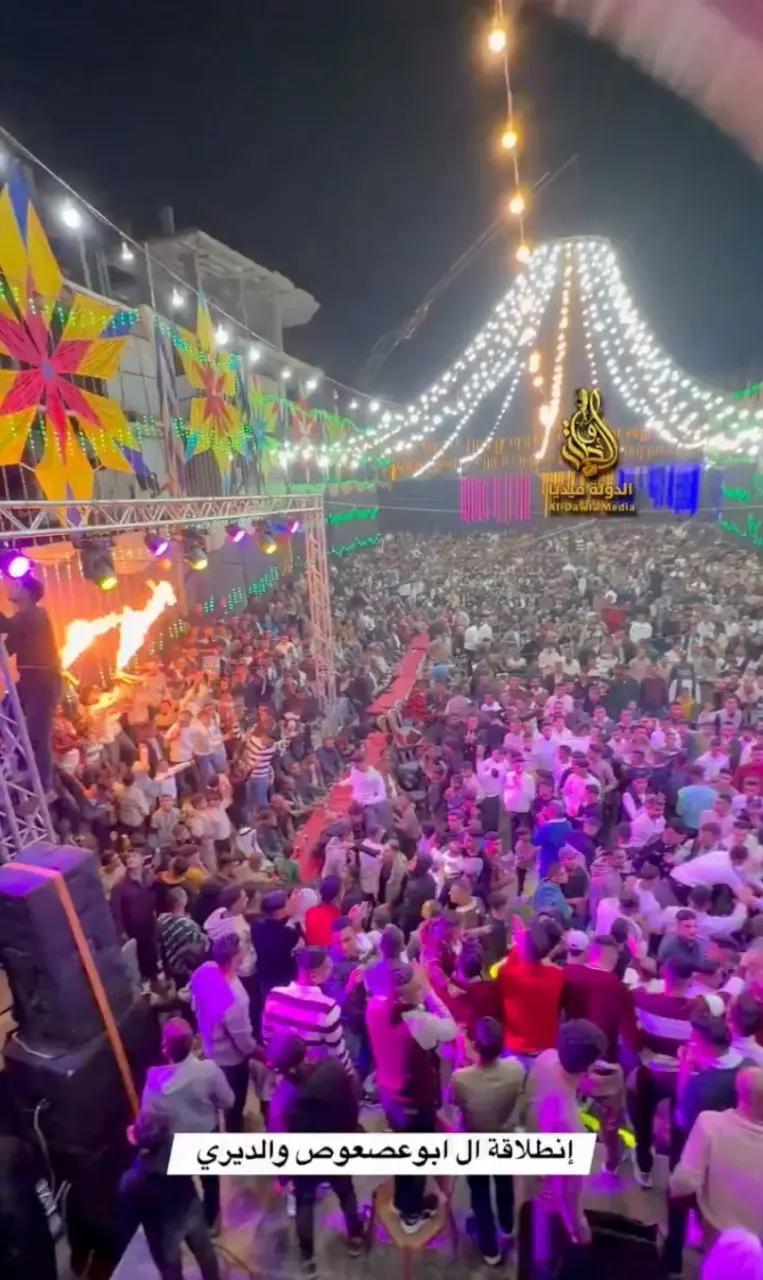
The article describes scenes of public celebrations and commerce in Gaza alongside severe damage, shortages and continuing deaths. It presents weddings, newly opened businesses, a bodybuilding contest and a high number of births as evidence of activity returning in parts of the enclave, while noting that such scenes coexist with widespread hardship.
A Gaza City wedding over the weekend featured hundreds of guests, music and coloured lights, and a restaurant in the city has been operating since March. Gaza’s Health Ministry reported 6,745 births in October, the year’s highest monthly figure. The article also cites UN estimates that 82% of structures are damaged, with two thirds completely destroyed, and reports that more than 1,400 people have been killed since the October 2025 ceasefire; it says the ministry does not distinguish between fighters and civilians. Aid has entered Gaza and famine was declared over in July, but flooding has affected more than 70,000 tents, according to reports cited in the article.
In short
- Public celebrations and businesses are visible in parts of Gaza.
- October saw 6,745 births, the highest monthly total this year.
- Extensive destruction and serious shortages continue alongside signs of activity.
Steelman: both sides, in good faith
The strongest fair case each way — we don't pick a winner.
The case for
Public weddings, businesses and other gatherings can show that people are rebuilding social and economic life where circumstances allow, and that Gazans retain agency and reasons to celebrate despite immense hardship. The return of such activity may also matter to local livelihoods and community morale; it does not mean that shortages, destruction or deaths have ended.
The case against
Visible celebrations and new businesses may give a misleading impression of recovery when most structures are damaged or destroyed and many people still face shortages, displacement and continuing deaths. Aid and the end of the famine declaration do not erase these conditions, so publicising isolated signs of normality risks obscuring how severe and widespread the hardship remains.
Explained simply
Gaza is a small, densely populated Palestinian territory on the Mediterranean coast. Its residents have lived through repeated rounds of conflict, displacement and restrictions on movement, and the latest war has caused extensive destruction and disrupted access to food, shelter, healthcare and other essentials.
Gaza’s population includes children, adults and older people living in very different circumstances across the territory. Weddings, restaurants, births and public events can continue even amid widespread hardship; such activity does not show that basic needs have been met or that conditions are safe.
The contrast matters because visible signs of daily life can sit alongside damaged homes, shortages and deaths. Understanding both helps explain why accounts of people rebuilding routines and reports of severe need can describe Gaza at the same time.