Baselitz exhibition confronts Germany’s postwar embrace of former Nazis
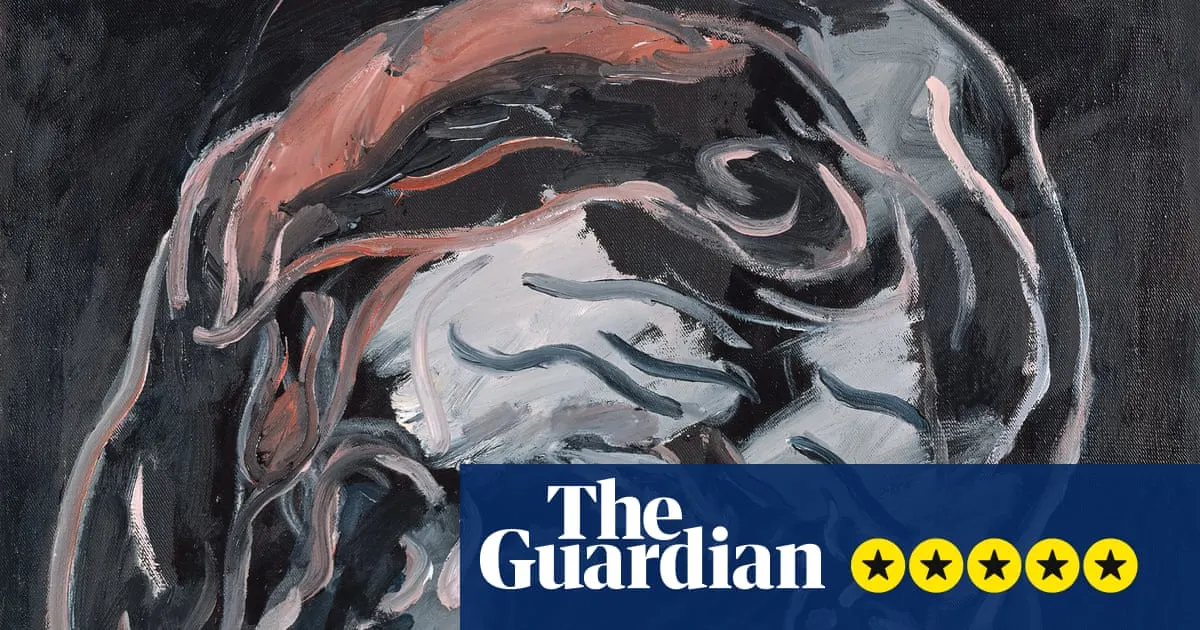
Georg Baselitz’s exhibition *The Heroes* at Thaddaeus Ropac in London presents a fierce reckoning with Germany’s Nazi past and the people who returned to positions of influence after the second world war. The review describes the paintings as grotesque and sharply ironic, conveying horror, disgust and guilt while challenging the idea of national heroes.
The series began in 1965, when many former wartime figures were leading West German banks and car companies. Its monumental, damaged figures include a soldier with a blood-red banner and an artist caught in man-traps, suggesting that both public life and German art are implicated in the past. Baselitz, born in 1938 and raised first in Nazi Germany and then communist East Germany, helped plan the London exhibition before his death this year.
- Baselitz’s *The Heroes* confronts Germany’s Nazi past.
- The paintings portray soldiers and artists as damaged, guilty figures.
- The exhibition was planned with Baselitz before his death this year.
New here? Start with this
Georg Baselitz is a German artist born in 1938 who experienced both Nazi Germany and later East Germany during his childhood. In 1965, he began a series of paintings titled The Heroes, which depicts monumental but grotesquely damaged human figures. The series addresses a difficult chapter of German history: the postwar period when many figures who had held power under the Nazi regime returned to leadership positions in West Germany's banks, companies and cultural world.
The paintings include images of a soldier bearing a blood-red banner and an artist trapped in man-traps, rendered in Baselitz's characteristic distorted style. These sharply ironic and unsettling works convey horror, disgust and guilt whilst suggesting that both German public life and the art world were implicated in the Nazi past. Baselitz created these works during the 1960s, when the reintegration of former wartime figures into German society was still actively occurring.
This exhibition at a London gallery presents Baselitz's sustained artistic examination of postwar German society. The paintings engage with a central reality of German postwar history: that the country's reconstruction involved integrating figures from its Nazi past into positions of authority. The work serves as an artistic documentation of this period and its moral complexities.
Both sides, in good faith
The strongest fair case each way — we don't pick a winner.
The case for
The postwar rehabilitation of former Nazi officials into West German positions of power represented a grave moral failure that normalised fascism without genuine accountability. Baselitz's exhibition serves a vital cultural function in preserving the memory of this injustice and preventing historical amnesia, ensuring that future generations understand the dangers of such compromises with evil. Germany's continued artistic reckoning with this past remains morally necessary witness-bearing.
The case against
Whilst the Nazi regime represented catastrophic evil, West Germany's pragmatic rehabilitation of technical experts and ordinary officials was arguably essential for rebuilding a nation from devastation; most involved were not architects of atrocity but ordinary people ensnared by history. Germany has already undertaken extensive historical reckoning, and perpetual artistic focus on postwar guilt risks becoming psychologically counterproductive rather than genuinely clarifying, potentially hindering the reconciliation a mature society requires.
Americas Art Culture Entertainment Europe Horror World
Read the full article at the source →
Originally published by The Guardian as “Georg Baselitz: The Heroes review – astonishing paintings take a savage swipe at history”.