George Clooney Defends Mark Ruffalo’s ‘Ability to Speak Freely’ About Paramount-Warner Bros. Deal and Doesn’t See How the Merger ‘Financially Ends Up Making Sense’
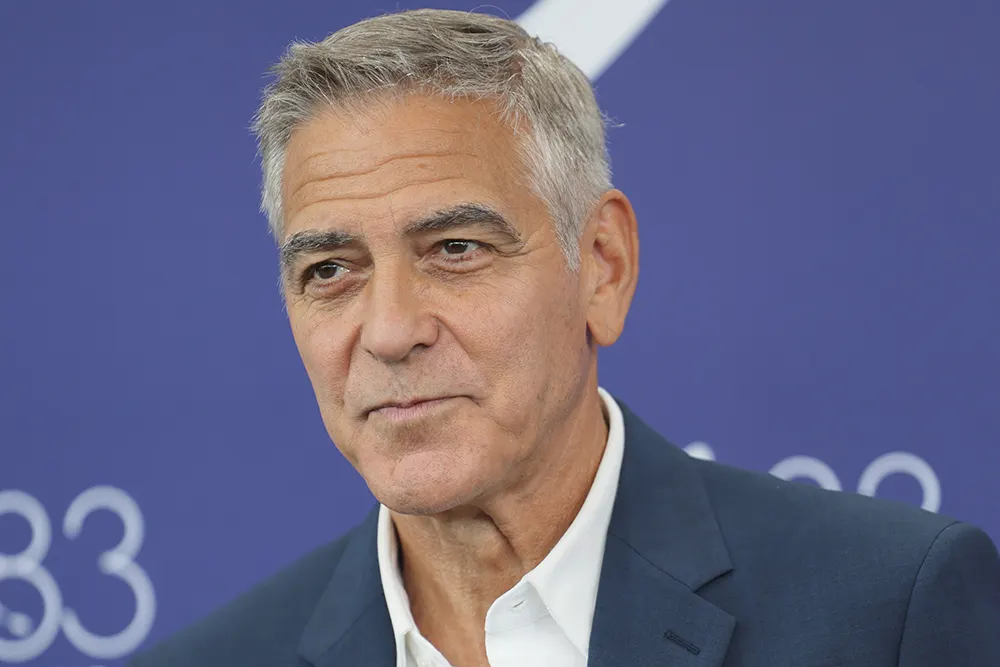
George Clooney used a press conference ahead of receiving the Venice Film Festival's Golden Lion for Lifetime Achievement to weigh in on Hollywood's biggest current controversy: Paramount Skydance's pursuit of a merger with Warner Bros. He defended fellow actor Mark Ruffalo's right to criticise the deal, after Ruffalo was accused by Paramount of using "antisemitic tropes" when he claimed the Ellison family was complicit in "genocide" in Gaza. Clooney also questioned the commercial logic behind the merger itself, reflecting broader unease in the industry about consolidation and job losses.
Speaking to Variety on Wednesday, Clooney said he supported "free speech even when I completely disagree with it" and called Paramount's response to Ruffalo "ridiculous". He said he did not "see how the merger financially ends up making sense for the people who are trying to do it" and voiced concern that big companies swallowing smaller ones tends to cost jobs. Clooney, 65, also touched on artificial intelligence, the state of journalism under billionaire owners such as Jeff Bezos and Elon Musk, and America's political climate, coining the term "kakistocracy" to describe current governance while expressing hope for a "restoration of normalcy" after the 2028 election.
In short
- Clooney backs Mark Ruffalo's right to criticise the Paramount-Warner Bros merger
- He doubts the merger makes financial sense and fears job losses
- Also discussed AI, journalism and US politics ahead of his Venice Golden Lion
Steelman: both sides, in good faith
The strongest fair case each way — we don't pick a winner.
The case for
Clooney’s defence of Ruffalo rests on the principle that public figures should be able to criticise powerful companies and their owners, including over alleged links to grave abuses, without corporate efforts to silence them. His doubts about the merger also reflect a reasonable concern that consolidation can reduce competition and lead to job losses, while the financial benefits may accrue mainly to those arranging the deal.
The case against
Paramount can reasonably argue that accusations tying a family to genocide are exceptionally serious and that challenging language it considers antisemitic is a legitimate response, rather than an attempt to suppress criticism. Supporters of the merger may also contend that combining businesses could improve their ability to compete and sustain investment in a difficult industry, so its financial case should be judged on evidence about the deal rather than assumed to be unsound.
Explained simply
Paramount Skydance and Warner Bros. are major US entertainment companies whose businesses include film studios and television networks. A proposed merger would bring parts of the two companies together under common ownership, raising questions about how the combined business would be run and whether it could lead to job cuts.
Actors Mark Ruffalo and George Clooney have both commented on the proposed deal. Paramount criticised Ruffalo over remarks about the Ellison family, which is linked to Paramount, and the war in Gaza; Clooney said Ruffalo should be able to express his views, including views others disagree with.
The debate reflects wider concerns in Hollywood about companies joining together, the effect on workers and the influence of large corporate owners. The deal’s financial rationale is also disputed, with questions about whether combining the businesses would make commercial sense.
Art Business Celebrity Companies Culture Entertainment Europe Film Travel World