World news and discussion on TalkFuse.
German police launch massive raid on criminal organization during soccer game
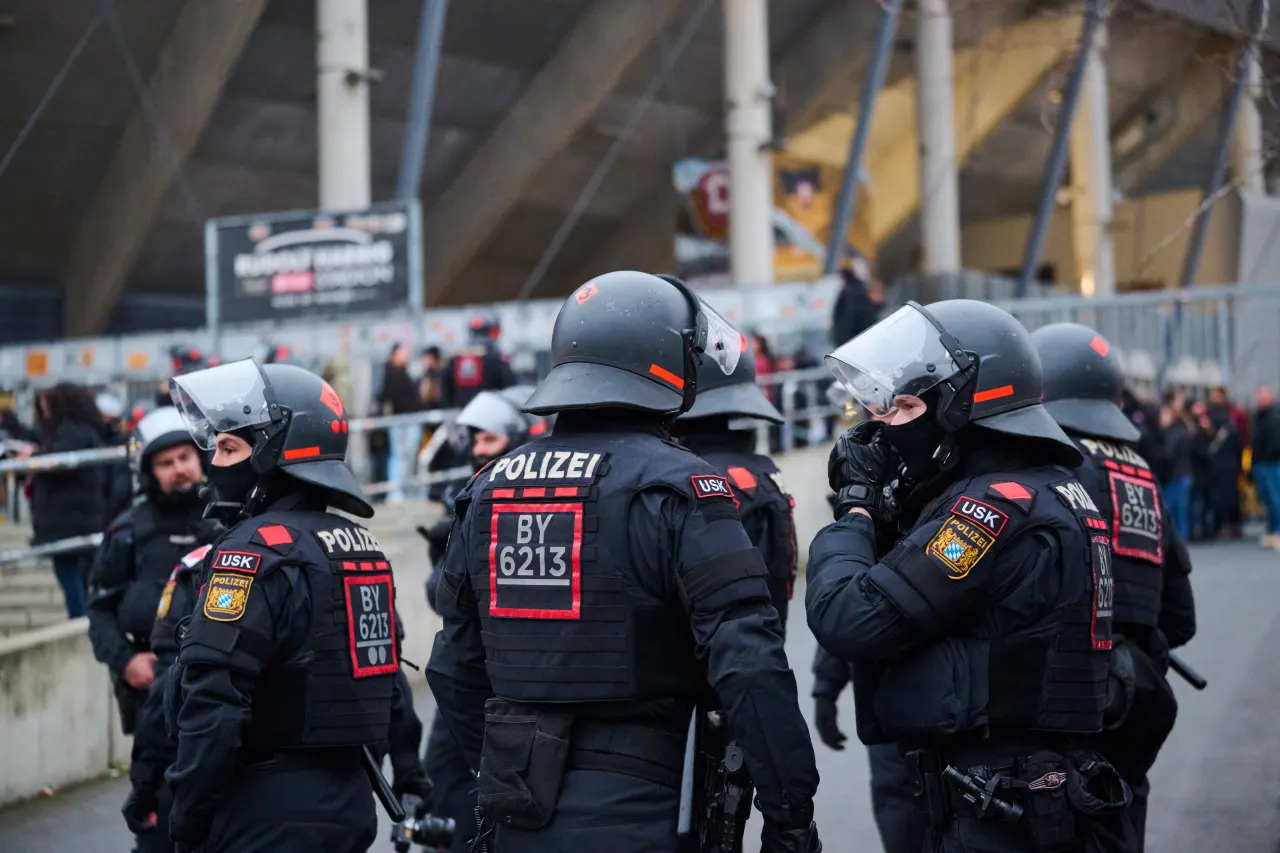
Around 1,000 German police officers carried out a major operation at Dynamo Dresden’s match against St. Pauli, targeting suspected members of a supporters’ group investigated for forming or belonging to a criminal organisation. Police said the action focused on suspected offenders, while the scale and treatment of fans drew criticism from the club.
Authorities investigated 87 members of Ultras Dynamo and held about 450 fans at the stadium to establish their identities. Officers searched more than 30 homes and other locations around Dresden; four people aged 29 to 38 were arrested at the match, and three were remanded in pre-trial detention. Dynamo managing director Stephan Zimmermann said several hundred uninvolved people had been kept in the cold for hours and questioned whether the operation was proportionate.
In short
- Police targeted suspected members of Ultras Dynamo during a match.
- About 450 fans were held while officers established identities.
- Dynamo questioned whether the operation was proportionate.
Steelman: both sides, in good faith
The strongest fair case each way — we don't pick a winner.
The case for
Supporters of the operation argue that police acted on specific, judicially reviewed suspicions that members of Ultras Dynamo had committed or organised serious offences, and that the state has a duty to dismantle criminal structures wherever they operate, including within football. From this view, a large presence at a high-risk fixture is a practical necessity, since organised groups can plan violence, drug dealing or intimidation around matches, and the identification checks were a reasonable way to protect the safety of the wider crowd. Many would also stress that the authorities acted against a limited number of suspects and that the legal framework rests on the rule of law rather than on collective blame.
The case against
Critics contend that the scale of the operation, with around 1,000 officers, some 450 people held for identification and several hundred uninvolved fans kept waiting in the cold for hours, risks punishing the many for the alleged conduct of the few. From this perspective, proportionality is a core principle of any democratic policing, and a stadium is a space where lawful supporters have a legitimate expectation of not being treated as suspects. Their concern is that heavy-handed tactics at a football match can erode trust between police and fan communities, and that the club's questions about whether the response was necessary deserve serious answers rather than dismissal.