Entertainment news and discussion on TalkFuse.
German TV in Crosshairs After Network Cancels “Antifascist” Performance
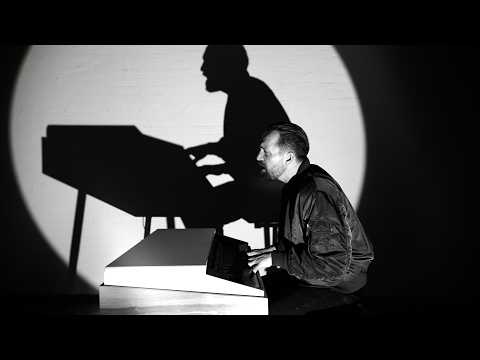
A major German television network scrapped a planned musical appearance after determining its message against extremist movements could reasonably be construed as promoting violence. The cancelled slot involved a classical performer and rapper whose composition urges German citizens to confront authoritarianism through activism, but administrators deemed the text problematic enough to warrant removal from programming. After the network's decision, the artists independently released the recording, which subsequently became a viral sensation, capturing the highest ranking in music popularity metrics across the country.
The decision generated swift opposition from multiple fronts, including the show's comedic hosts who called it craven, and professional journalism associations interpreting it as censorship contrary to broadcasting standards. Disagreement arose about whether the network had previously cleared the material, with the performers maintaining that legal review had already approved it weeks prior, a claim the broadcaster rejected. The episode occurs during a climate of heightened political polarization, as a right-wing political movement climbs in polling numbers amid discussions of whether it represents an existential threat to democratic values.
In short
- ZDF canceled an anti-extremism musical performance, arguing its messaging risked promoting violence
- The song went viral after independent release, topping German music rankings
- Programme hosts, media groups, and artists protested the decision as censorship; dispute remains over prior legal clearance
Steelman: both sides, in good faith
The strongest fair case each way — we don't pick a winner.
The case for
A broadcaster must exercise editorial judgment over content reaching mass audiences, and messaging urging citizen confrontation of authoritarianism could reasonably be interpreted as promoting political mobilisation that risks unintended consequences during polarised times. Networks have responsibility to consider how artistic content might be understood and acted upon by audiences, particularly when emphasis falls on direct action against political movements.
The case against
Cancelling anti-fascist art after prior legal approval constitutes political censorship that weakens democratic values, particularly when the material subsequently achieved significant public support without controversy. Withdrawing opposition voices during a rise of right-wing movements exemplifies the censorship-through-caution that chills free expression, and the network's decision appears driven by pressure or risk-aversion rather than evidence of actual harm.
Explained simply
A German television network cancelled a planned musical performance after determining its message against extremism could reasonably be interpreted as promoting violence. The performance was to feature a classical musician and rapper whose song encourages German citizens to confront authoritarianism through activism. The cancellation has sparked disagreement about whether this represents appropriate editorial judgment or an unwarranted restriction on artistic expression.
The artists claimed they had obtained legal approval for the material before the broadcast was scheduled, but the network disputes this. The television show's hosts and journalism associations have criticised the decision, questioning whether it aligns with broadcasting standards. The incident highlights tensions over where media organisations should draw lines between editorial caution and restrictions on expression.
The episode occurs during a period of rising political polarisation in Germany, as a right-wing political movement gains in polling and discussions intensify about whether it represents an existential threat to democracy. The decision raises questions about the role of broadcasters during such periods and their responsibility when handling politically contentious material.