Germany’s migrant classroom warning for UK: School with 90% migrant students is dubbed ‘most dangerous in the country’ – and a symbol of the nation’s migration problems
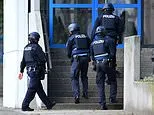
A secondary school in Ludwigshafen, Germany, where around 90% of pupils are migrants, has been labelled the country's "most dangerous" school and has become a national flashpoint in debates over integration and migration policy. Karolina-Burger-Realschule has been plagued by violent fights, threats against staff, vandalism and false emergency calls, prompting parents to seek alternative schools and teachers to take mass sick leave in apparent protest at how the situation is being handled.
Police were called to the school 121 times between 2022 and 2024, with 118 of those callouts resulting in criminal charges, and in 2018 armed SWAT officers were deployed over reports of a student carrying a pistol. In May 2025, a 16-year-old girl threatened a teacher with a knife and was later committed to a psychiatric hospital after being charged with attempted manslaughter; this incident prompted teachers to write an open letter detailing assaults, sexualised insults, destroyed furniture and squalid conditions including flooded, graffiti-covered toilets. Der Spiegel reported that a third of the school's 53 teachers called in sick in one recent week, and education experts have called the school a "magnifying glass of failed integration policy", with one suggesting it be closed entirely.
- German school with 90% migrant pupils dubbed the country's most dangerous
- Police called 121 times in two years, 118 led to charges
- Teachers report assaults, threats and mass sick leave amid unrest
New here? Start with this
Ludwigshafen is an industrial city in south-west Germany, and Karolina-Burger-Realschule is one of its secondary schools, teaching pupils roughly aged eleven to sixteen. Around nine in ten of its students come from migrant backgrounds, reflecting the wider makeup of the local area, and the school has become a focal point in Germany's long-running debate about how well migration and integration are working in practice.
Concerns about the school have built up over several years, involving repeated police call-outs, incidents of violence and threats against staff, and reports of poor physical conditions. Teachers, parents, police and education researchers are among the main parties involved, with teachers in particular going public with complaints about safety and working conditions, and some experts weighing in on what the situation says about national integration policy more broadly.
The story matters beyond one school because Germany, like many European countries, has taken in large numbers of migrants and asylum seekers in recent years, and how well their children are integrated into schools is seen as a test case for wider social integration. Cases like this one are often cited in political and public debate over immigration policy, both in Germany and in other countries, including the UK, where similar questions about migration and public services are also being discussed.