Politics news and discussion on TalkFuse.
Get Government Out of Air Traffic Control
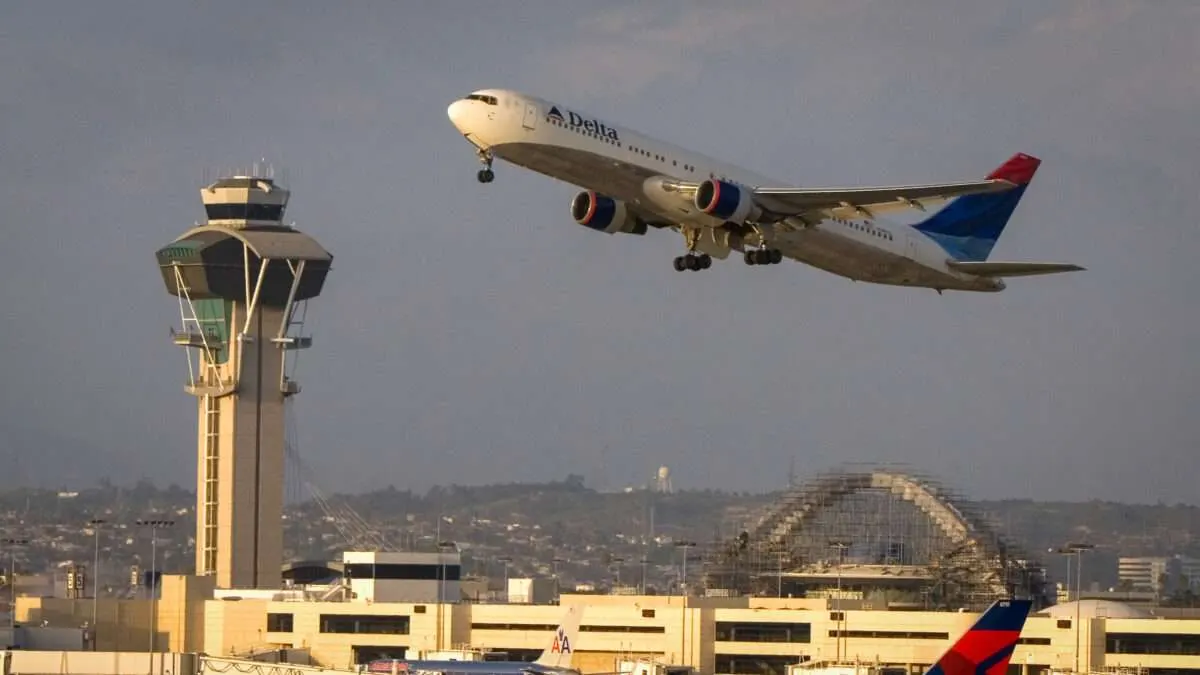
A nationwide ground stop in the United States last week, triggered by a technical failure in the Federal Aviation Administration’s air traffic control network, has renewed calls to move the system out of direct government control. The article argues that repeated outages and troubled modernisation efforts show the risks of relying on an ageing, politically managed system.
The FAA said a surge of data destabilised legacy equipment and disrupted aircraft communications and radar feeds while a contractor was replacing a copper wire and reconnecting a router. Past problems include flight disruption during a 2023 technical glitch and staffing pressures during last year’s government shutdown. The Government Accountability Office has warned that faster upgrades could bring cost uncertainty and further disruption; the article points to user-funded, independent air traffic control providers in about 100 countries, including Australia, Canada, Germany and the UK, as an alternative.
In short
- A technical failure triggered a nationwide US flight ground stop.
- The FAA blamed unstable legacy equipment and a surge of network data.
- The article argues for independent, user-funded air traffic control.
Steelman: both sides, in good faith
The strongest fair case each way — we don't pick a winner.
The case for
Moving air traffic control to an independent, user-funded provider could give it steadier revenue and more room to plan long-term upgrades than a system dependent on government budgets and political priorities. Supporters argue that international examples show this model can work, and that clearer operational accountability may help address ageing equipment and reduce the risk that government shutdowns or slow procurement disrupt service.
The case against
Air traffic control is essential public infrastructure, and keeping it under direct public control can preserve democratic accountability, national oversight and a commitment to serving all communities rather than prioritising commercial returns. A change in ownership would not by itself fix technical or staffing problems, and rapid modernisation could create new costs and disruption; the GAO has warned that faster upgrades carry those risks.