Politics news and discussion on TalkFuse.
Trump may escalate Iran action while seeking a Middle East legacy
The article argues that Donald Trump may respond to expected Republican losses in the US midterm elections by escalating military action against Iran, while also pursuing a strategic goal: reshaping the Middle East in ways that could secure a foreign-policy legacy. It presents a possible attack as both a show of strength and part of a wider effort to weaken Tehran and alter the regional balance.
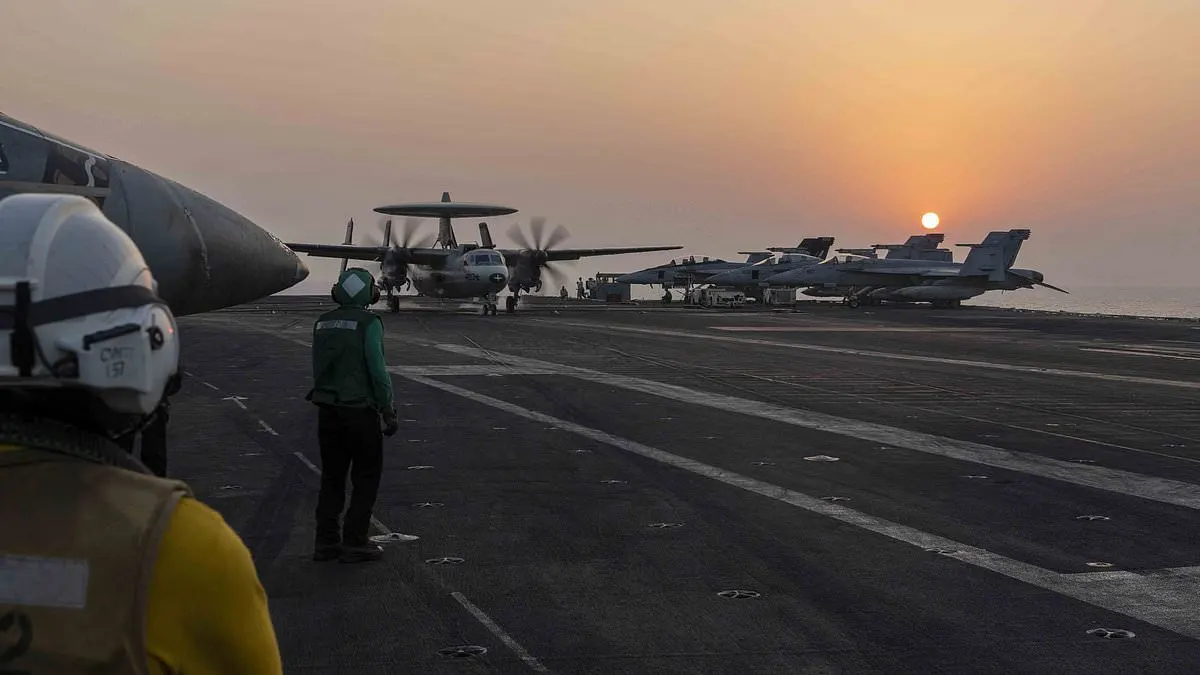
It cites a third US carrier strike group heading to the Gulf with 10,000 personnel and a recent raid on Iran’s Qeshm Island, while warning that further conflict could raise fuel prices. The article focuses on the Mecca defence pact linking Turkey, Saudi Arabia and Pakistan, and suggests that US-backed cooperation could expand to Egypt. It argues this grouping would put pressure on Iran, whose economy is already strained, though the piece’s claims about future attacks and regional realignment are predictions.
In short
- Trump may escalate pressure on Iran after midterm losses.
- A third carrier group is heading to the Gulf with 10,000 personnel.
- The article sees a regional defence pact as a challenge to Tehran.
Steelman: both sides, in good faith
The strongest fair case each way — we don't pick a winner.
The case for
Supporters could argue that credible military pressure may deter further Iranian threats and strengthen the security of US partners, while regional cooperation gives countries more capacity to contain conflict. If carefully limited and paired with diplomacy, action could shift the balance towards a more stable order and help secure a lasting US role in the region.
The case against
Critics could argue that escalating military action risks widening the conflict, provoking retaliation and driving up fuel prices, while weakening Iran may not produce a more stable regional order. They may also question whether predictions about electoral motives or a lasting legacy justify exposing US personnel and regional civilians to greater danger.
Explained simply
Iran is a country in the Middle East whose government has long been at odds with the United States and several regional powers. Tensions have centred on Iran’s military influence and nuclear programme, as well as its support for armed groups in neighbouring countries.
The United States has military forces in the Gulf, a region important for oil and shipping, and any conflict there could disrupt supplies and push up fuel prices. Turkey, Saudi Arabia and Pakistan are linked by a defence pact; Egypt could also become involved in wider regional cooperation.
The story concerns how US policy towards Iran might affect the balance of power across the Middle East. Donald Trump’s domestic political pressures and his interest in shaping US foreign policy form part of the context, but predictions about future military action or changes to alliances remain uncertain.
Elections Middle East Politics World
Read the full article at the source →
Originally published by Daily Mail as “Get ready for a wounded Trump to lash out in Iran. Yet there is method in his mayhem – a chance to bring about a lasting Middle-East peace, and secure the legacy he craves”.