Get Ready For “Mariska Unleashed”: 78th Annual Emmys Host & Producers Tease Telecast At Blue Carpet Rollout
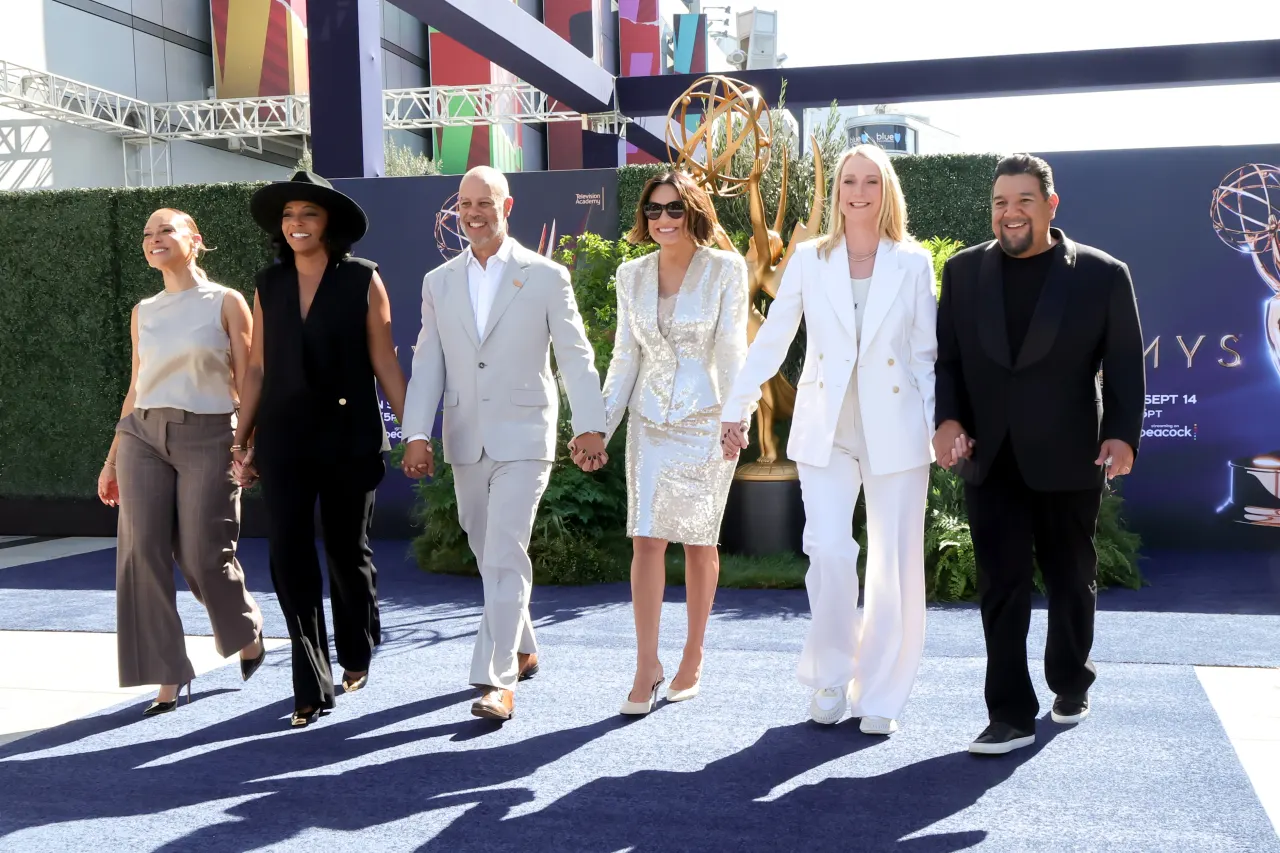
Ahead of Monday's 78th Emmy Awards, host Mariska Hargitay and the ceremony's producers previewed the telecast during a blue carpet rollout at the Peacock Theater, promising a lighter, more playful show than her long-running dramatic role as Olivia Benson on Law & Order might suggest. Hargitay, the first woman to host the Emmys in 15 years, is also serving as an executive producer alongside Jesse Collins, Dionne Harmon and Jeannae Rouzan-Clay, who dubbed the show "Mariska Unleashed" and pushed back on the idea that she lacks comic credentials.
The producing team confirmed reunions from Charlie's Angels and Buffy the Vampire Slayer during the live broadcast, along with a performance of Paul Simon's "Bridge Over Troubled Water" by Noah Kahan for the in memoriam segment. The ceremony has faced some criticism for moving several acting, writing and directing categories to a non-televised event over the Labor Day weekend, but producers said the freed-up time would let hosts and presenters have more room to breathe, aiming for a better-paced, distinctive show.
In short
- Mariska Hargitay hosts the Emmys, her first time and a comedic departure
- Producers confirm Charlie's Angels and Buffy reunions, Noah Kahan tribute
- Some categories moved off-air, freeing time for a better-paced broadcast
Steelman: both sides, in good faith
The strongest fair case each way — we don't pick a winner.
The case for
Producers and hosting team members would argue that trimming certain categories to a separate, non-televised ceremony is a reasonable trade-off in service of a stronger overall show: with fewer award presentations crowding the main broadcast, there is more time for hosts, presenters and marquee segments such as tributes and reunions to land properly rather than being rushed through under a strict clock. They would point out that award shows face genuine pressure to hold viewer attention in a crowded entertainment landscape, and that a tighter, better-paced telecast ultimately serves both the audience and the industry's interest in keeping the ceremony culturally relevant. On this view, the change is a practical production decision, not a judgement on the value of the work being honoured.
The case against
Critics, including some in the acting, writing and directing communities, would argue that moving these categories off the live broadcast, and scheduling that separate event over a holiday weekend, risks signalling that certain creative contributions are less worthy of prime-time recognition than presentation and spectacle. They would contend that the craft categories are the substantive core of what the Emmys exist to honour, and that nominees and their fields deserve the same visibility and occasion as those in more camera-friendly categories. From this perspective, the pursuit of pacing and entertainment value should not come at the expense of full, equal recognition for the people whose work the awards are meant to celebrate.
Explained simply
Mariska Hargitay is best known for playing Olivia Benson in Law & Order: Special Victims Unit, but for this year's Emmy Awards she is stepping into a very different role: host and executive producer of the ceremony itself. She is the first woman to host the Emmys in 15 years, and is working alongside a production team that includes Jesse Collins, Dionne Harmon and Jeannae Rouzan-Clay to put together the show.
The Emmys are the television industry's leading awards, handed out annually to recognise achievement across drama, comedy and other categories. This year's ceremony takes place at the Peacock Theater, and organisers have been previewing what viewers can expect, including a lighter tone than Hargitay's dramatic screen persona might suggest, alongside cast reunions and musical tributes planned for the broadcast.
The show has also drawn some scrutiny after organisers decided to present several acting, writing and directing awards at a separate, non-televised event rather than during the main live broadcast, a change producers say was made to give the televised ceremony more breathing room.
Americas Geopolitics Politics World