World news and discussion on TalkFuse.
Get set for the left’s next thought-control offensive
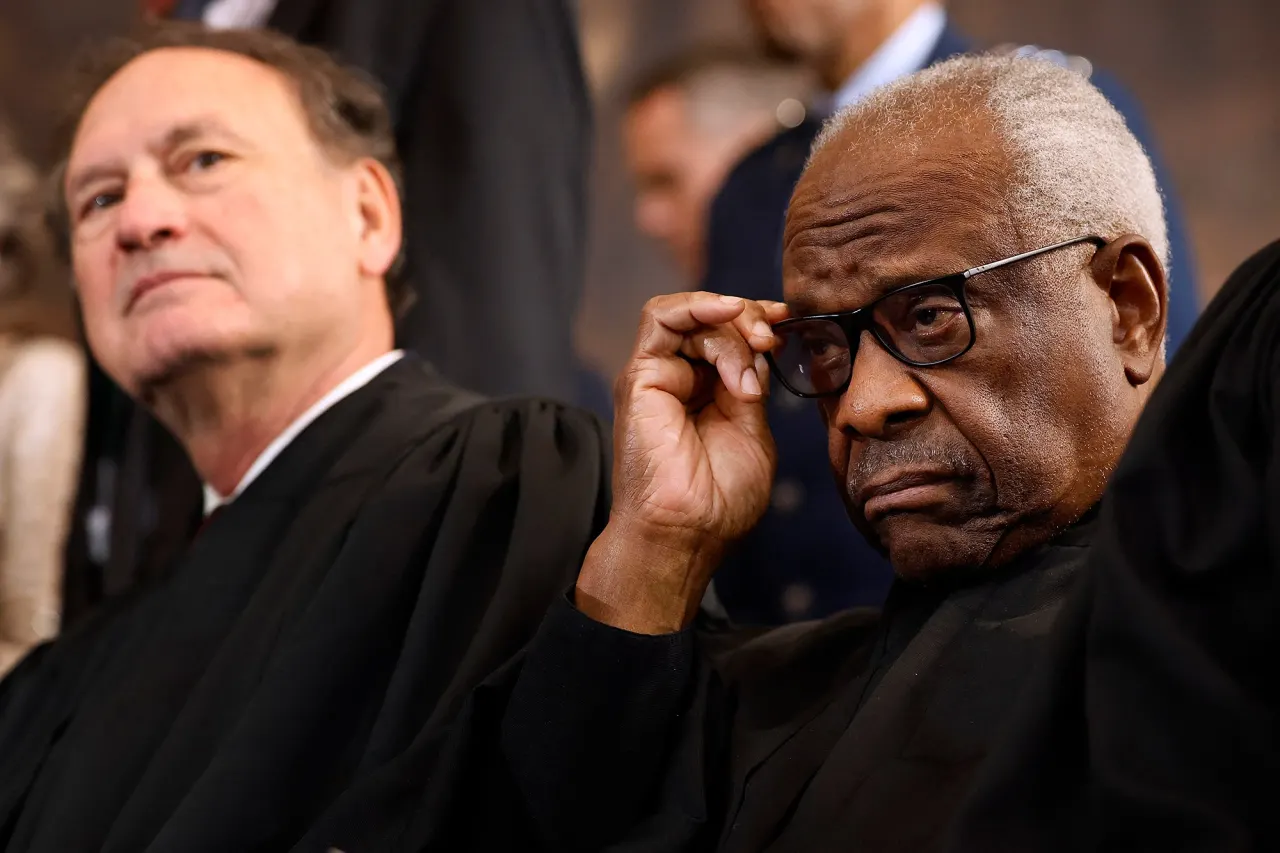
A conservative opinion piece argues that several US state policies are compelling speech or ideological training, and warns that these measures could expand. It focuses on the Supreme Court’s decision not to hear a California doctor’s challenge to a mandatory medical course on implicit bias, which the author says raises First Amendment concerns.
The article says similar medical training requirements exist in Maryland and Virginia, with an Illinois maternal-health course due to start on 1 January. It also cites a proposed New York requirement for state employees, Colorado’s law requiring public employees to use transgender people’s chosen names, and a California law due in 2028 requiring anti-hate-speech training at businesses with five or more employees. The author links the risk of further measures to Democrats controlling both legislative chambers and the governorship in 22 states after the latest elections.
In short
- The Supreme Court declined to hear a doctor’s challenge to California’s training mandate.
- Several states have adopted or proposed similar training or speech-related rules.
- The author warns these measures could grow under Democratic-led state governments.
Steelman: both sides, in good faith
The strongest fair case each way — we don't pick a winner.
The case for
Supporters of these policies can argue that training on implicit bias and respectful treatment helps address unequal care and discrimination, particularly in settings where people depend on public services or employers. They may see consistent standards as a practical way to protect patients and workers, while maintaining that requirements should be carefully designed and allow room for legitimate professional disagreement.
The case against
Critics can argue that government-mandated courses or rules about language risk compelling people to affirm contested political or ideological claims, raising serious free-speech concerns. Even if a policy has a legitimate anti-discrimination aim, they may worry that broad or vague requirements could chill dissent and create precedents for expanding state control over expression.
Explained simply
The First Amendment to the US Constitution protects freedom of speech and limits what government can require people to say or learn. Courts weigh those protections against governments’ powers to set rules for public services, workplaces and professional training.
State policies can apply to different groups, including doctors, public employees and private businesses. The measures described here concern training on topics such as implicit bias, maternal health and hate speech, as well as rules for addressing transgender people by their chosen names.
The debate turns on how far states may go in setting these requirements and whether particular rules infringe constitutional rights. State governments make many such policies, while courts can review legal challenges; their decisions may shape how similar rules are treated elsewhere.