Entertainment news and discussion on TalkFuse.
‘Girl Group’ Review: Rebel Wilson’s Bawdy Pop Comedy Is All Fizz and Little Substance
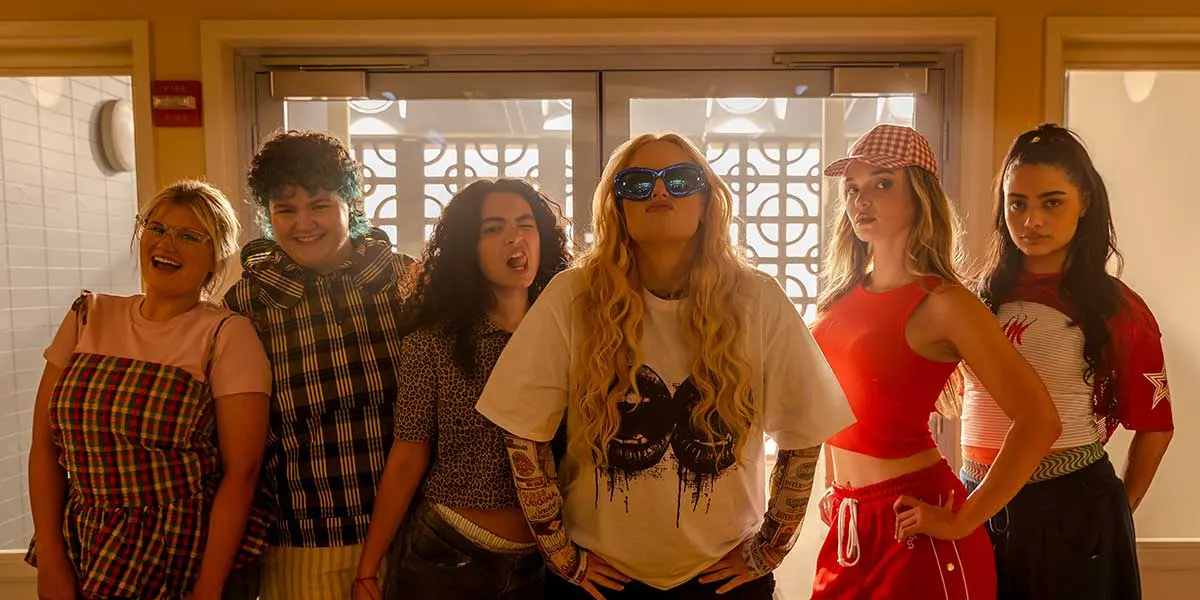
Variety's review of Rebel Wilson's new comedy "Girl Group" describes it as a glossy but shallow riff on "Pitch Perfect", combining a "Bad News Bears"-style mentorship plot with bawdy humour and lavish musical numbers. Wilson plays Tassie, a washed-up member of a 1990s girl band called Gurlfriends who, after a failed solo career and a spell of alcoholism, is sentenced to community service mentoring a group of ambitious Gen Z singers ahead of a competition. The review argues the film prioritises spectacle and jokes over substance, never matching the emotional depth of the "Pitch Perfect" franchise it clearly imitates.
The cast includes several real-life pop stars playing fictionalised versions of girl-group fame, among them Nicole Scherzinger and Ashley Roberts of The Pussycat Dolls, Mel C of the Spice Girls, and Shaznay Lewis of All Saints, alongside a brief appearance from Sally Hawkins. The critic notes the film gestures towards themes of generational attitudes to female sexuality and the "male gaze" in pop culture but largely abandons them in favour of broad, size-related and reference-heavy comedy. Overall, the review concludes the film is an enjoyable but forgettable "second-string" entry in the genre, ultimately more style than substance.
In short
- Variety reviews Rebel Wilson's comedy "Girl Group" as fun but shallow.
- Wilson plays a washed-up singer mentoring young Gen Z performers.
- Real pop stars appear, but the film lacks depth versus "Pitch Perfect".
Explained simply
Girl groups are vocal acts whose members sing and perform together, often with carefully shaped images and choreography. The film centres on Tassie, a former member of a 1990s group, who is assigned to mentor young singers preparing for a competition.
The cast includes pop performers Nicole Scherzinger, Ashley Roberts, Mel C and Shaznay Lewis, alongside actor Sally Hawkins. Their presence connects the fictional story to real girl-group history, while the film’s focus on older and younger singers raises questions about how women’s image and sexuality are presented in pop music.
The story draws on a familiar comedy setup: an unlikely mentor tries to help a team succeed. That background helps explain the comparisons with music comedies such as Pitch Perfect and why the review considers the balance between musical spectacle, humour and character development.