World news and discussion on TalkFuse.
Gisèle Pelicot to pursue legal action over photos used to promote essay
Developed over time first seen 21 hours ago
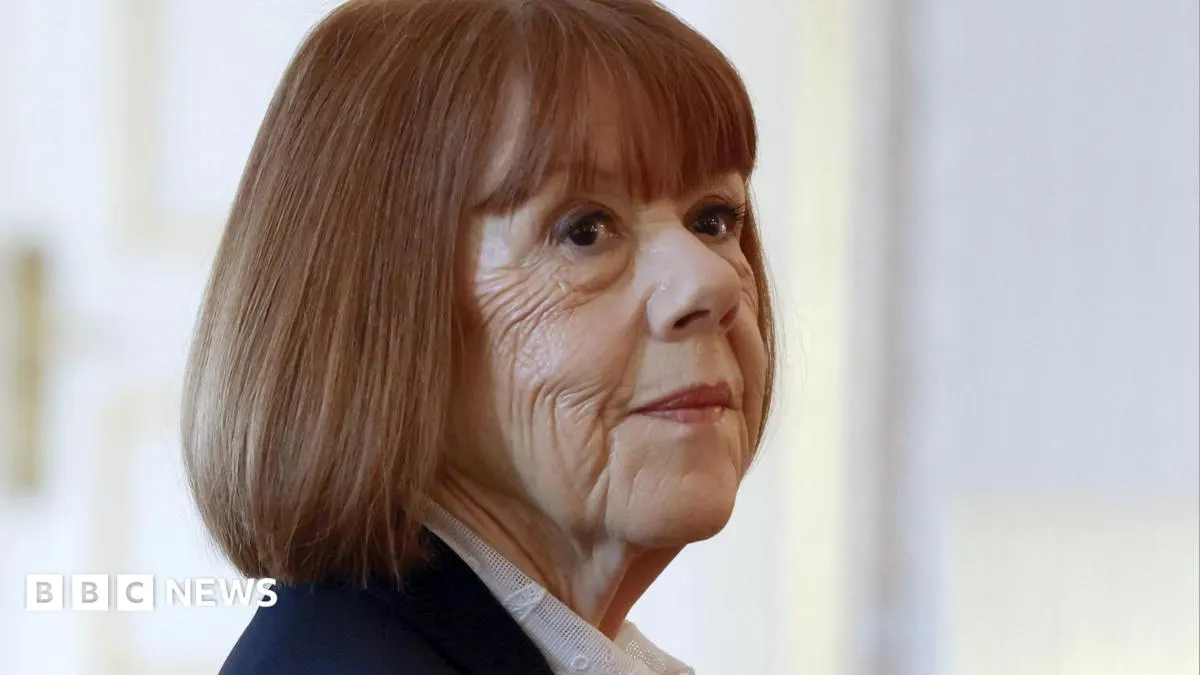
Gisèle Pelicot says she has been “once again humiliated” after nude photographs of her were sent to media outlets to promote an essay about coercive control. She says the images exploited her private life for commercial purposes and plans to take legal action against the essay’s author and publisher.
The photographs were taken by her former husband, Dominique Pelicot, who was jailed for 20 years for drugging and raping her and enabling other men to rape her while she was unconscious. Publisher Tinbad apologised and said it would stop promoting the essay and print no more copies beyond the 280 already in circulation; author Sabine Prokhoris said the publisher was responsible for the campaign. Fifty other men were convicted in 2024, after Gisèle waived her right to anonymity and said shame should move from victims to perpetrators.
- Sources
- 2
- Outlets
- 2
- Left · Centre · Right
- 0 · 2 · 0
In short
- Gisèle Pelicot plans legal action over nude photos used to promote an essay.
- Publisher Tinbad apologised and halted promotion and further print runs.
- The photos were taken by her former husband, who was jailed for 20 years.
How this story developed
- 8 hours ago It emerged that Tinbad had emailed the photographs to media outlets as part of its campaign; author Sabine Prokhoris held the publisher responsible.
- 14 hours ago Her lawyer added that the essay challenged Pelicot’s status as a victim, while Tinbad said it would halt promotion and print no further copies beyond the 280 already in circulation.
- 14 hours ago Gisèle Pelicot said she felt humiliated after nude photographs of her were used to promote an essay on coercive control, and announced plans to sue its author and publisher.
Full account
Gisèle Pelicot says she feels “once again humiliated” after nude photographs of her were circulated to media outlets as publicity for a book about coercive control. The 73-year-old told French broadcaster BFMTV that she was deeply shocked to see images from her private life used commercially without her consent. She said she would take legal action against the Paris publisher Tinbad and the book’s author, Sabine Prokhoris.
The photographs were taken by Pelicot’s former husband, Dominique Pelicot, who was jailed for 20 years after drugging and raping her and arranging for other men to assault her while she was unconscious. The case came to wide public attention in 2024. Gisèle Pelicot chose to waive her right to anonymity during the trial, saying she wanted shame to fall on perpetrators rather than victims. Fifty men, including her former husband, were convicted.
The essay, by philosopher and psychoanalyst Prokhoris, examines the idea of psychological control and domination. Its back-cover description characterises coercive control as central to what it calls #MeToo orthodoxy, and says such situations involve both parties in responsibility, though not in equal measure. Pelicot’s lawyer said the argument calls her status as a victim into question. Prokhoris said the book was not about the Pelicot case and assigned responsibility for the publicity campaign to Tinbad.
Tinbad apologised to Pelicot and Prokhoris, calling the promotion an inappropriate communication. The publisher said it would not print further copies beyond the 280 already in circulation, and maintained that it had not sent images of rape or pornographic videos. The episode has drawn attention to how material from the criminal case was used to market a work whose argument, Pelicot’s lawyer says, challenges her account as a victim.
Where outlets differ
From the full account, which is AI-written from the sources:
The first report says nude photographs were emailed to some media outlets; the second attributes the account to French weekly Le Canard Enchaîné and says it also reported graphic videos. It notes that AFP did not receive the book or promotional material, and that Tinbad denied sending rape images or pornographic videos without denying that nude photographs had been distributed.
The first report focuses on Pelicot’s legal response and her lawyer’s criticism of the essay. The second adds Prokhoris’s explanation that the book is a broader critique of psychological control and domination, rather than a study of the Pelicot case.
The reports describe the convictions differently: the first says 50 men were convicted alongside her former husband; the second says her former husband recruited 49 other men, making 50 in total. Both describe 50 convictions overall.
Explained simply
Gisèle Pelicot became known internationally after her former husband, Dominique Pelicot, was convicted of drugging and raping her and arranging for other men to assault her while she was unconscious. Fifty men were convicted alongside him in 2024. She chose to waive her right to anonymity, saying that shame should fall on the perpetrators rather than victims.
The photographs in question were taken by Dominique Pelicot. Tinbad, the publisher of an essay by Sabine Prokhoris, sent some of them to media outlets to promote the book. The dispute raises questions about who can use intimate images and whether they may be used commercially without the subject’s consent.
Coverage · 2 sources
Bias meters
From 2 rated sources.
Read the full article at the source →
Originally published by BBC World as “Gisèle Pelicot ‘humiliated’ after nude photos sent to media to promote book”.