Gleeful Scottish separatists seize on Burnham Indyref gaffe as election guru warns there may be enough support to justify new vote on his terms
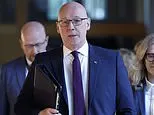
Scottish nationalists have pounced on a comment by Andy Burnham during Prime Minister's Questions in which he suggested there was no majority public support in Scotland for a fresh independence referendum, only for polling expert Sir John Curtice to say that claim could be challenged. Burnham had argued a new vote could only happen if there was "a majority of public support" for one, drawing a comparison with Northern Ireland's Good Friday Agreement mechanism. The exchange has reignited the independence debate, prompting First Minister John Swinney to write to Burnham demanding clarity on the conditions for holding another referendum.
Curtice told BBC Radio Scotland that both sides could find evidence for their case, noting recent opinion polls put support for independence at roughly 52 to 48 per cent, with a majority of Holyrood MSPs also backing independence, though only just over 40 per cent voted for pro-independence parties in May's election. He recalled that the 2014 referendum, in which 55 per cent voted to stay in the UK, had failed to settle the constitutional question, leaving support "around 50/50" for about seven years. Curtice said nationalists would need to push support closer to 60 per cent before a new vote became hard to avoid, concluding that neither side currently holds a decisive position.
In short
- Burnham's PMQs remark on Scottish independence backing sparked fresh referendum demands
- Curtice says polls show narrow ~52-48% majority for independence, disputing Burnham
- Swinney wrote to Burnham seeking clarity on terms for a new independence vote
Steelman: both sides, in good faith
The strongest fair case each way — we don't pick a winner.
The case for
Supporters of a new referendum can argue that recent polls put independence ahead, a majority of Holyrood MSPs support it, and the 2014 result did not settle the question permanently. If support for a vote is now substantial, they say, Scotland’s electorate should be able to decide the issue again through a democratic process.
The case against
Those who oppose or would defer another referendum can argue that recent polling is close and does not show a clear, sustained mandate, while pro-independence parties won only just over 40 per cent of votes in the last election. They may also contend that a new vote should require stronger evidence of public support, given the importance of constitutional stability and the 2014 result in favour of remaining in the UK.
Explained simply
Scotland is part of the United Kingdom, but it has its own parliament and government. The Scottish National Party, led by First Minister John Swinney, supports independence; Andy Burnham is the mayor of Greater Manchester and a senior Labour politician.
Scotland voted to remain in the UK in a 2014 referendum, by 55 per cent to 45 per cent. The vote did not end the debate, and opinion polls have since often shown views on independence close to evenly divided.
A new referendum would require agreement on when one should be held and what level of public support would justify it. The Good Friday Agreement provides for a vote on Northern Ireland’s status in certain circumstances, but Scotland’s position is governed by different arrangements.
Elections Government Politics World