World news and discussion on TalkFuse.
Gloating Democrats have celebrated wildly since landslide midterms victory changed the face of American politics… but now they’re set for brutal reality check as flood of divided new lawmakers pours into DC
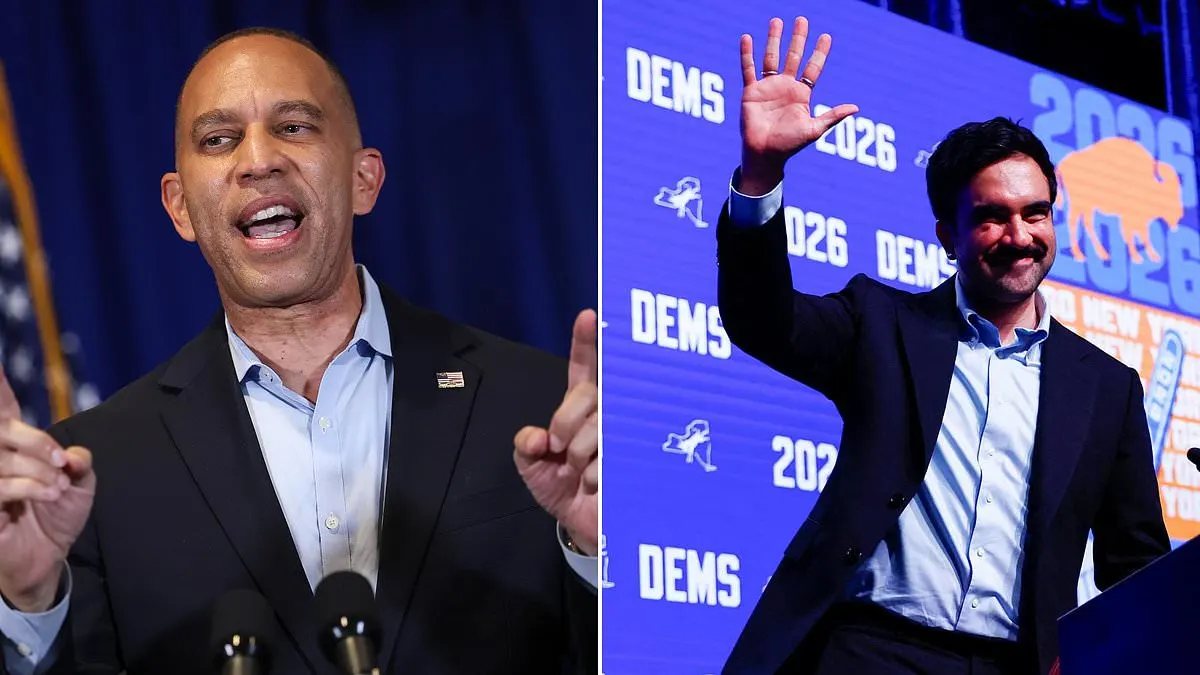
Democrats’ reported landslide midterm win has given them control of both chambers of Congress, putting Hakeem Jeffries in line to become the first Black Speaker of the House. The article says the victory may soon be followed by a struggle over the party’s direction, as progressive newcomers push for sweeping reforms while moderates from Republican-leaning districts may resist.
Jeffries is set to lead at least 254 Democrats, the party’s largest House majority since 2009. Six incoming lawmakers associated with the Democratic Socialists of America are backing proposals including Medicare for All, higher taxes on wealthy people, an arms embargo on Israel and abolishing ICE; Pennsylvania’s Chris Rabb has warned leaders he will not automatically support Jeffries for Speaker. Jeffries has said the party has maintained unity under pressure and pledged to focus on making life more affordable.
In short
- Democrats have won control of both chambers.
- Jeffries faces a caucus of at least 254 lawmakers.
- Progressives and moderates may clash over priorities.
Steelman: both sides, in good faith
The strongest fair case each way — we don't pick a winner.
The case for
A large majority gives Democrats a strong mandate to pursue policies they argue would make healthcare more accessible, ask more of the wealthy and address concerns about immigration enforcement and US support for Israel. Progressive newcomers can contend that bold proposals reflect voters’ desire for change, while internal debate may help the party deliver reforms that improve affordability and meet its commitments.
The case against
Democrats also have reason to prioritise unity and practical results: lawmakers elected from Republican-leaning districts may face pressure to avoid policies their constituents oppose. Moderates can argue that pushing sweeping proposals or making support for Jeffries conditional risks weakening the new majority and distracting from shared priorities such as lowering living costs.
Americas Elections Politics World