World news and discussion on TalkFuse.
Golden Dome could leave US vulnerable to drone attacks without Israeli systems
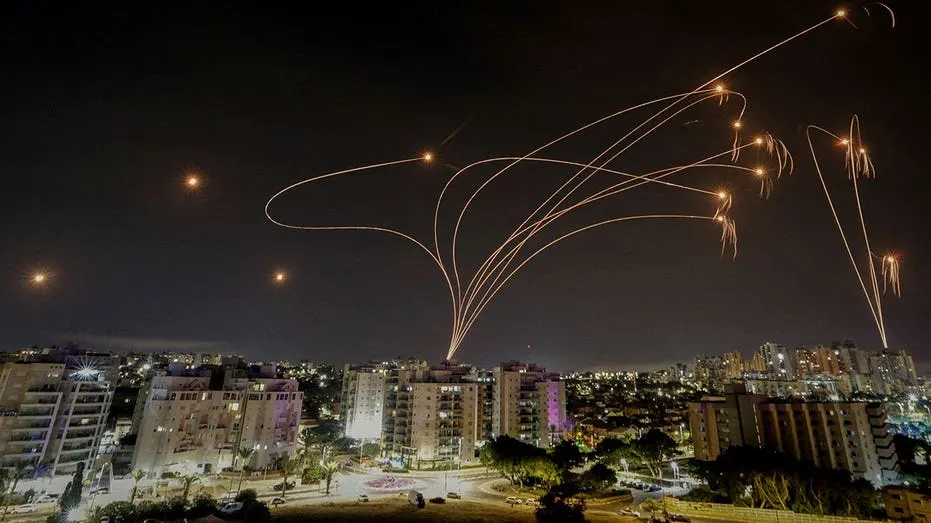
A new report from the Jewish Institute for National Security of America warns that the US Golden Dome missile defence programme, which focuses heavily on space-based interception, could leave America vulnerable to lower-altitude threats such as drones and cruise missiles. The report urges Washington to integrate cheaper, combat-proven Israeli air-defence systems into the planned shield to close this gap, and was published to coincide with Israeli Prime Minister Benjamin Netanyahu's visit to Washington for talks with President Donald Trump focused on Iran and regional security.
Golden Dome is envisaged as a layered shield designed to detect, track and intercept ballistic missiles, cruise missiles, hypersonic weapons and drones before they reach the United States. The report's author argues that expanding US–Israel defence cooperation, particularly by incorporating lower-cost Israeli systems already tested in combat, would strengthen the programme against threats that space-focused interceptors are less suited to counter.
In short
- Report warns Golden Dome's space focus may miss drone threats
- Analyst urges adding cheaper Israeli air-defence systems to shield
- Published as Netanyahu meets Trump for Iran security talks
Steelman: both sides, in good faith
The strongest fair case each way — we don't pick a winner.
The case for
Israeli air-defence systems have proven combat effectiveness against precisely the lower-altitude threats—drones and cruise missiles—that Golden Dome's space-focused architecture may struggle to counter. These systems are cost-effective and battle-tested, offering a pragmatic enhancement to America's defensive posture through deepened US-Israel security cooperation. Given shared regional security interests, integrating a proven capability rather than developing redundant domestic alternatives represents sound defence strategy and efficient use of resources.
The case against
The United States should prioritise developing indigenous defence capabilities to maintain strategic independence and avoid technology-transfer risks inherent in integrating foreign systems. Incorporating Israeli systems requires extensive security protocols, interoperability work, and training costs that may substantially offset claimed savings. The recommendation's source—a pro-Israel organisation publishing during Netanyahu's visit—raises legitimate questions about whether this represents optimal defence policy or institutional advocacy. Golden Dome's current approach merits independent evaluation on its merits, and American defence contractors should be supported to develop competitive solutions addressing identified gaps.
Explained simply
Golden Dome is an American missile defence system designed to protect the United States from airborne threats. It is planned as a layered shield intended to detect, track and intercept a range of weapons including ballistic missiles, hypersonic weapons, cruise missiles and drones.
A concern has been raised that Golden Dome's focus on space-based interception may leave America vulnerable to lower-altitude threats, particularly drones and cruise missiles. The concern centres on whether space-based systems are the most effective way to counter all types of airborne attack that the country might face.
This touches on a broader debate in defence strategy about how to build effective protection against evolving threats. The question of whether to integrate existing systems from allied nations like Israel into American defence programmes is part of this wider discussion about how best to allocate resources and international cooperation in national security planning.
Americas Middle East Space Technology World