Entertainment news and discussion on TalkFuse.
Golshifteh Farahani Hits Out at U.S. ‘Propaganda’: ‘It’s Absolute Bulls— What Hollywood Shows of the Middle East’
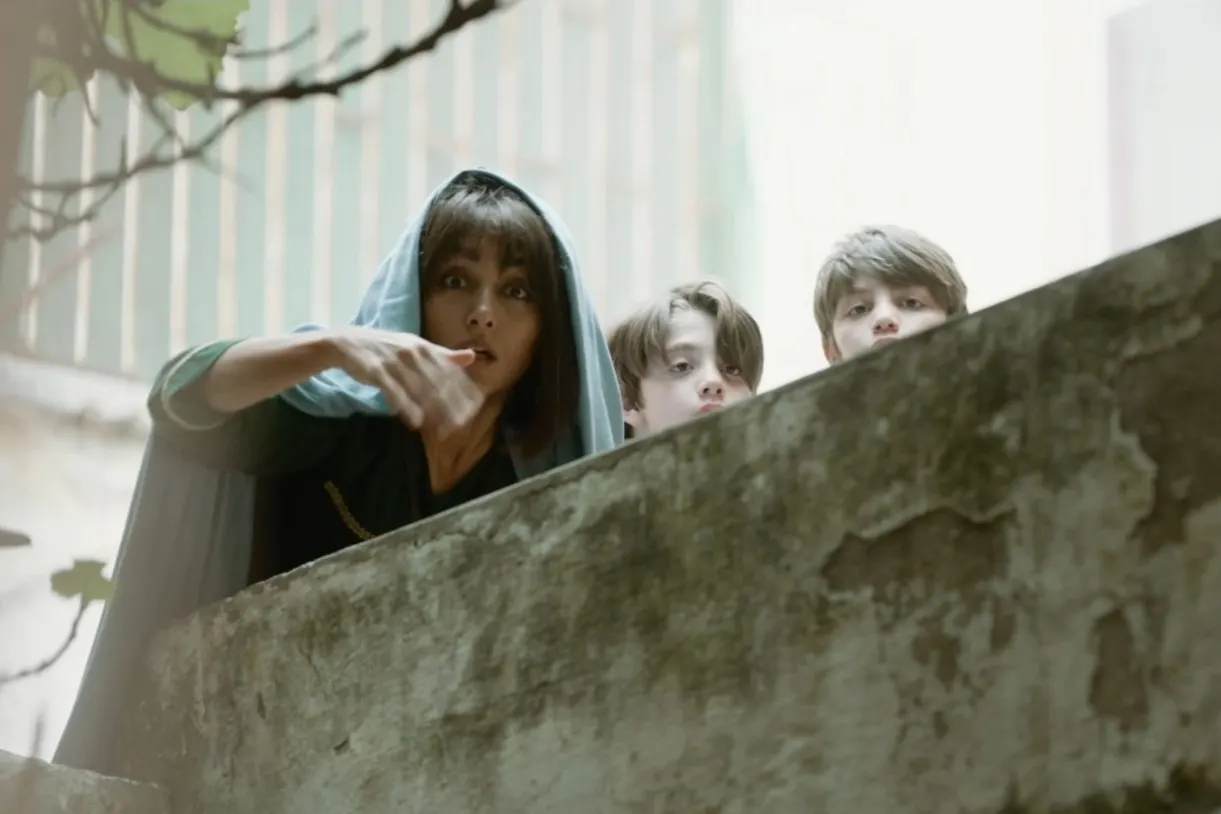
Iranian-born actor Golshifteh Farahani criticised the pressure on artists from countries at war to act as representatives of their nation, saying it can overshadow discussion of their work. Speaking at Tallinn’s Black Nights Film Festival, she also argued that political polarisation leaves little room for people who do not fit opposing sides.
Farahani said she has faced stereotyped roles in the West since leaving Iran in 2008, after a backlash over her appearance in “Body of Lies”. She has spent 20 years in exile in France and is at the festival with “When She Hears the Bells”, which is competing for best first feature. The discussion accompanied the launch of the festival’s Free World Award, which will go to Iraqi Oscar hopeful “No Paradise If You Are Killed By a Woman”.
In short
- Farahani says war can overshadow an actor’s individuality and work.
- She described political debate as increasingly polarised.
- Her latest film is competing at Tallinn’s Black Nights Festival.
Steelman: both sides, in good faith
The strongest fair case each way — we don't pick a winner.
The case for
Farahani’s criticism can be seen as a call for more varied and truthful portrayals of the Middle East, and for artists to be judged primarily on their work rather than treated as spokespeople for their countries. When film and political debate reduce people to opposing camps, they can reinforce stereotypes and leave little room for experiences that do not fit either side.
The case against
A thoughtful counterargument is that films and public discussion inevitably select and frame real events, so a portrayal someone sees as propaganda may reflect a different interpretation rather than deliberate distortion. Audiences may also reasonably ask artists about the political contexts of their work, while still recognising that no individual artist should be expected to represent an entire nation.
Explained simply
Golshifteh Farahani is an Iranian-born actor who has worked in international films and has lived in exile in France since leaving Iran in 2008. Her appearance in the Hollywood film “Body of Lies” drew a backlash in Iran, and she has said that Western films often cast her in stereotyped roles.
Artists from countries affected by war or political conflict can face pressure to speak for their country, even when they are attending events to discuss their work. Farahani’s comments touch on how film portrayals of the Middle East, and political debate that divides people into opposing camps, can shape how audiences see the region and its people.
Celebrity Entertainment Film Middle East World