World news and discussion on TalkFuse.
‘Good Girls’ Director on Life in Girls’ Correctional Center in Poland: ‘It Damages You Even More’ (EXCLUSIVE)
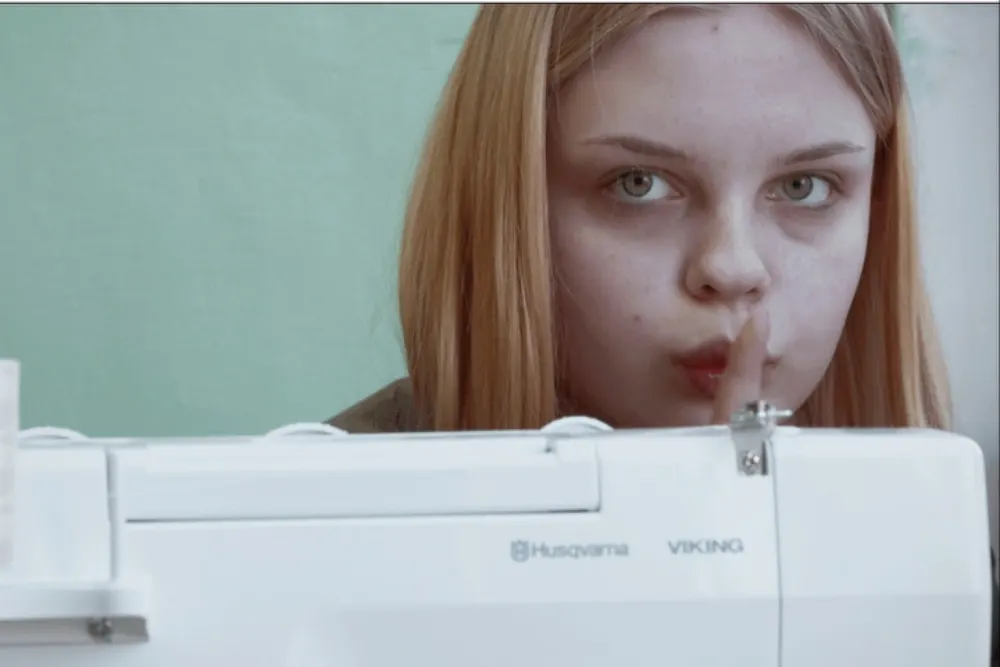
Ania Winiarska’s documentary *Good Girls* examines life inside a correctional centre for teenage girls in Poland, where some are sent for skipping school, using alcohol or drugs, or becoming pregnant, as well as for more serious offences. The film raises questions about a system that can punish girls whose needs stem from abuse, neglect or untreated mental health problems.
Winiarska says it took two years to earn the girls’ trust and begin filming. She describes an institution where discipline and surveillance coexist with outdated practices, while staff are not necessarily trained to address psychological needs. The centre can offer safety, meals and schooling to girls from neglectful homes, but those leaving at 18 may have little money and limited preparation for adult life; the film is due to premiere at the Ji.hlava International Documentary Film Festival.
In short
- *Good Girls* follows teenage girls in a Polish correctional centre.
- Some are confined for problems linked to unmet needs or difficult home lives.
- The film questions whether the system prepares them for life after 18.
Steelman: both sides, in good faith
The strongest fair case each way — we don't pick a winner.
The case for
A correctional centre can provide immediate safety, regular meals, schooling and supervision to girls whose home lives are unsafe or unstable. Supporters may argue that clear rules and consequences are needed for serious offending, and that a structured setting can give staff time to address problems and help prepare residents for adulthood.
The case against
Placing girls in a punitive institution for behaviour linked to abuse, neglect or untreated mental health needs can deepen their distress rather than address its causes. Critics may also argue that outdated practices, limited psychological expertise and weak preparation for life after 18 undermine the promise of care and rehabilitation.
Explained simply
In Poland, teenage girls can be sent to correctional centres for a range of reasons, from missing school or using drugs to more serious offences. Some have also experienced abuse, neglect or mental health problems, which can shape their behaviour and needs.
Ania Winiarska’s documentary Good Girls looks at life inside one such centre. These institutions provide supervision, schooling and basic care, but questions arise about whether staff and rules are equipped to support girls’ psychological needs.
The transition out can be difficult: residents may leave at 18 with little money or preparation for adult life. The story matters because it raises questions about how the system balances discipline, safety and support for young people.
Americas Entertainment Film World