Video games news, releases, esports and culture — all the biggest gaming stories in one place.
Good news for some: Framework swims against the tide of the RAMpocalypse by ‘retroactively reducing’ its LPCAMM2 prices
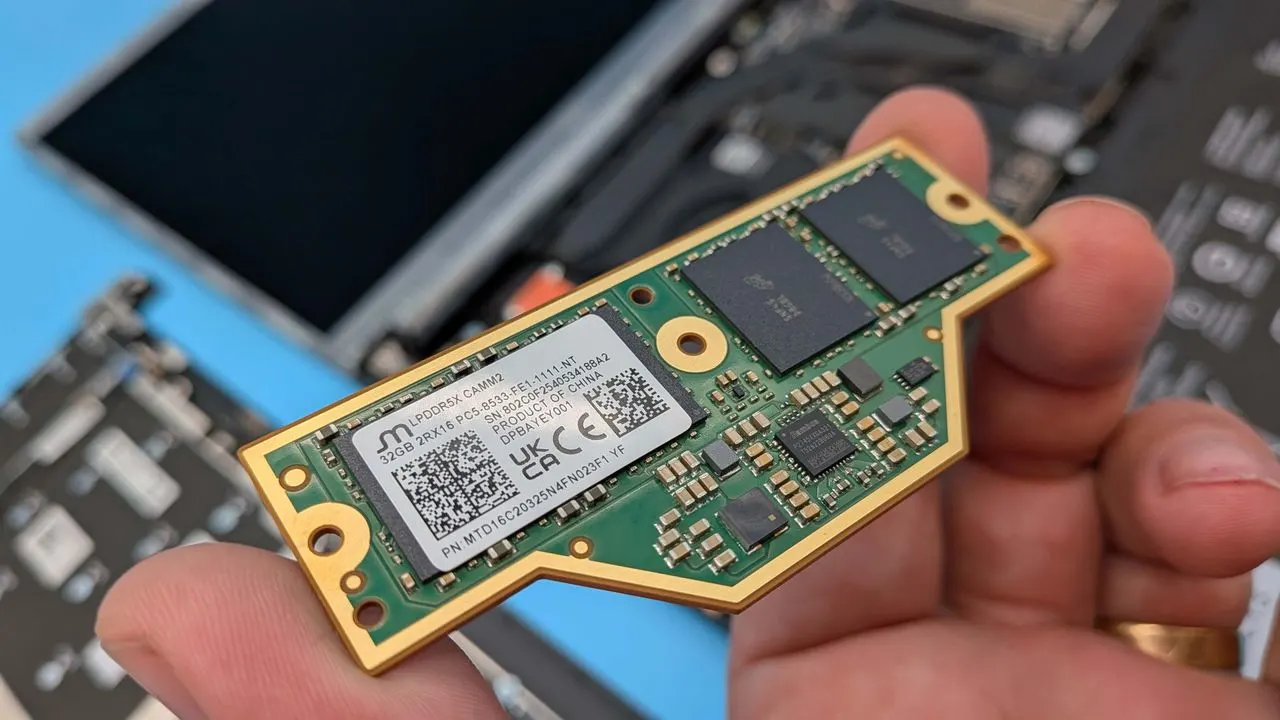
Framework, the company known for repairable, modular laptops, is bucking the current trend of soaring RAM prices by retroactively cutting the cost of its LPCAMM2 memory modules. While memory manufacturers worldwide have been hiking prices sharply amid what's been dubbed a "RAMpocalypse", driven by surging demand for AI hardware and constrained supply, Framework has moved in the opposite direction, lowering prices even for customers who had already ordered. This matters because most PC component makers and system builders have been passing rising memory costs straight on to consumers, making Framework's move a notable outlier that could earn it goodwill among buyers of its laptops and DIY-style upgrade kits.
The price cuts apply to Framework's LPCAMM2 memory modules, a compact, socketed RAM standard the company has championed as an alternative to soldered laptop memory, and the reduction is being applied retroactively, meaning existing orders benefit as well as new ones. The move stands in contrast to the wider market, where LPCAMM2 and other RAM formats have seen steep price increases in recent months due to supply shortages and heavy demand from AI data centre buildouts, which have squeezed availability for regular consumers.
In short
- Framework cuts LPCAMM2 RAM prices, even retroactively for past orders.
- Move contrasts with industry-wide RAM price surges dubbed the "RAMpocalypse".
- AI-driven demand and supply shortages are pushing memory prices up elsewhere.
Explained simply
Laptops need memory, usually called RAM, to handle the information their programs are using. Many manufacturers build this memory into the laptop, while Framework makes repairable computers with parts that can be replaced or upgraded.
Framework uses LPCAMM2, a compact type of memory that plugs into a socket inside the laptop. Its price changes matter to people buying a Framework laptop or a memory upgrade, especially when shortages and strong demand from AI data centres have pushed up memory costs across the market.