World news and discussion on TalkFuse.
Google-backed satellites for wildfire detection launch as smoke chokes US, Canada
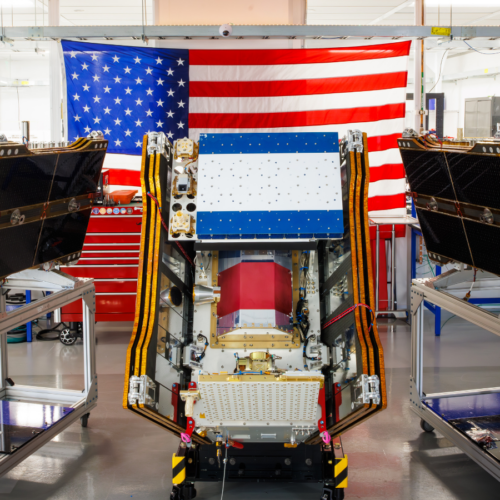
The first three operational satellites in Google-backed FireSat programme launched successfully on 7 July 2026, coinciding with heavy smoke from wildfires spreading across Canada and the United States. Managed by the nonprofit Earth Fire Alliance, the constellation is the first satellite system purpose-built for wildfire detection and will begin actively supplying data to fire agencies after a three-month testing period, covering fire-prone regions worldwide at least twice daily.
The microsatellites, built by Muon Space and launched via a SpaceX Falcon 9 from Vandenberg Space Force Base, use multispectral imaging to detect fires as small as five by five metres through smoke and cloud, a capability proven by an earlier test satellite. Early adopters including agencies in California, Colorado, Australia and Portugal will use the data this year, with full global hourly coverage planned by 2029 and 20-minute revisits once more than 50 satellites are deployed by the early 2030s; the Earth Fire Alliance projects this could save over $1 billion in damage and protect 3,500 homes. However, critics note the irony that the AI systems Google plans to pair with FireSat data rely on power-hungry data centres increasingly fed by new gas plants, which could emit over 129 million tons of greenhouse gases annually.
In short
- FireSat's first three operational satellites launched on 7 July 2026
- System can detect fires as small as five by five metres
- Full 50+ satellite constellation expected to give 20-minute global coverage by early 2030s
Steelman: both sides, in good faith
The strongest fair case each way — we don't pick a winner.
The case for
The FireSat constellation represents a breakthrough in wildfire detection technology that will enable faster emergency response and could save thousands of lives and billions in property damage. Early evidence shows the satellites can detect fires as small as five by five metres through smoke and cloud, providing a capability that ground-based systems cannot match. The immediate, tangible benefits of protecting communities from devastating wildfires justify investment in this infrastructure, and these satellites operate efficiently in space rather than relying on fuel-hungry ground systems.
The case against
Critics raise a legitimate concern about the overall environmental cost of this system. Whilst the satellites themselves provide real benefits, Google's plan to pair them with AI systems powered by massive data centres increasingly reliant on new natural gas plants creates a troubling paradox: using technology to fight wildfires whilst simultaneously expanding the fossil fuel infrastructure that contributes to the climate conditions driving increasingly severe fire seasons. The projected 129 million tons of annual greenhouse gas emissions from these power plants could undermine the environmental gains the satellite system aims to achieve.
Explained simply
Wildfires spread rapidly across large areas and cause billions of pounds in damage and loss of life around the world each year. Detecting fires early is crucial, because it allows firefighting agencies to respond quickly and contain them before they spread. A new satellite system called FireSat has been developed by the nonprofit Earth Fire Alliance with backing from Google to detect wildfires from space and provide that information to fire agencies globally—the first satellite system designed exclusively for this purpose.
The satellites use specialised cameras to spot fires as small as five by five metres, even when smoke or clouds are blocking the view. Three operational satellites have recently launched and are currently being tested, with more to be added gradually over the coming years.
Eventually, the network will cover the entire world and check fire-prone regions every twenty minutes. Fire agencies in places like California, Colorado, Australia and Portugal will start using the data this year. The Earth Fire Alliance estimates that once the system is fully operational in the early 2030s, it could save over a billion pounds in damage and protect thousands of homes.
Americas Space Technology World