Technology news and discussion on TalkFuse.
Google Earth’s AI makeover survives one trip around the Sun
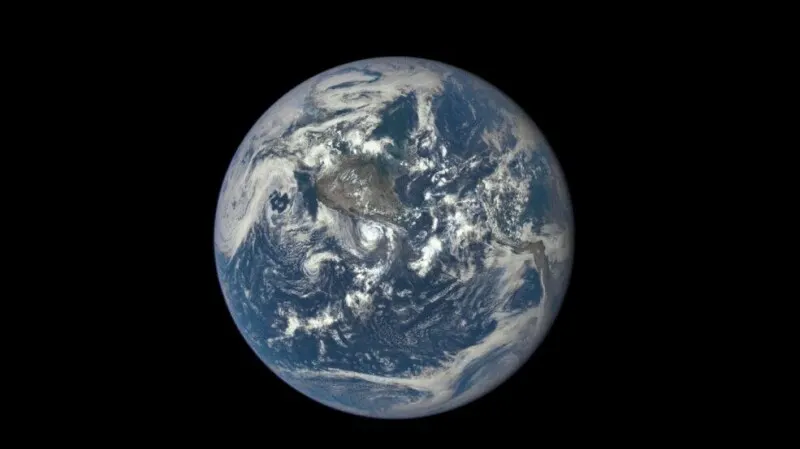
Google launched an AI image generation feature in Google Earth using its "Nano Banana" model, allowing users to prompt-edit satellite imagery of real-world locations, only to roll it back less than 48 hours later after people began generating and sharing manipulated images that appeared to breach its policies. The episode matters because it undermined trust in a platform widely relied upon as an accurate visual record of the physical world, and drew criticism that Google should have anticipated the misuse given AI image tools' known potential for spreading misinformation.
The feature let users zoom into any location, click "Create Image," and enter a prompt to alter the satellite view, with Google promoting benign examples such as animal resorts and restored ancient ruins. Critics, including misinformation expert Henk van Ess, questioned the decision given Google's own acknowledgement that people "uniquely trust" Google Earth as a reliable source, drawing comparisons to Microsoft's 2016 Tay chatbot debacle as a cautionary precedent. Google said the images were watermarked as AI-generated, but has only paused the feature while developing stronger safeguards, rather than cancelling it outright.
In short
- Google added AI image editing to Google Earth via Nano Banana model.
- Users misused it to create misleading satellite imagery within days.
- Google paused the feature to build stronger guardrails, not scrapped it.
Steelman: both sides, in good faith
The strongest fair case each way — we don't pick a winner.
The case for
Google attempted to add useful functionality to a popular platform with watermarks intended to identify AI content, and when problems emerged, responsibly paused rather than defend a flawed approach. Innovation in AI inherently involves iteration and learning from real-world use; the feature itself is not fundamentally problematic, merely requiring stronger guardrails during development. Organisations that never experiment with emerging technologies rarely deploy AI responsibly at scale.
The case against
Google launched a feature for manipulating satellite imagery despite knowing that people 'uniquely trust' Google Earth as an accurate visual record and that AI tools are vulnerable to rapid misuse. When the feature was exploited within 48 hours, it revealed that pre-launch safeguards were inadequate for technology directly threatening the platform's foundational credibility. More thorough vetting before launch would have been more responsible than experimenting at the cost of user trust.
Explained simply
Google Earth lets people view satellite images of places around the world and is often used as a visual reference for what those places look like. Google added a tool that let users ask an AI model to change those images, such as by adding features to a landscape.
AI-generated images can look convincing, even when they show things that are not real. That raises questions about how people can tell altered images from records of actual places, especially on a service many users regard as reliable.
The episode also recalls earlier problems with technology released before its risks were fully addressed, including Microsoft’s Tay chatbot, which produced offensive posts after users interacted with it. Google said the images carried an AI label and paused the tool while it works on stronger safeguards.
AI Art Culture Geopolitics Politics Technology