Technology news and discussion on TalkFuse.
Google Fi adds automatic carrier switching to improve mobile reception
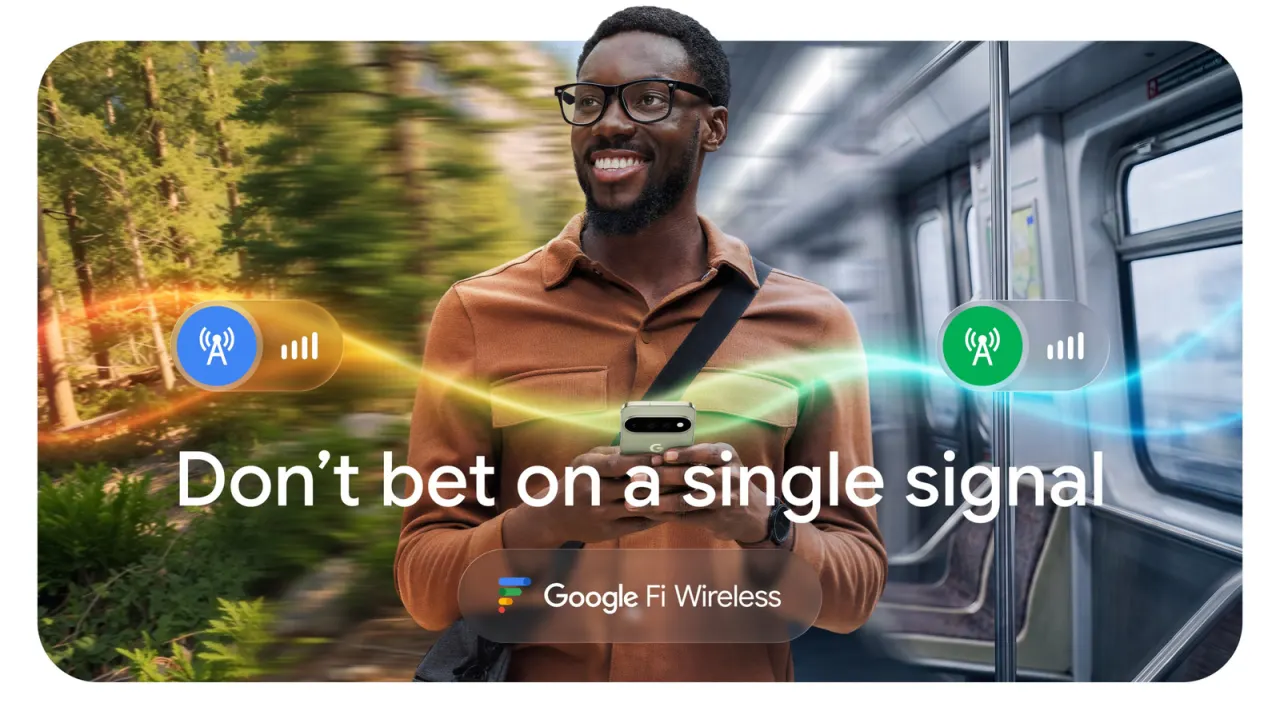
Google Fi is launching Super Network, which can switch compatible phones between two mobile carriers when it detects a sluggish connection. The feature aims to improve speeds and reception in congested areas or dead zones, and is included at no extra cost for customers on eligible plans.
The rollout starts on Pixel 9 and newer phones with eSIMs, with wider availability planned for 2027. Wi-Fi Auto-Connect+ will also move supported phones onto encrypted Wi-Fi where available, including in some indoor locations; both features are intended to work in more than 200 destinations. Google Fi has not named the carriers involved, and is also introducing an in-app AI support agent while retaining access to human support.
In short
- Super Network switches between carriers when mobile service slows.
- Eligible Unlimited Premium and Flexible customers pay no extra.
- Wi-Fi Auto-Connect+ and AI support are also being introduced.
Steelman: both sides, in good faith
The strongest fair case each way — we don't pick a winner.
The case for
Automatic switching between carriers could give customers more reliable coverage and faster service in congested areas or dead zones, without an extra charge for eligible plans. Encrypted Wi-Fi connections may also improve indoor reception, while keeping human support available offers a route to help when the new AI agent cannot resolve a problem.
The case against
The benefits are difficult to assess while Google Fi has not named the carriers involved or clarified how switching will work in practice; coverage may still vary by location and compatible device. The initial eSIM and Pixel 9-or-newer limits exclude many customers, and reliance on automated network switching and AI support may leave some wanting clearer control or more direct assistance.
Explained simply
Google Fi is a mobile phone service run by Google. Like other mobile networks, it relies on carrier networks to connect phones to calls and mobile data; reception can vary with location, nearby buildings and how many people are using a network.
Some phones can use an eSIM, a digital version of a SIM card, and newer phones can connect to Wi-Fi as well as mobile networks. These options matter because switching connections may help people stay online in places where one signal is weak, though performance depends on the networks and Wi-Fi available.
Mobile services often work with other carriers to extend coverage, but the networks involved and the terms of access can vary. The changes are relevant to Fi customers who travel or use their phones in busy areas and buildings, where reliable reception can be difficult.
Read the full article at the source →
Originally published by Engadget as “Google Fi announces super network automatic carrier switching for improved speed and reception”.