Google tests whether satellites can power data centres in orbit
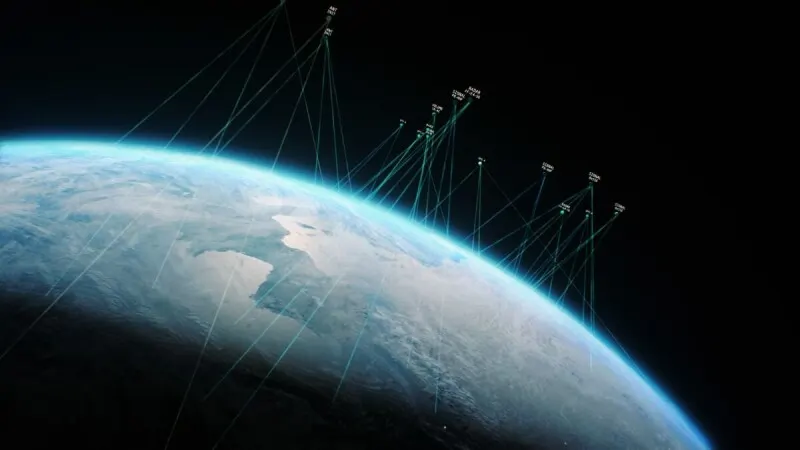
Google has launched its first Suncatcher satellite to test whether its tensor processing units can operate through launch and in space. The project explores whether abundant solar energy could make orbital data centres economically viable, but Google’s research stresses that major cost and engineering hurdles remain.
Google estimates launch costs would need to fall to about $200 per kilogram for the annual cost of power in space to approach terrestrial levels. It says that price may be plausible if SpaceX continues reducing launch costs, a scenario requiring roughly 370,000 tonnes of additional launched mass, or around 1,800 successful Starship launches, alongside extensive component reuse. The research also identifies unresolved needs in satellite networking, close formation flying, integrated hardware and optical links to Earth; NASA’s TBIRD mission has demonstrated 200 Gbps communications between low Earth orbit and the ground.
- Google has launched its first Suncatcher satellite.
- Orbital data centres may need launch costs near $200 per kilogram.
- Networking and satellite design challenges remain unresolved.
New here? Start with this
Data centres are vast facilities filled with computers and servers that power everything from search engines to cloud storage. They consume enormous amounts of electricity, making the cost of power one of their biggest operating expenses.
Space offers a potential advantage for providing that power: satellites in orbit receive sunlight continuously, unobstructed by clouds or the Earth's rotation, meaning they could harvest solar energy efficiently. Some organisations, including Google, are exploring whether computer servers could operate successfully in space and be powered by this abundant solar energy.
If viable, orbital data centres could reduce power costs significantly and help meet growing demand for computing. However, the idea faces major challenges: launching the enormous infrastructure required into space remains extremely expensive, and the necessary technology for networking and communicating between orbital and ground-based systems is still under development.
Celebrity Entertainment Research Science Space Technology
Read the full article at the source →
Originally published by The Register as “Google launches first datacenter satellite and research that finds orbiting bit barns can work”.