Google invests €13bn to build Finnish AI data centres with nuclear power
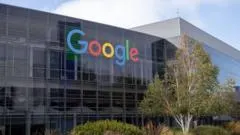
Google has announced a €13bn (£11bn; $15bn) investment in Finland, its largest single investment in Europe, to expand the country's AI infrastructure. The package will fund three new data centres, expand an existing site, and secure clean energy supplies, including a 22-year deal to buy up to half the output of the Loviisa nuclear power plant, reflecting how tech firms are racing to lock in power sources as AI demand surges.
Under the agreement with Finnish utility Fortum, Google will purchase up to 50% of Loviisa's electricity, a plant that currently supplies about 10% of Finland's power; the deal will also help fund life-extension and capacity upgrades at the station. New data centres are planned for Kajaani, Muhos and Vaala, alongside expansion of Google's existing Hamina facility, with construction due in 2027-2028. Google says the investment will support more than 37,000 jobs and add €3.6bn a year to Finland's GDP, coming just days after TikTok unveiled a separate $1bn data centre investment in Kouvola, underlining Finland's growing appeal for its cold climate, clean energy and stable power grid.
In short
- Google to invest €13bn in Finnish AI data centres and energy projects
- Deal includes buying up to 50% of Loviisa nuclear plant's output
- Investment expected to create 37,000+ jobs and boost GDP by €3.6bn/year
Steelman: both sides, in good faith
The strongest fair case each way — we don't pick a winner.
The case for
The investment could bring Finland substantial economic benefits through construction, skilled jobs, tax revenue and new infrastructure, while strengthening its position in the growing AI sector. Long-term demand from Google may also help finance upgrades that extend Loviisa’s operating life and provide a stable market for low-carbon nuclear power.
The case against
The scale of the project raises questions about whether scarce electricity and public infrastructure will increasingly serve large technology firms rather than households and other industries. Critics could also argue that locking in nuclear output for decades carries economic and environmental risks, and that the promised jobs and GDP gains may not fully capture the project’s effects on energy prices, emissions or local communities.
Explained simply
AI services need large data centres: buildings full of computers that store and process information. These facilities use substantial amounts of electricity, so technology companies are seeking reliable power supplies as demand for AI grows.
Google is a US technology company, and Fortum is a Finnish energy company that operates the Loviisa nuclear power plant. Finland’s appeal to data centre operators includes its cool climate, access to low-carbon electricity and established power grid.
The investment links digital infrastructure with Finland’s energy system and economy. It also reflects a wider question for countries attracting data centres: how to provide the electricity they require while balancing other demands for power.
Americas Business Economy Europe Technology World
Read the full article at the source →
Originally published by BBC Technology as “Google picks Finland for its largest single investment in Europe”.