Entertainment news and discussion on TalkFuse.
Google smacks forehead, realizes $899+ thin-and-lights were what it was missing
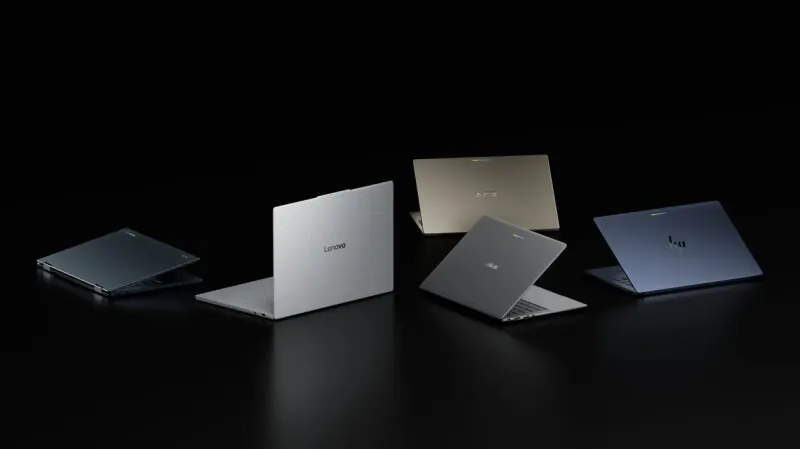
Google has unveiled five premium "Googlebook" laptops developed with Dell, HP, Lenovo, Acer, and Asus, starting at $899, representing another effort to distance itself from Chromebooks' budget reputation. The company is targeting consumers considering Apple MacBooks by emphasising premium build quality with materials such as aluminium and carbon fibre, high-resolution touchscreens, and potent processors.
The devices feature Intel Core Ultra 5 or Qualcomm Snapdragon X Elite processors paired with 16 GB of RAM and 512 GB of storage as standard. The $899 starting price applies only to one Acer model; most competitors reach $1,299. Google quotes 14 hours of battery life and includes cross-device features and Gemini AI integration. However, significant software constraints remain: users are largely limited to browser-based applications and Android apps, meaning desktop software such as Adobe Photoshop would operate only as web applications rather than native programs.
In short
- Google launches premium $899+ Googlebooks to rival MacBooks with Intel or Snapdragon processors
- Standard specs: 16GB RAM, 512GB storage, 14-hour battery, cross-device features
- Software limited to browser and Android apps; desktop applications unavailable natively
Steelman: both sides, in good faith
The strongest fair case each way — we don't pick a winner.
The case for
Premium Googlebooks could offer people a well-built, long-lasting laptop with strong specifications and useful Google services, while giving them a simpler, more secure alternative to a conventional computer. For buyers whose work already happens in a browser or Android apps, the lower entry price and cross-device features may make the trade-offs worthwhile.
The case against
At prices approaching those of established premium laptops, Googlebooks may be hard to justify when their software limits access to native desktop applications such as Photoshop. Buyers who need specialised programs or want broad flexibility may reasonably prefer a MacBook or another full-featured laptop, even if the Googlebooks have appealing hardware and integration.
Explained simply
Chromebooks are laptops built around Google’s ChromeOS, a system designed mainly for web browsing and online services. They are often associated with lower prices and simpler hardware, while MacBooks and Windows laptops commonly run desktop programmes as well as web and mobile apps.
Google is working with five established computer makers: Dell, HP, Lenovo, Acer and Asus. The new laptops use higher-end materials and components, and include Google services such as Gemini, its AI assistant. Their prices put them closer to premium laptops than to the budget image many people associate with Chromebooks.
The software remains a key difference: ChromeOS mainly runs web apps and Android apps, so some familiar desktop programmes may not be available as full, locally installed versions. That matters to people choosing a laptop because a premium price does not by itself determine whether it can run the software they need.