Google and Flo plan optional cycle data syncing and wellness research
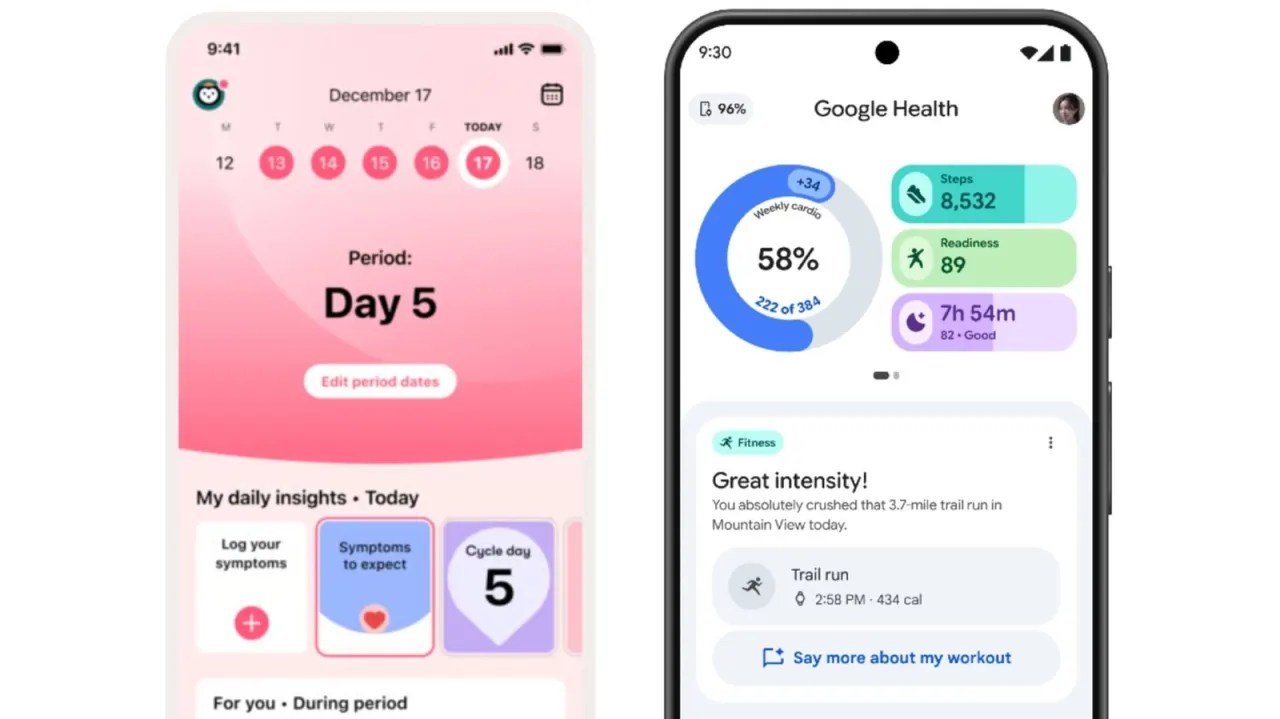
Google is partnering with menstrual health app Flo to bring cycle data into the Google Health app and explore future wellness products. The move could give users a more connected view of how menstrual cycles relate to sleep, activity and other health measures.
Data syncing is due to begin early next year and will be optional, with separate permission required for each data type and purpose. Google says Flo data will not be used for advertising, sold or shared with other apps or developers; eligible Premium subscribers can also use it with Google’s Health Coach. The companies have not detailed planned hardware, but say it may combine Flo’s health insights with Google’s wearable devices and sensors, alongside research into underserved areas of menstrual health.
- Flo cycle data will sync with Google Health from early next year.
- Sharing will be opt-in and require separate permissions.
- Google and Flo also plan research and future wellness products.
New here? Start with this
Flo is a widely used app that helps people track their menstrual cycles and understand how these cycles affect their health. Google Health is Google's platform designed to bring together health data from various apps and devices into one place. The partnership between the two companies would allow people using Flo to optionally share their cycle information with Google Health.
Being able to see menstrual cycle data alongside other health information like sleep, exercise and stress could help people recognise patterns they might otherwise miss. This kind of integration is valuable because it gives a more complete picture of how someone's body functions and how different health factors relate to each other. Users maintain control over what information is shared and for what purposes.
Menstrual health has historically received less medical research and commercial attention than many other health areas. Integrating menstrual data with other health information could help identify patterns and inform new research and products. This combination of different health datasets is becoming increasingly valued as companies develop more comprehensive health services.
Both sides, in good faith
The strongest fair case each way — we don't pick a winner.
The case for
Integrating menstrual cycle data with other health metrics could provide valuable insights into how periods affect sleep, activity, and overall wellbeing—areas historically neglected by mainstream health research. The partnership's opt-in design and stated protections against advertising use and data sharing represent a reasonable way to advance personalised health tools whilst respecting user choice. For those willing to participate, the potential benefits include better understanding of their own health patterns and contributing to research that could improve medical care for menstruating people.
The case against
Menstrual data is extraordinarily intimate and identifying, raising legitimate concerns about entrusting it to corporations with histories of data breaches and changing privacy policies. Even with current protections stated, Google's business model depends on data leverage, and past promises by tech companies regarding sensitive information have proven unreliable when circumstances shift. The power imbalance between individual users and a tech giant means consent, however formally optional, remains constrained—and the real risks to privacy and autonomy may outweigh speculative health benefits.
Art Celebrity Culture Entertainment Software Technology
Read the full article at the source →
Originally published by Engadget as “Google teams up with menstrual health tracker Flo to develop new wellness hardware and sync apps”.