Culture news and discussion on TalkFuse.
GOP election losses could scramble year-end funding fight
Developed over time first seen 2 weeks ago
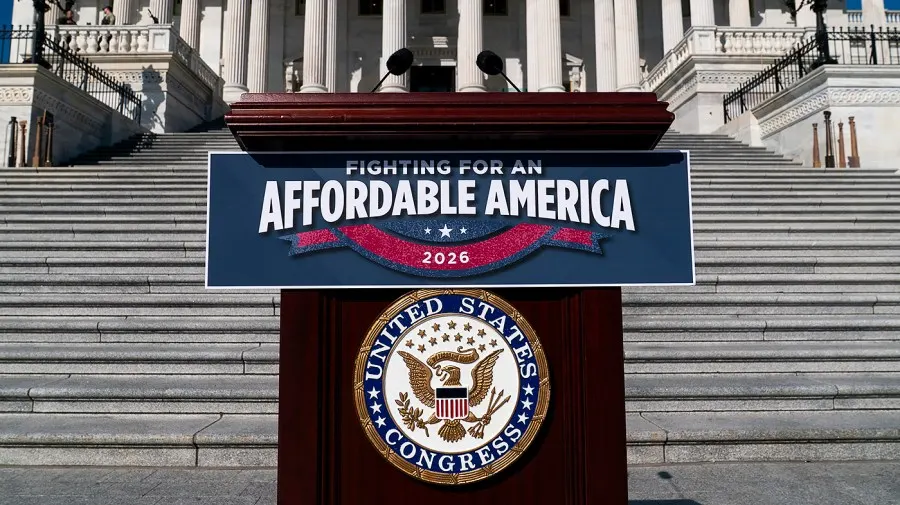
The US government is funded until 11 December, leaving Congress a short window after the midterm elections to agree on its next spending measure. Republican losses could change the calculation for both parties: Republicans would still control the current Congress until January, but might press to settle priorities before a new Congress takes office, while Democrats who gain seats could prefer to wait. The election result will therefore shape negotiations even though it will not immediately change who holds the votes.
Lawmakers could pass full-year spending bills or another temporary extension. Disputes over spending levels and the Trump administration’s control of federal funds remain unresolved, and other year-end business will compete for time. Democratic appropriator Bonnie Watson Coleman has warned that the political climate after the election could make talks difficult. A funding lapse is possible if Congress misses the deadline, but the election result alone would neither cause a shutdown nor determine whether a deal can be reached.
- Sources
- 2
- Outlets
- 2
- Left · Centre · Right
- 0 · 1 · 0
In short
- Government funding expires on 11 December.
- Republican losses could alter both parties’ incentives in the final weeks of this Congress.
- Lawmakers must agree on spending bills or another temporary extension to avoid a funding lapse.
How this story developed
- 2 weeks ago The US government is funded until 11 December, leaving Congress a short window after the midterm elections to agree on its next spending measure.
- The Hill GOP election losses could scramble year-end funding fight
- Office of Representative Bonnie Watson Coleman Rep. Watson Coleman Statement on Passage of Continuing Resolution
Steelman: both sides, in good faith
The strongest fair case each way — we don't pick a winner.
The case for
Republicans could argue that the current Congress should use its remaining time to settle spending priorities, since it still holds the votes and a temporary extension would leave difficult choices to the next Congress. Reaching agreement before January could provide agencies with greater certainty and avoid letting election uncertainty prolong negotiations.
The case against
Democrats who gain seats could argue that decisions with lasting effects should reflect the newly elected Congress, rather than be rushed through by a departing majority. A temporary extension would preserve current funding while allowing more time to scrutinise spending levels and the administration’s control of federal funds.
Explained simply
Congress controls federal spending and must approve funding for government departments and services. The current funding measure runs until 11 December, so lawmakers will need to agree what happens next. They can approve spending for the rest of the year or pass another short-term extension.
Republicans control Congress until January, when the newly elected members take office. If Republicans lose seats, they may want to settle spending plans before then; Democrats who gain seats may prefer to wait. The parties still disagree over spending levels and the Trump administration’s control of federal funds, while other business is also competing for time.
Bonnie Watson Coleman, a Democratic lawmaker involved in spending matters, has said the post-election political climate could make talks difficult. If Congress does not approve funding by the deadline, some government operations could be affected. The election result may shape the negotiations, but it does not by itself decide whether funding will lapse.
Coverage · 2 sources
Americas Art Culture Elections Government Politics World