GOP faces brutal midterm headwinds as Republicans paint election as ‘competition with communism’
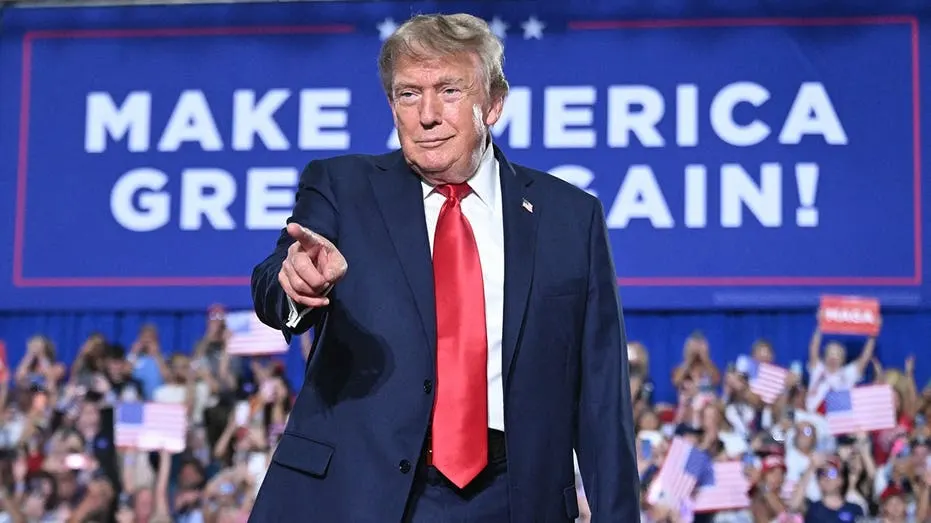
Republicans are holding their first-ever midterm convention in Dallas this week, aiming to energise the party's base ahead of November's elections that will decide control of Congress. President Trump and Vice President JD Vance are set to headline the two-day event, which comes as the GOP defends narrow House and Senate majorities against a backdrop of Trump's weak approval ratings, persistent inflation and an unpopular war with Iran, all of which give Democrats an opening despite their own unpopularity.
Republican leaders, including House Speaker Mike Johnson, plan to use the convention to frame the election as a "contrast" against a Democratic Party they say has shifted towards socialism, pointing to recent primary wins by left-wing candidates as evidence. Democrats, led by DNC Chair Ken Martin, are confident of retaking power, while RNC Chair Joe Gruters insists Republicans can "defy history" and hold their majorities. Polling cited in the article shows three in four voters report financial hardship from inflation and 54% expect the economy to worsen, underscoring the economic headwinds facing the incumbent party.
In short
- GOP holds first-ever midterm convention in Dallas, headlined by Trump and Vance
- Republicans plan to brand Democrats as socialist to rally voters
- Inflation, war concerns and Trump's approval ratings threaten GOP majorities
Steelman: both sides, in good faith
The strongest fair case each way — we don't pick a winner.
The case for
Republicans can argue that the election is a choice between competing economic and political visions, and that voters concerned about inflation or government spending should weigh the risks of Democratic policies they see as moving towards socialism. The convention gives the party a chance to rally supporters, make that contrast clear and argue that its record or proposals deserve more time, despite difficult polling and the costs of incumbency.
The case against
Democrats can argue that voters should judge the party in power on current conditions: persistent inflation, widespread financial strain and an unpopular war give them reason to seek a change in congressional leadership. They may also contend that portraying the election chiefly as a warning about socialism distracts from those concerns, while Republicans’ narrow majorities and the president’s weak approval ratings make holding control a harder case to sustain.
Explained simply
Midterm elections take place halfway through a US president’s four-year term. Voters choose all 435 members of the House of Representatives and about a third of the Senate, and the results determine which party controls Congress and can shape legislation and government oversight.
The Republican Party, or GOP, currently holds narrow majorities in both chambers, so it has little room to lose seats. President Donald Trump and his party face public concerns about the cost of living and the economy, while Democrats are seeking to regain control of Congress.
Republican leaders say they will present the contest as a choice between their party and a Democratic Party they describe as moving towards socialism. Democrats dispute that framing and argue they can win back seats; both parties’ fortunes will depend on voters’ views of their candidates and the issues that matter to them.
Business Economy Elections Government Politics World