GOP heads to Supreme Court after losing case over TV election ad prices
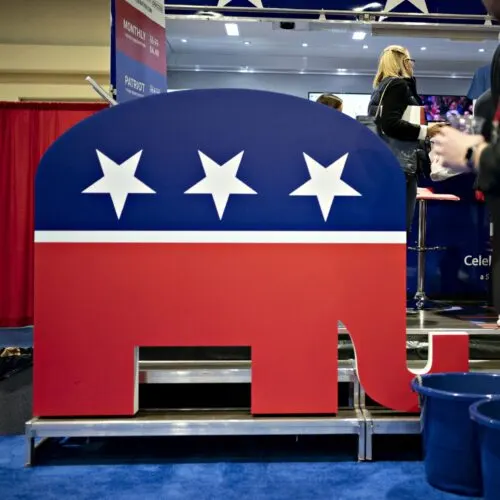
Republican campaign committees are preparing an emergency appeal to the US Supreme Court after a federal appeals court blocked an FCC order that would have required broadcast television stations to give political parties and joint fundraising committees the same lowest advertising rates available to individual candidates. The dispute matters because it could substantially affect the cost and volume of television election advertising ahead of the forthcoming election period.
US law grants candidates the “lowest unit charge” during the 60 days before an election, with this year’s period beginning on 4 September, but the Fourth Circuit ruled that extending the discount to parties and fundraising committees conflicts with the law’s wording. Republicans argue that campaigns need urgent certainty while contracts and adverts are being finalised; opponents, including FCC Democrat Anna Gomez, warn the change could channel more coordinated campaign money into broadcast advertising and worsen broadcasters’ financial pressures.
New here? Start with this
US law requires broadcast television stations to offer candidates their lowest advertising rates during the 60 days before an election. Political parties and joint fundraising committees, which raise money for candidates, have generally not had the same guarantee.
The Federal Communications Commission regulates broadcasters and political advertising. The dispute centres on whether it can extend the candidate discount to parties and fundraising committees, and how that fits with the law passed by Congress.
The rules could affect how much campaigns pay to reach voters on television, as well as broadcasters’ advertising income. The issue matters to political groups planning election adverts and to stations that sell the airtime.
Both sides, in good faith
The strongest fair case each way — we don't pick a winner.
The case for
Extending the lowest rates to party committees and joint fundraising groups could make political advertising more affordable and help campaigns communicate with voters during a crucial period. Republicans argue that clear rules are needed quickly, while adverts and contracts are being arranged, so campaigns can plan on equal terms.
The case against
The law grants the lowest rates to individual candidates, and the appeals court concluded that extending them to parties and fundraising committees goes beyond its wording. Opponents also argue that the change could steer more coordinated campaign spending into broadcast advertising and add to broadcasters’ financial pressures.