Politics news and discussion on TalkFuse.
GOP lawmakers urge Rubio to weigh visa restrictions on corrupt officials as Albania rocked by protests
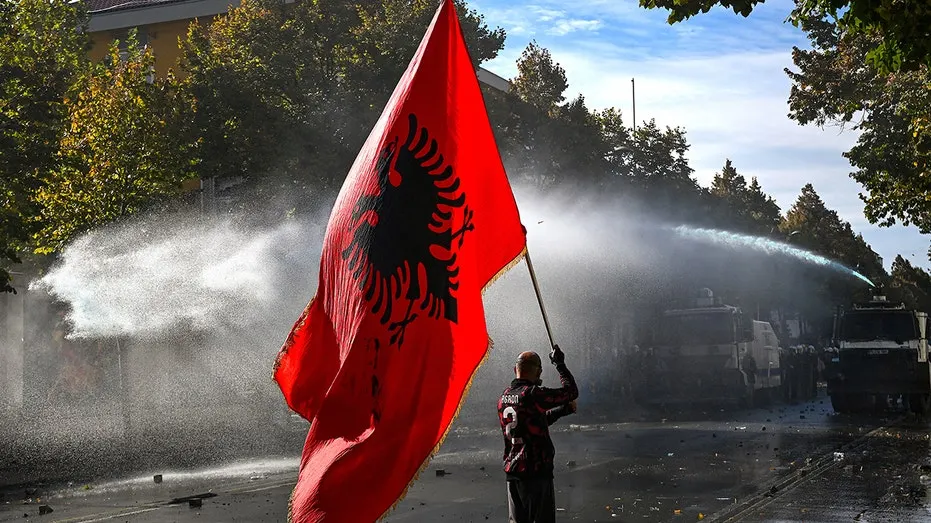
Two Republican US lawmakers have urged Secretary of State Marco Rubio to consider visa restrictions on Albanian officials credibly linked to significant corruption. Their letter says Albania’s democratic institutions and rule of law are at risk, and argues that shielding officials from investigation undermines US-backed justice reforms and the country’s EU accession path.
Representatives Joe Wilson and Keith Self also requested answers by 5 November on US support for justice reforms, the protection of protesters and journalists, and the case against former deputy prime minister Belinda Balluku. Prosecutors sought to lift her parliamentary immunity over alleged interference in road construction procurement, but parliament has not allowed her arrest to proceed. Meanwhile, protests in Tirana demanding Prime Minister Edi Rama’s resignation have spread amid corruption allegations and other public grievances, with clashes between demonstrators and police.
In short
- Two US Republicans called for consideration of visa restrictions on corrupt Albanian officials.
- Their letter raises concerns about democratic backsliding and justice reforms.
- Protests in Tirana have called for Prime Minister Edi Rama to resign.
Steelman: both sides, in good faith
The strongest fair case each way — we don't pick a winner.
The case for
Supporters of visa restrictions argue that credible, targeted measures could hold officials accountable when domestic institutions fail to investigate serious corruption. They say this would reinforce US-backed justice reforms, protect Albania’s democratic institutions and help sustain public confidence in the country’s path towards EU membership.
The case against
Those urging caution could argue that restricting visas on allegations risks appearing to prejudge cases and could weaken trust in due process. They may also contend that public pressure from Washington could inflame political tensions or complicate Albania’s own reforms, which are more durable when pursued through independent domestic institutions.
Explained simply
Albania is a parliamentary democracy in south-east Europe, and its government is led by Prime Minister Edi Rama. The country has been seeking to join the European Union, which requires progress on issues including the rule of law and tackling corruption.
Belinda Balluku, a senior figure in Rama’s Socialist Party, served as deputy prime minister. Albanian prosecutors have accused her of interfering in public road-building contracts and asked parliament to lift her immunity, which limits when lawmakers can be arrested or prosecuted; the allegations have not been proven.
The United States has supported reforms to Albania’s justice system, while EU membership talks have also put pressure on the country to strengthen its institutions. Visa restrictions are one tool the US can use to limit travel by foreign officials, and debate over accountability has become part of wider public discontent in Albania.
Americas Europe Government Politics World