World news and discussion on TalkFuse.
GOP lawmakers urge Supreme Court to strengthen First Amendment protections for street preachers
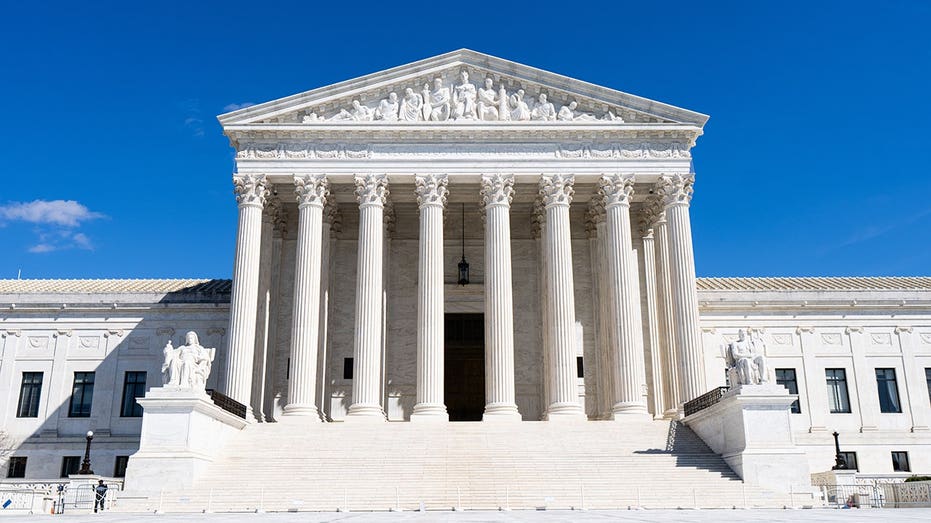
Two House Republicans, Nathaniel Moran of Texas and Glenn Grothman of Wisconsin, have urged the US Supreme Court to hear a case concerning Christian evangelist Richard Hershey. They argue that police officers should not be protected from liability by qualified immunity when they commit clear First Amendment violations, a decision that could affect protections for religious and political speech in public places.
Hershey was stopped by police and security staff while handing out Christian vegetarian pamphlets near Bossier City Arena in Louisiana in February 2020, and says he was threatened with arrest. He later sued five officers, but both a federal district court and the Fifth Circuit Court of Appeals found that the officers had qualified immunity. His supporters say different federal appeals courts apply the doctrine differently and that Supreme Court intervention is needed to clarify officials’ accountability under Section 1983.
In short
- Republicans back Supreme Court review of street-preacher case.
- Evangelist was stopped from leafleting on a Louisiana public sidewalk.
- Case centres on police qualified immunity and First Amendment rights.
Steelman: both sides, in good faith
The strongest fair case each way — we don't pick a winner.
The case for
The lawmakers’ position is that clear First Amendment violations should carry meaningful accountability, even when committed by police, so qualified immunity does not leave people without a remedy for public religious or political speech. Supreme Court review could also clarify inconsistent lower-court rulings and give officials and the public a more predictable standard.
The case against
Qualified immunity is intended to protect officials from personal liability when the law was not clearly established, allowing them to carry out their duties without constant fear of litigation. Those who favour retaining it may argue that courts should assess the specific circumstances of each encounter and that changing the standard in this case could expose officers to costly suits over uncertain rules.
Explained simply
Qualified immunity is a legal doctrine that shields police officers from being sued for damages unless they violate rights that courts have already clearly defined. Christian evangelist Richard Hershey claims he was unlawfully stopped and threatened with arrest whilst handing out religious pamphlets near an arena in Bossier City, Louisiana in February 2020. He sued the officers involved, but courts at two levels ruled that the officers had qualified immunity and dismissed his case.
The legal issue at stake is whether courts are too lenient in granting qualified immunity to police. Different federal appeals courts interpret when an officer has violated a "clearly established" right, creating inconsistency across the country. Two House Republicans have urged the Supreme Court to hear Hershey's case and potentially tighten the standard, making it harder for officers to claim immunity when accused of clear First Amendment violations.
The case matters because it could affect how strongly the law protects religious preaching and other public speech. Section 1983, a law that allows citizens to sue government officials for constitutional violations, has become difficult to use against police when qualified immunity applies. A Supreme Court ruling could clarify when officers are genuinely accountable for suppressing speech in public spaces.