GoPro merges with Starman Optical to target AI data centres
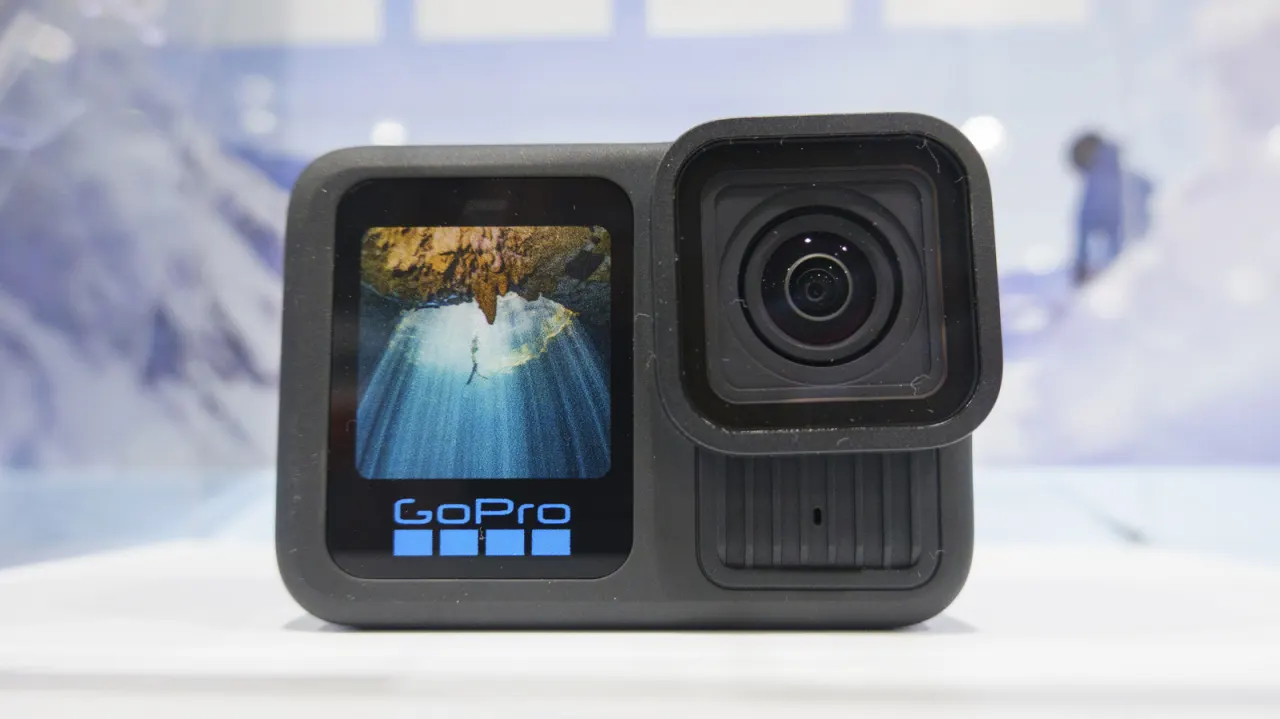
GoPro is diversifying away from its core action-camera business by merging with optical-photonics firm Starman Optical, pivoting the company towards the booming AI data centre market. As part of the deal, GoPro shareholders will receive $285 million and retain roughly a 10 percent stake in the combined business, which will remain publicly listed. The move mirrors a wider trend of established consumer brands, such as shoemaker Allbirds, unexpectedly repositioning themselves around AI infrastructure demand.
Alongside the $285 million payout, GoPro's roughly $92 million in outstanding debt will be settled as part of the transaction, which still needs shareholder and regulatory approval and is expected to close by the end of 2026. The enlarged company plans to keep making GoPro's cameras and running its subscription and cloud services, while adding Starman's optical transceivers to expand into AI infrastructure, alongside new pushes into defence, government, robotics and aerospace. GoPro, once valued at $4 billion on its 2014 stock market debut, has seen its share price struggle in recent years, though it recently rose after YouTuber Markiplier (Mark Fischbach) became its largest individual shareholder with an 8.5 percent stake.
- GoPro to merge with Starman Optical, pivoting into AI data centres
- Shareholders get $285 million and keep about 10% ownership
- Deal also expands GoPro into defence, robotics and aerospace
New here? Start with this
GoPro is best known for its small cameras used to film sport and other action. Starman Optical makes optical transceivers, devices that use light to move data between computers and equipment in data centres.
Data centres house the computer systems that power online services and artificial intelligence. As demand for AI computing grows, companies are investing in equipment that can move large amounts of data quickly, including optical technology.
The planned combination would bring GoPro’s camera and subscription businesses together with Starman’s optical products, while also pursuing work in areas such as defence, robotics and aerospace. It reflects a wider shift by some established consumer companies towards supplying technology and equipment for AI infrastructure.
Both sides, in good faith
The strongest fair case each way — we don't pick a winner.
The case for
The merger could give GoPro a route into faster-growing markets while bringing in Starman’s optical technology, easing GoPro’s debt burden and preserving its cameras and subscription services. Shareholders would receive $285 million and retain a stake in the combined company, which could benefit if demand for AI data-centre equipment and the other new markets grows.
The case against
The deal would redirect GoPro towards markets far from its established consumer business, where it has less experience and would face unfamiliar competition and execution risks. Shareholders would give up most of their ownership for a fixed payout, while the promised diversification may not deliver lasting value; the transaction also depends on shareholder and regulatory approval.
AI Art Business Companies Culture Technology
Read the full article at the source →
Originally published by Engadget as “GoPro says it’s moving into AI data centers as part of a $285 million merger”.