World news and discussion on TalkFuse.
GOP’s midterm defeat sparks bold claims from foreign leaders who’ve clashed with Trump
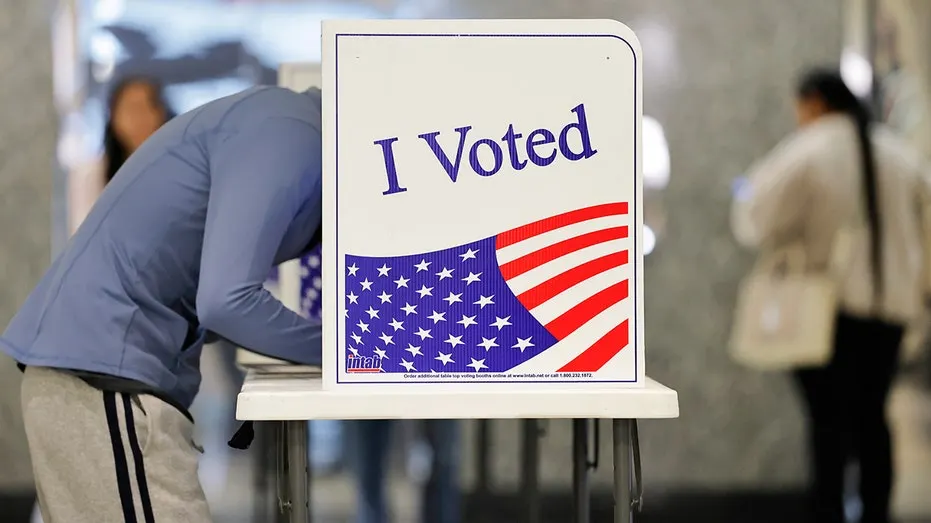
Democrats won majorities in both houses of Congress in the midterm elections, prompting foreign leaders who have clashed with President Donald Trump to welcome the result or suggest it could change US policy. Their reactions focused on issues including the cost of living, the conflict in the Middle East, support for Ukraine, climate policy and relations with allies.
Spain’s Pedro Sánchez said voters had rejected policies he associated with poverty, hate and climate denial; European Parliament Vice-President Christel Schaldemose said the result might help Ukraine and the green transition. British Prime Minister Andy Burnham called for cooperation to ease living costs and resolve the Middle East conflict, while Iranian parliament speaker Mohammad Baqer Ghalibaf framed the result as opposition to war. Japan’s chief cabinet secretary, by contrast, stressed that the Japan-US alliance remained central to Japan’s security.
In short
- Democrats won majorities in both houses of Congress.
- Foreign leaders linked the result to possible shifts in US policy.
- Reactions centred on living costs, war, Ukraine and climate policy.
Steelman: both sides, in good faith
The strongest fair case each way — we don't pick a winner.
The case for
Supporters of the foreign leaders’ reactions could argue that the election result is a meaningful signal from US voters and may give Congress more influence over policy on living costs, climate, Ukraine and the Middle East. Welcoming it can express solidarity with shared priorities and encourage cooperation with allies, while Japan’s emphasis on alliance continuity shows that political change need not unsettle longstanding security ties.
The case against
A strong case for caution is that a midterm result does not by itself establish voters’ views on every issue or guarantee a change in US policy, which also depends on the president and the new Congress. Foreign leaders who present it as validation of their own positions risk overstating what the result means; maintaining steady relations and focusing on practical cooperation may better serve their countries’ interests.
Explained simply
In the United States, midterm elections choose members of Congress about halfway through a president’s four-year term. Congress has two chambers, the House of Representatives and the Senate, and its majorities can affect which laws pass and how the president’s policies are scrutinised.
The leaders mentioned have different relationships with the US and different interests in its decisions. Spain and other European voices have focused on climate policy and support for Ukraine, while Britain has raised living costs and the Middle East; Japan has emphasised its security alliance with the US. Iran’s leaders have criticised US policy in the region.
Congress can shape budgets, aid and legislation, but foreign policy also depends heavily on the president and the administration. Changes in Congress may therefore influence US choices and its dealings with allies, without guaranteeing a change in direction.
Americas Climate Elections Europe Politics Science World