Government expects Meta’s new protections for teenagers in US to apply in UK
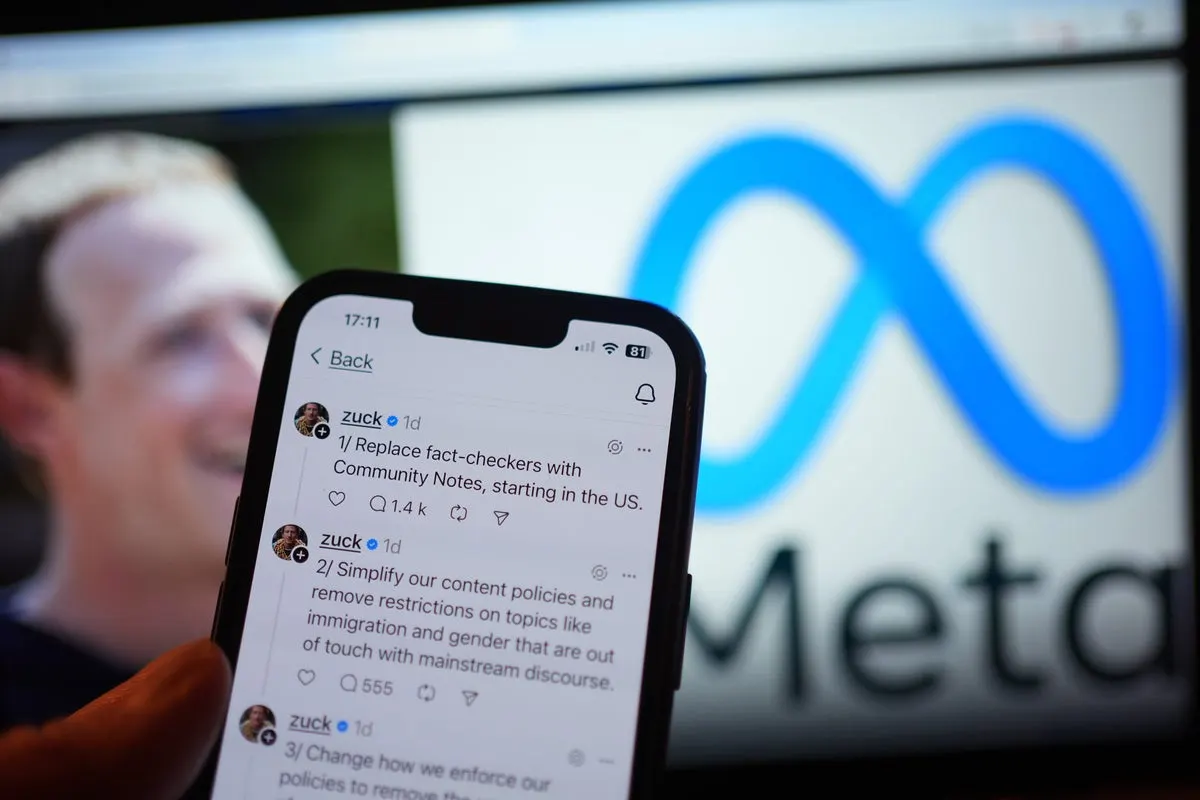
The Government expects Meta to extend to the UK new protections for teenage users that it is introducing in the United States following a major legal settlement. Work and Pensions Secretary Pat McFadden said British young people should not receive weaker safeguards than American users, while arguing that the UK will take further action itself because of concerns about addictive social-media use and mental health.
Meta, which owns Facebook and Instagram, has agreed to pay up to 18 billion US dollars (£13.3 billion) to settle claims brought by 47 US states alleging that Instagram’s design could harm children and teenagers. McFadden said the Government plans a social-media ban for young people next year and night-time curfews, alongside protections under the Online Safety Act 2023; he said these measures aim to curb endless scrolling while recognising technology’s wider benefits.
- Government expects Meta’s US teen safeguards to apply in Britain.
- Meta settled US claims for up to £13.3 billion.
- UK plans further youth social-media restrictions next year.
New here? Start with this
Meta, the company that owns Facebook and Instagram, runs social media services used by millions of teenagers. Their design and effects on young people’s wellbeing have become a focus of debate among families, governments and regulators.
In the United States, 47 states brought claims alleging that Instagram’s design could harm children and teenagers; Meta agreed to pay up to 18 billion US dollars to settle them. The UK’s Online Safety Act 2023 sets rules for online services, while ministers are also considering further limits on young people’s social media use.
The issue matters because governments are weighing how to protect teenagers from potential harms while allowing them to benefit from technology. Pat McFadden is the UK Work and Pensions Secretary, and Meta is a global company whose decisions affect users on both sides of the Atlantic.
Both sides, in good faith
The strongest fair case each way — we don't pick a winner.
The case for
Supporters argue that Meta should offer British teenagers protections at least as strong as those introduced in the United States, since the potential harms linked to addictive design and poor mental health do not stop at national borders. They contend that governments have a duty to protect children where commercial incentives may favour engagement over wellbeing, and that UK-specific measures such as age restrictions and night-time limits could reduce harmful compulsive use while retaining useful digital services.
The case against
Critics argue that importing or expanding restrictions without clear evidence of their effectiveness risks treating normal teenage online life as inherently harmful and limiting young people’s autonomy, social connection and access to information. They may also question whether blanket bans and curfews are practical to enforce, whether they intrude on family choices, and whether responsibility should instead focus on targeted product design standards, parental support and better mental-health services.