World news and discussion on TalkFuse.
Grade I interiors, gold bars, cost fears: Bank of England faces headache over £160m revamp
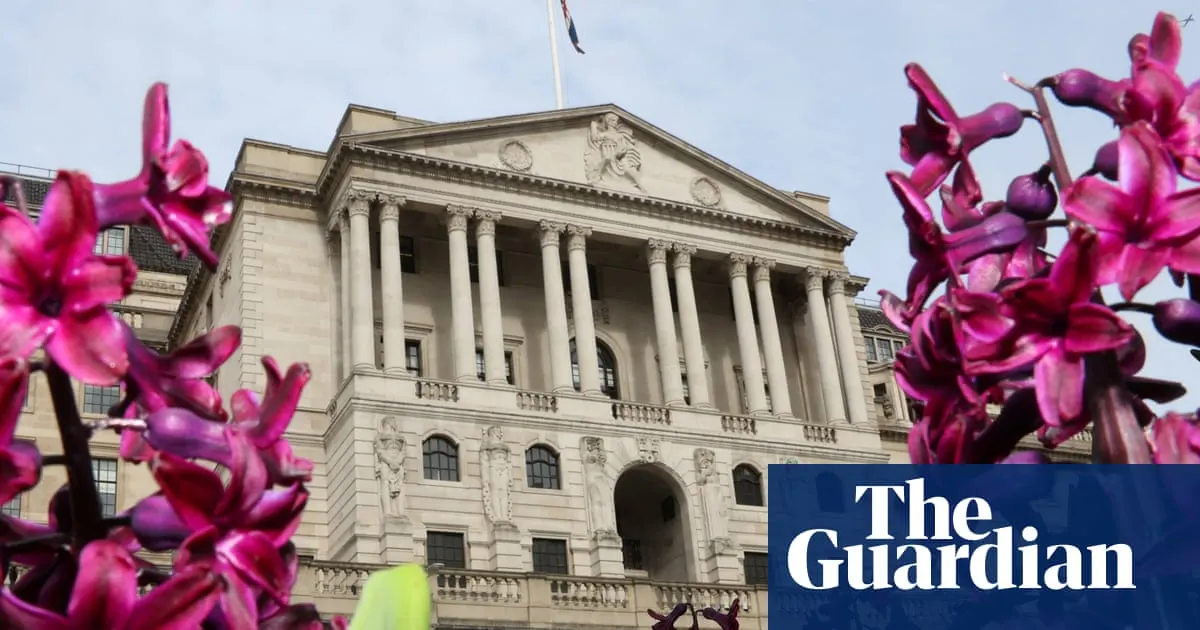
The Bank of England is undertaking a £160m refurbishment of its historic Threadneedle Street headquarters, aiming to modernise the workplace while preserving the Grade I-listed building’s distinctive interiors. The project is a test of the Bank’s ability to manage a complex construction scheme without delays or cost overruns, which could attract criticism of an institution known for managing public finances.
Work is due to begin this month, after Sir Robert McAlpine received the building contract in October. The Bank says the project will be funded through three years of savings, estimated at £100m a year, including 450 redundancies; by summer 2028, 1,400 staff based at 20 Moorgate are expected to move, leave through voluntary redundancy or take jobs in Leeds. The Bank is keen to avoid the problems seen in the US Federal Reserve’s renovation, whose budget rose from $921m to a likely $2.5bn and whose completion has slipped to December 2027.
In short
- The Bank of England is refurbishing its headquarters for £160m.
- The work must preserve Grade I-listed historic interiors.
- The Bank hopes to avoid delays and cost overruns.
Steelman: both sides, in good faith
The strongest fair case each way — we don't pick a winner.
The case for
The refurbishment can be defended as a long-term investment in a historic but working institution: modernising its headquarters may improve the workplace and help the Bank operate effectively, while careful conservation protects a nationally significant building. Funding it from planned savings could limit the need for additional public money, and the Bank’s attention to the Federal Reserve’s overruns shows the importance it places on cost control.
The case against
A £160m refurbishment is difficult to justify when it is being funded partly through 450 redundancies and other workforce changes, with staff facing disruption or relocation. The project also exposes the Bank to risks of delay and cost overruns; those risks matter especially because the institution is expected to manage public finances carefully and could weaken confidence if it fails to control its own spending.
Explained simply
The Bank of England is the UK’s central bank, based at Threadneedle Street in the City of London. Its headquarters is a historic, Grade I-listed building, a status that recognises its special architectural and historic importance and places limits on how it can be altered.
The refurbishment is intended to update the building for modern working while retaining its protected interiors. The Bank says savings over three years will help pay for the work, alongside changes to where some staff work and possible redundancies.
The project matters because a major renovation can be difficult to deliver on time and within budget, especially in a protected building. The Bank will be watched closely, and its plans are being compared with a costly, delayed refurbishment at the US Federal Reserve.
Americas Business Economy Markets Politics UK World