Grammy chief expresses regret over BTS pulling out of awards
Developed over time first seen 3 months ago
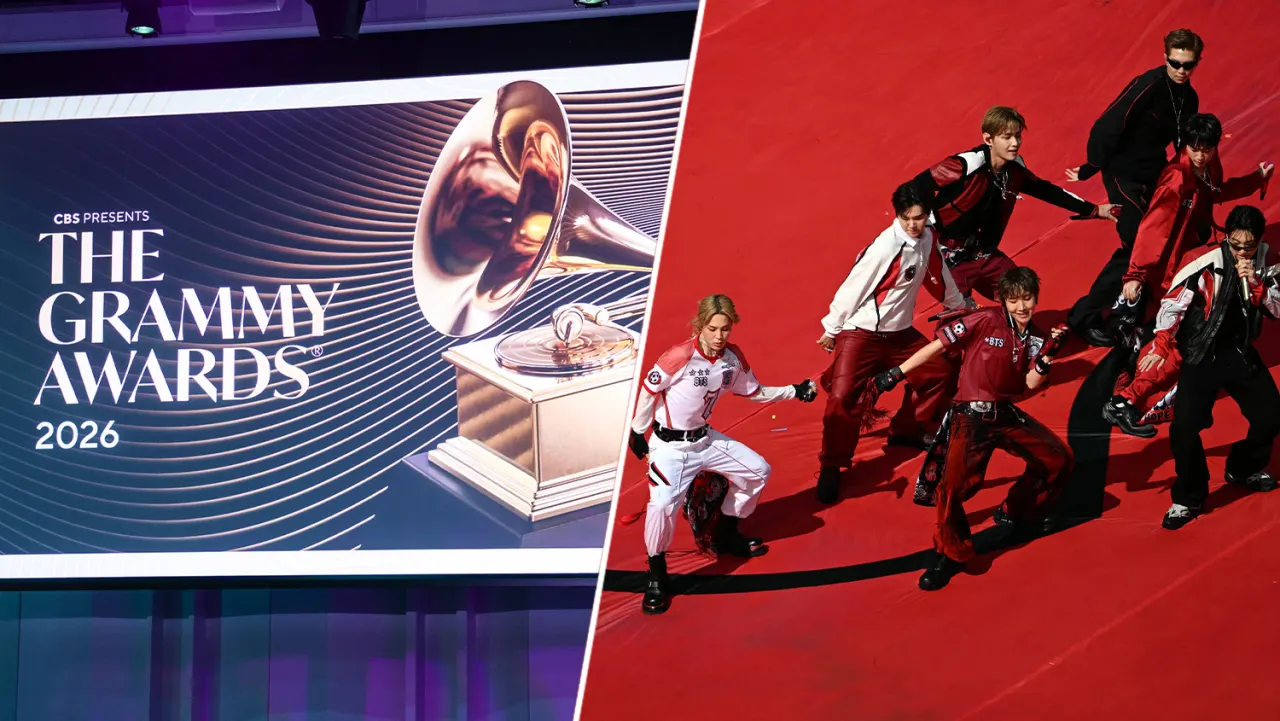
Grammy CEO Harvey Mason Jr said he was saddened but respected BTS’s decision to withdraw from consideration for the 69th Grammy Awards. The group’s move was seen as a protest against the new Best Asian Pop Music Performance category, which BTS said risked dividing music by region or language; Mason said the category was intended to broaden recognition, not segregate artists.
BTS’s seven members said they wanted their music to be heard and loved on its own terms. The Recording Academy says the category covers Asian-market pop performances, including K-pop, J-pop and C-pop, using Asian languages, while artists remain eligible for general awards such as Album, Record and Song of the Year; BTS released their 10th album, Arirang, in March after completing military service.
- Sources
- 2
- Outlets
- 2
- Left · Centre · Right
- 0 · 0 · 0
In short
- BTS withdrew from Grammy consideration over the new Asian Pop category.
- Grammy chief said the category expands recognition rather than divides artists.
- BTS can still be eligible for general awards if submitted.
How this story developed
- 3 months ago Mason published a fuller statement arguing that the award celebrates Asia’s varied pop output and followed the Academy’s introduction of five new categories.
- 3 months ago The group said all seven members wanted their music judged beyond regional or linguistic labels, while the Academy confirmed they could still enter major all-genre prizes.
- 3 months ago BTS withdrew from Grammy consideration in protest at the new Best Asian Pop Music Performance award, prompting chief executive Harvey Mason Jr to defend the category as inclusive.
Steelman: both sides, in good faith
The strongest fair case each way — we don't pick a winner.
The case for
Those sympathetic to BTS argue that an artist's wish to be judged purely on the merit of their music, without being routed into a region-specific box, is a legitimate and long-standing grievance shared by many non-Western musicians who have felt confined by categories like "World Music" in the past. They contend that however well-intentioned, a genre defined by geography rather than sound risks implying that Asian pop is a separate, lesser tier of achievement rather than pop music that competes on equal footing with its Western counterparts. For a group of BTS's global stature, opting out is framed as a principled stand for artistic recognition on universal terms rather than an accusation of bad faith against the Academy.
The case against
Those sympathetic to the Recording Academy argue that the new category was created precisely to address a historic lack of recognition, giving voice and visibility to a wider pool of Asian pop artists who might otherwise be overlooked entirely by predominantly Western voting bodies. They point out that inclusion in the category is optional and does not bar any act from competing in the general field categories such as Record or Album of the Year, meaning it adds opportunity without subtracting any existing recognition. From this view, expanding categories is a genuine attempt at inclusivity, and the Academy's disappointment reflects a wish that its efforts to broaden representation were not read as a diminishment of the artists they aim to honour.
Explained simply
BTS, the seven-member South Korean pop group, withdrew from this year's Grammy Awards after the Recording Academy introduced a new Best Asian Pop Music Performance category. The band said they wanted their music judged on its own merits rather than grouped by region or language, a stance that has stirred debate about how the awards industry recognises Asian artists.
The Recording Academy, which runs the Grammys, is led by chief executive Harvey Mason Jr. He has defended the new category as an addition meant to broaden recognition for pop artists from Asia, not to set them apart, and has noted that acts entered in it can still be considered for major all-genre awards such as Record, Album and Song of the Year.
The dispute follows a period of renewed activity for BTS, who released their tenth album after returning from South Korea's compulsory military service. It touches on a wider, long-running conversation in the music industry about how award shows categorise artists by genre, nationality or region, and whether such categories help or hinder recognition.
Coverage · 2 sources
Asia Business Companies Entertainment Music World
Read the full article at the source →
Originally published by Deadline as “Grammy CEO “Saddened” By BTS Withdrawal, Defends Asian Pop Category: “It’s Never To Divide””.