Greater Manchester mayoral results in full: Bev Craig secures dominant win over Reform in key by-election
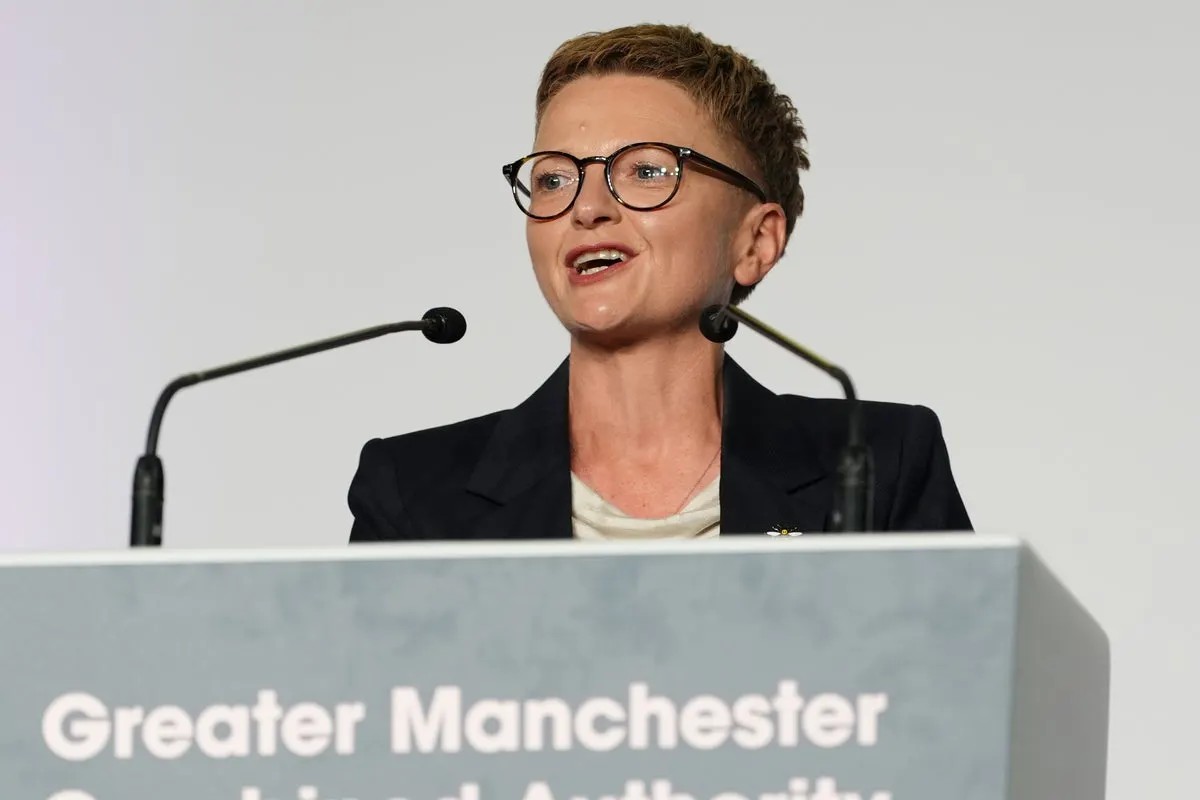
Bev Craig has been elected mayor of Greater Manchester, succeeding Andy Burnham after a comfortable Labour victory over Reform UK’s Sian Astley in a by-election. Her win preserves Labour’s control of one of England’s most influential devolved mayoralties, although it came amid historically low turnout and followed a second round of voting for the first time in the region’s mayoral elections.
Craig received 47.15 per cent in the first round, then won the run-off with 309,525 first- and second-preference votes to Astley’s 157,178. Turnout was roughly one in four eligible voters, below the previous low of 28.9 per cent in 2017, with election fatigue cited as a possible factor; the Greens failed to reach the run-off despite recent local gains, while Reform suffered its third electoral setback in Greater Manchester this year.
- Bev Craig won Greater Manchester’s mayoral by-election for Labour.
- The contest reached a second round for the first time.
- Turnout fell to a historic low of about 25 per cent.
Both sides, in good faith
The strongest fair case each way — we don't pick a winner.
The case for
Supporters of Labour’s result can reasonably argue that Craig secured a clear democratic endorsement, leading the first round and then winning the run-off by a substantial margin. They may see it as evidence that voters value continuity in Greater Manchester’s devolved leadership and Labour’s record in the region, while Reform’s repeated local defeats suggest its message has not yet translated into broad support there.
The case against
Critics can reasonably argue that the very low turnout limits how confidently any party can claim a strong popular mandate, since most eligible voters did not participate. They may also contend that a run-off decided partly through second preferences measures acceptability as well as first-choice enthusiasm, and that election fatigue or dissatisfaction with the available choices may have depressed participation rather than demonstrated firm support for the status quo.