Greece call up Konstas to help T20 World Cup bid
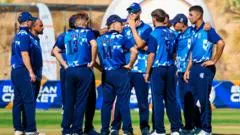
Greece have called up Billy Konstas, elder brother of Australia Test batter Sam Konstas, to their national squad as they launch a surprise bid to qualify for the 2028 men's T20 World Cup. The move highlights how smaller cricketing nations are increasingly turning to diaspora talent to boost their competitiveness, following a path similar to Italy's, which reached this year's T20 World Cup with an entirely Australian-born squad drawing on Italian heritage.
Billy, 24, plays grade cricket in Sydney and combines coaching with physiotherapy work; he features in Greece's 14-man squad for a European qualifying event in Finland from 14 to 21 August, alongside fellow Greek-Australian all-rounder Blake Faunce. The Hellenic Cricket Federation has also held talks with New South Wales cricketer Blake Nikitaras and Big Bash/Hundred player Peter Hatzoglou, though neither is currently expected to be available. Despite the Australian recruitment drive, officials say roughly two-thirds of the Finland squad were born in Greece, reflecting a cautious approach to blending diaspora talent with homegrown players from Greece's Corfu-centred cricket scene. Greece face group favourites Germany and a Portugal side featuring former Australia international Moises Henriques in their qualifying pool.
- Greece recruit Sam Konstas's brother Billy for T20 World Cup qualifying bid
- Squad for August's Finland qualifier is two-thirds Greek-born players
- Greece face favourites Germany and Portugal in their qualifying group
New here? Start with this
T20 is cricket's fastest format, with matches lasting around three hours compared to the five days of traditional Test cricket. The T20 World Cup is held every two years but only features a limited number of countries, so nations must qualify for their spot. Greece is attempting to qualify for the 2028 edition.
Smaller cricket nations have increasingly turned to recruiting players born overseas who have ancestral connections to the country, drawing on diaspora communities. These players often develop their skills in larger cricket nations but remain eligible to represent their heritage country. This allows smaller nations to compete with more established cricketing powers.
The strategy gained prominence when Italy used it successfully to reach this year's T20 World Cup with a squad made up entirely of players based in Australia. Greece is taking a more measured approach, blending domestically developed players with diaspora recruits. The team will compete in a European qualifying tournament in Finland to earn their place in the 2028 World Cup.
Both sides, in good faith
The strongest fair case each way — we don't pick a winner.
The case for
Diaspora recruitment represents pragmatic inclusion for smaller cricket nations with limited domestic talent pools. Players of genuine heritage deserve the opportunity to represent their ancestral homeland, and this approach remains measured—Greece maintains roughly two-thirds homegrown players whilst building competitiveness. Italy's recent T20 World Cup success demonstrates the model's viability, and it allows nations to participate meaningfully in international cricket whilst celebrating cultural diversity and expanding the sport beyond traditional strongholds.
The case against
Diaspora recruitment raises fundamental questions about what national representation means in sport. If teams become substantially composed of foreign-born players selecting heritage nations late in their careers, it risks diluting the principle of national cricket development. This approach may discourage grassroots investment—why develop local talent when established players can be recruited from wealthy nations? It also risks turning qualifying into talent shopping rather than genuine national team cricket, potentially disadvantaging locally-rooted players without the right heritage connections and inflating participation without building sustainable cricket infrastructure where it matters most.