Green New Dodge: El-Sayed runs from policy as newly surfaced deleted posts show years of support
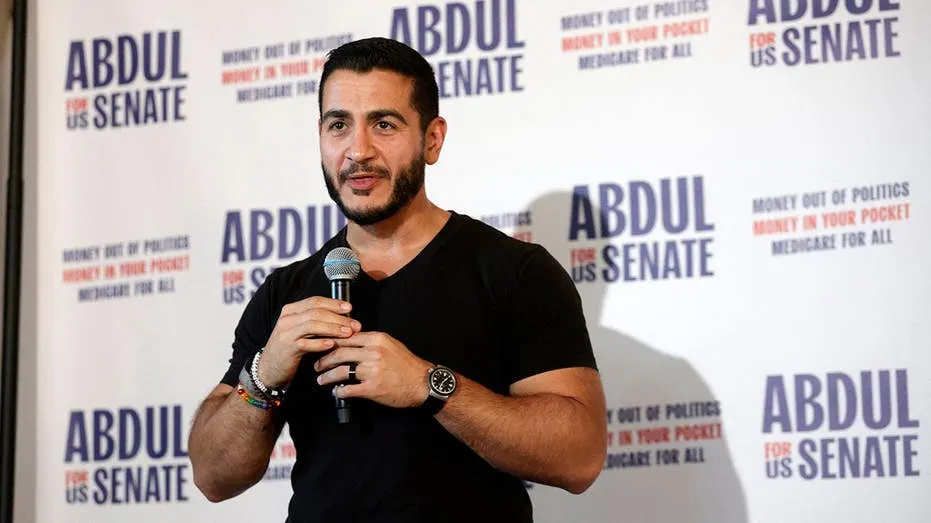
Michigan Democratic Senate nominee Abdul El-Sayed told Fox News host Jesse Watters that he would not defend the Green New Deal, marking a sharp break from years of publicly championing the progressive climate plan by name. When pressed on his record, El-Sayed steered the conversation towards cutting energy costs and creating Michigan jobs through renewables, rather than engaging with the policy directly. The shift matters because Michigan's Senate race is expected to be tightly contested and could help decide control of Congress, making El-Sayed's efforts to appear more moderate politically significant.
A Fox News Digital review of El-Sayed's deleted social media posts, preserved via the Internet Archive, found dozens of instances in which he explicitly backed the Green New Deal, including posts from 2019 declaring "I believe in a Green New Deal" and linking the policy to racial justice and free speech. Deleted posts and a hidden YouTube video also showed him endorsing "defund the police", describing police as "standing armies", proposing to replace the Second Amendment with a constitutional right to healthcare, and calling Border Patrol agents "white supremacists". Rep. Haley Stevens had previously criticised his Green New Deal support during the primary over potential job losses in Michigan's car industry, and CNN had earlier reported on his selective deletion of past online commentary.
- El-Sayed now refuses to defend the Green New Deal he long championed.
- Deleted posts show years of explicit support for the policy by name.
- Other scrubbed posts backed "defund the police" and criticised Border Patrol.
New here? Start with this
The Green New Deal is a proposed package of policies to cut greenhouse gas emissions and address economic and social issues. It became a prominent cause among progressive Democrats, but critics have questioned its potential effects on jobs and energy costs.
Abdul El-Sayed is a Michigan Democrat who won his party’s nomination for the US Senate. Michigan’s car industry and energy costs are important issues in the state, and the Senate race could affect which party controls Congress.
El-Sayed’s past statements have drawn scrutiny from political opponents, including fellow Democrat Haley Stevens, who raised concerns about the plan’s effects on car-industry jobs. The debate reflects a broader question in the race: how candidates’ earlier positions shape voters’ views of their current priorities.
Both sides, in good faith
The strongest fair case each way — we don't pick a winner.
The case for
Political candidates routinely refine their messaging as their thinking evolves and they respond to different constituencies. El-Sayed's move from broad Green New Deal support to concrete Michigan priorities—clean energy jobs and affordability—reflects legitimate policy development rather than dishonesty. Deleting old social media posts is standard; tailoring campaign messaging to swing-state voters by emphasising tangible climate benefits rather than national progressive frameworks represents thoughtful recalibration, not abandonment of environmental commitments.
The case against
The documented record shows explicit public support for the Green New Deal across multiple years, followed by systematic deletion of those posts and refusal to defend the policy whilst pursuing a competitive Senate seat. This pattern suggests opportunistic repositioning for swing-state voters rather than genuine evolution, raising serious questions about El-Sayed's authenticity and trustworthiness. The deliberate erasure of his previous statements compounds this concern; voters deserve transparency about whether he has abandoned views he previously championed.