Green Party Faces Antisemitism Row Over Israel Motion as Leader Defends ‘Principled Stance’
Developed over time first seen 11 hours ago
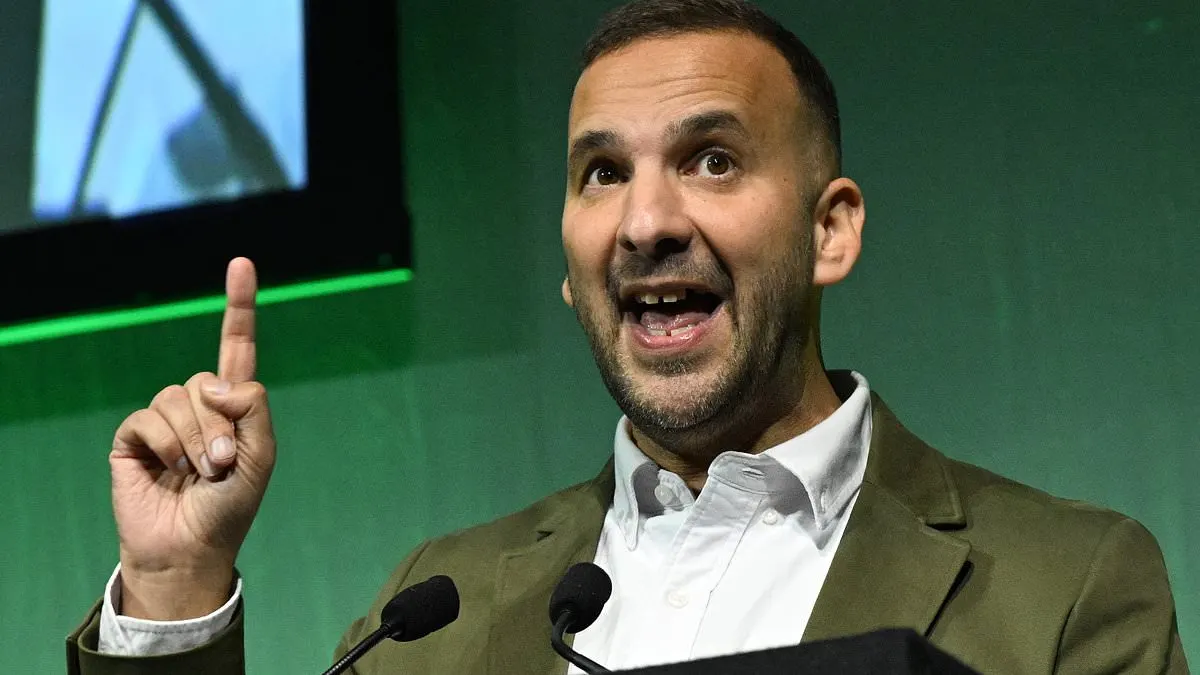
The Green Party has come under intense criticism after adopting a policy that defines Zionism as racism at its annual conference this weekend. The government's antisemitism tsar, Lord Mann, has condemned the move as going beyond anything attempted under Jeremy Corbyn's Labour leadership, warning it treats Jewish members in an "unprecedented" way since the Second World War.
The motion has drawn widespread condemnation from Chief Rabbi Ephraim Mirvis, who called it a threat to British Jews and Britain; the chair of Jewish Greens has considered leaving the party; and barrister Adam Wagner KC warned it could breach the Equality Act 2010. Party leader Zack Polanski, who did not vote on the motion, has been barred from entering Israel in retaliation and has defended his commitment to welcoming all members regardless of background or faith. The US has also said it will make representations to the UK government over the policy, and senior Labour figures have suggested political parties should refuse coalition arrangements with the Greens.
- Green Party adopts policy defining Zionism as racism; condemned as worse than Corbyn era.
- Chief Rabbi warns of threat to British Jews; Jewish Greens chair considers departure.
- Leader Polanski barred from Israel; Labour calls for parties to refuse coalitions.
New here? Start with this
The Green Party has approved a motion describing Zionism as racism and stating that the party is anti-Zionist. This has sparked accusations of antisemitism and raised questions about whether such statements represent antisemitism or legitimate political criticism.
Party leader Zack Polanski has defended the motion as reflecting the party's principles and committed to protecting both Jewish and Palestinian members' rights. Others have criticised the party leadership for not adequately addressing what they describe as hard-left influence behind the decision. The row has raised concerns about the party's relationship with its Jewish members.
The controversy reflects a broader tension in politics about how to discuss Israel-Palestine issues whilst maintaining support from Jewish communities. For the Green Party specifically, it raises questions about whether it can sustain that support whilst adopting this position on Zionism.
Both sides, in good faith
The strongest fair case each way — we don't pick a winner.
The case for
The Green Party defends this as principled opposition to what it characterises as colonial occupation, arguing that Zionism as an ideology can be substantively critiqued without constituting antisemitism, particularly when paired with commitment to protecting Jewish members' rights. Supporters note that many Jewish people themselves hold anti-Zionist views, and contend that failing to name what they see as foundational injustice would be morally compromised.
The case against
Critics contend that institutional declarations characterising an entire ideology as racist risk providing cover for antisemitism and alienating Jewish members despite stated protections. They argue that whilst Israeli policies warrant criticism, such blanket condemnations blur the distinction between policy disagreement and hostility toward Jewish self-determination—a distinction that matters given antisemitism's historical targeting of Jewish nationalism.
Full account
The Green Party of England and Wales is facing criticism after delegates at its Brighton conference backed a motion declaring that “Zionism is racism”. Critics say the motion’s reference to a single Palestinian state amounts to a rejection of Israel’s continued existence. A separate proposal intended to protect Jewish members who attend synagogues was defeated by 1,026 votes to 684, according to one of the supplied reports. The votes have prompted questions about whether Jewish members feel welcome and safe in the party, alongside a wider dispute over its position on Israel and Palestinian rights.
The controversy reached party leader Zack Polanski while he was campaigning in the Holborn and St Pancras by-election. One report sharply criticises his absence from Brighton during the votes and says organisers arranged a safe room for Jewish delegates. The other says he did not address the row directly for more than 24 hours, then issued a statement on Monday evening. It also reports clashes between Green activists and pro-Israel supporters outside the conference, complaints to the police and the UK’s equalities watchdog, and an expectation that a senior US adviser on antisemitism would raise the matter with the British Government. Those developments are described in the supplied reports; their outcomes are not established there.
In his statement, Polanski, who is Jewish, said the party must protect both Palestinians’ rights and Jewish communities in Britain. He argued that criticism of the Israeli state must be kept distinct from antisemitism, and said he would not tolerate excluding people because of their faith, background or place of worship. He also defended what he called the Greens’ principled stance on freedom and justice for Palestinians, pointing to pressure on the Government over its response to Israel’s actions in Gaza and trade with Israeli settlements. His comments sought to answer concerns about Jewish members’ treatment while maintaining the party’s support for Palestinian rights.
The dispute leaves the Greens facing two linked questions: what the conference motion means for the party’s policy on Israel and Palestine, and how its leadership will respond to Jewish members who say the debate affects their place in the party. The supplied accounts do not include the full text of either motion or a response from the delegates who backed the first and rejected the second. Polanski’s statement sets out his position, but it does not by itself resolve the disagreement over the motions or the concerns raised after the conference.
Where outlets differ
Source 1 is an openly hostile opinion piece. It portrays the votes as a decisive failure of Polanski’s leadership, emphasises his absence from Brighton, and reports the defeated proposal’s vote count and a safe room for Jewish delegates.
Source 2 concentrates on the backlash and Polanski’s subsequent response. It reports complaints to authorities, a possible US diplomatic intervention and his argument that support for Palestinians can coexist with protection for British Jews.
The reports do not provide the full wording of the conference motions. Source 2 attributes the claim that the first motion calls for Israel’s eradication to opponents; that interpretation should not be presented as an uncontested finding.
Coverage
- Daily Mail — DAN HODGES: History will record Zack Polanski as a coward and charlatan who led his once-decent party into political oblivion
- Daily Mail — Desperate Zack Polanski insists Greens have ‘principled’ stance on Palestine despite fury at ‘anti-Semitic’ motion declaring ‘Zionism is racism’