Green Party loses 20,000 members in backlash over Zionism vote
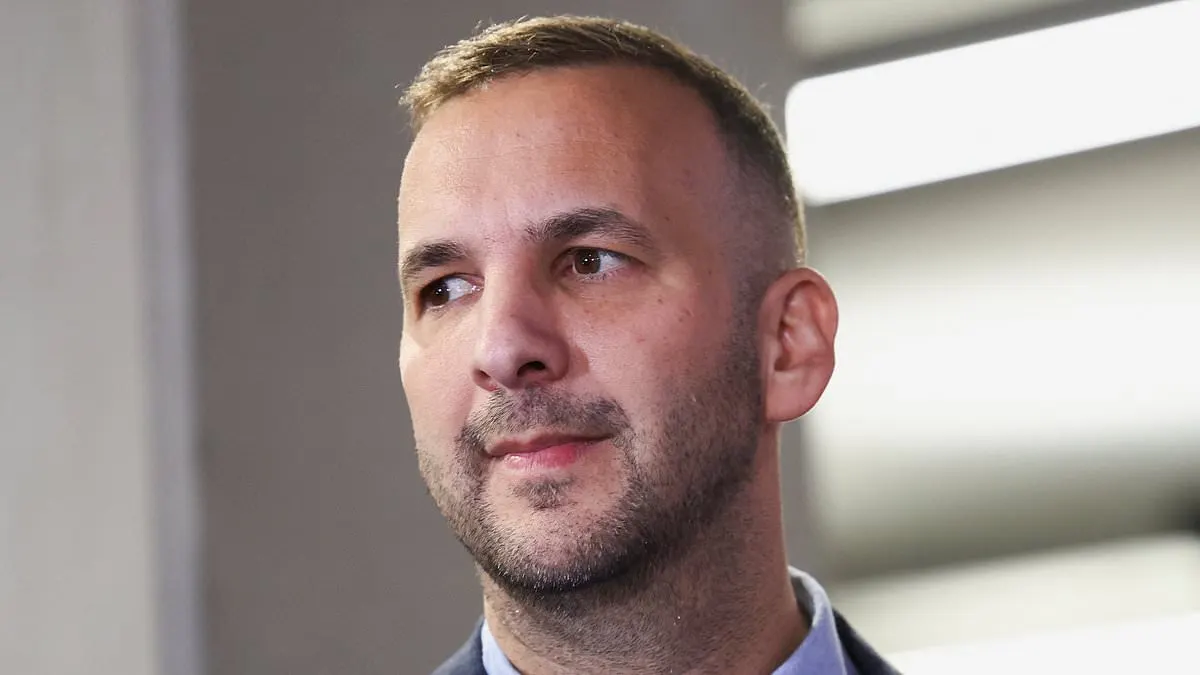
The Green Party has lost about 18,000 members since May amid a backlash over its conference vote declaring Zionism to be racism. The motion has intensified internal divisions, prompted councillor defections and coincided with a fall in the party’s polling, putting pressure on leader Zack Polanski.
The article says the motion was passed by 1,022 members, a small share of a membership then close to 200,000. Drew Creek, leader of the Greens on Cornwall Council, recently defected to Labour, joining at least ten other councillors who have left or become independents over the policy. Polanski said he would seek to amend it at the first opportunity; the party has also set up a working group to discuss its democratic processes.
In short
- About 18,000 members have left since May.
- Councillors are defecting over the Zionism motion.
- Polanski says he wants to amend the policy.
Steelman: both sides, in good faith
The strongest fair case each way — we don't pick a winner.
The case for
Supporters may argue that the vote reflects a legitimate criticism of Zionism as a political ideology and a commitment to opposing forms of nationalism they see as discriminatory. They could also say that a conference decision made through the party’s democratic process deserves serious consideration, even if it prompts internal disagreement.
The case against
Critics may argue that defining Zionism as racism unfairly treats a diverse range of beliefs, including Jewish aspirations for self-determination, as inherently racist. They may also see the vote as alienating members and councillors, deepening divisions and weakening the party’s ability to represent a broad membership.
Explained simply
The Green Party is a UK political party whose members help shape its policies at conferences. Zack Polanski leads the party, while elected councillors represent it on local councils.
Zionism is a movement supporting a homeland for Jewish people in the historic land of Israel; people use and understand the term in different ways. The party conference vote brought disagreement over how the party should discuss Zionism and racism, and some councillors have left or become independents over the policy.
The dispute matters because it has raised questions about how conference decisions reflect members’ views and how the party handles internal disagreement. Membership and polling are also measures of the party’s support, and changes in them can affect its political standing.
Art Culture Elections Middle East Politics World